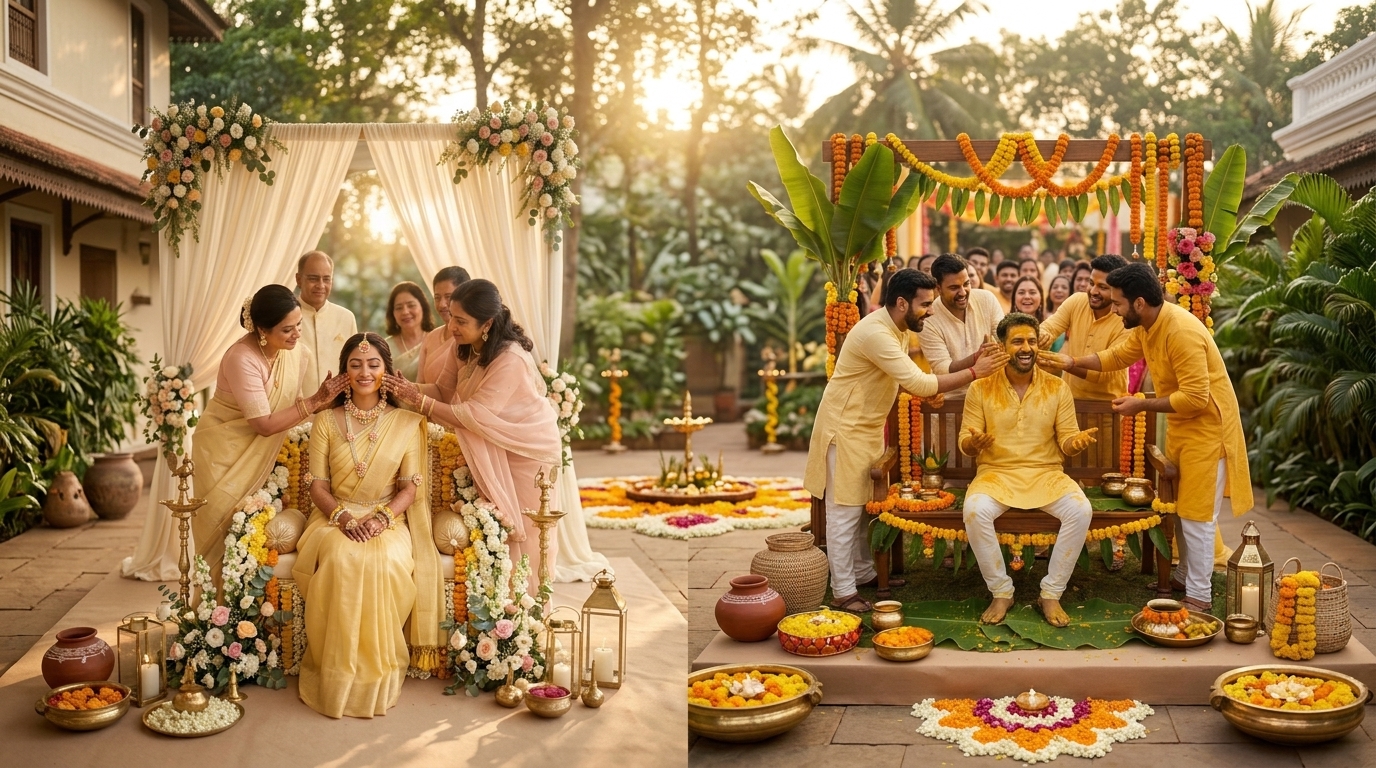
No heavy outfits, no formal seating charts — just turmeric paste, loud music, a lot of teasing, and that unmistakable golden glow on everyone’s face by the end of it. Here’s everything you need to know about this beloved pre-wedding ritual, from the tradition behind it to the décor that’ll keep your walls looking good long after the last splash of turmeric has landed.
More Than Just Turmeric
At its heart, Haldi is a beauty ritual dressed up as a celebration. A paste of turmeric — sometimes mixed with sandalwood, rosewater, or milk — gets applied to the bride and groom’s face, arms, and feet, bringing out a natural glow. In most Indian households, turmeric also carries deeper meaning: purity, protection, and good luck for the couple’s new chapter together.
How the Ritual Actually Plays Out
There’s no strict rulebook, but most Haldi functions follow a familiar rhythm. If you’re hosting at home, pick one corner and mentally write it off as “the Haldi zone” — it’ll save you a lot of scrubbing later.
1- Dress to Get Ruined
The couple wears cotton — something they don’t mind sacrificing. Turmeric stains fast and doesn’t come out easily.
2- Elders Go First
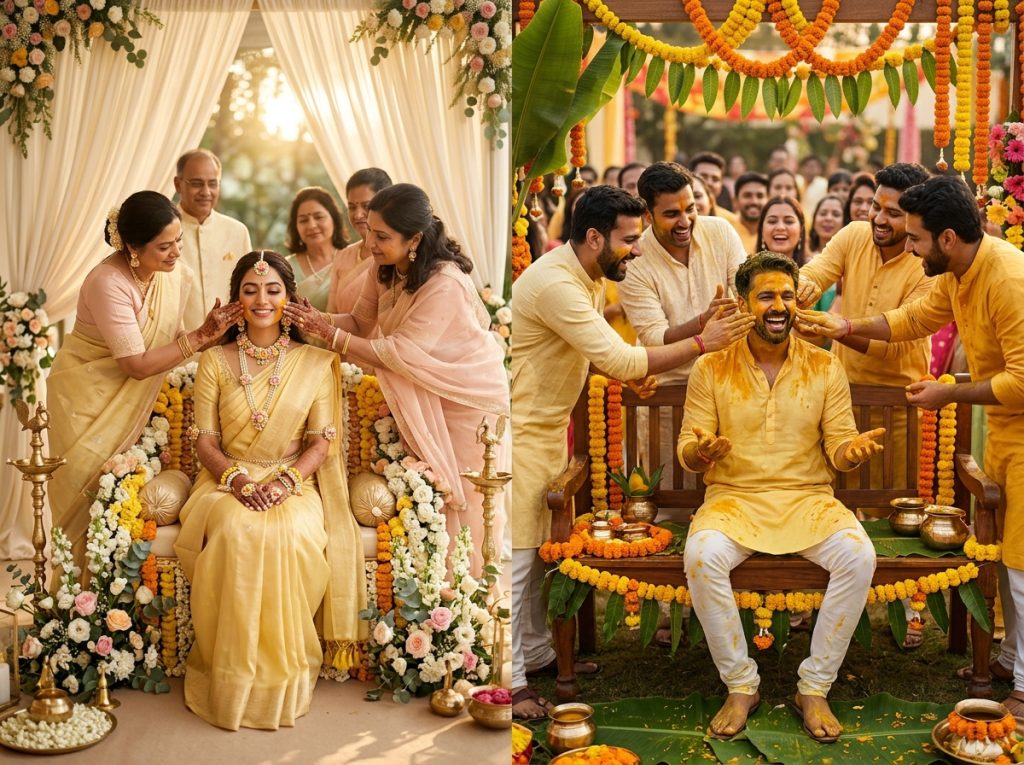
Grandparents and elders dab the paste gently as a blessing, setting a tender tone before the chaos begins.
The couple wears cotton — something they don’t mind sacrificing. Turmeric stains fast and doesn’t come out easily.
Grandparents and elders dab the paste gently as a blessing, setting a tender tone before the chaos begins.
3- The Free-for-All
Friends and younger cousins pile on with zero mercy. Some families slip in a short puja or aarti before things get messy.
4- Let It Set
Once it’s done, the couple sits tight and lets the turmeric do its thing. A fresh change of clothes should be ready nearby.
Bride’s Haldi vs Groom’s Haldi
Some families combine both into one big function. Others keep them separate — and the mood genuinely shifts depending on whose event it is.
The Bride’s Haldi
Softer and more intimate. Cushioned seating, gentle music, and photographers hovering for close-up shots of hands, jewellery, and that just-turmeric-kissed skin. Think delicate and dreamy.
The Groom’s Haldi
Usually louder and wilder. Dhol players going full throttle, friends dumping handfuls of paste with zero mercy, and group photos that look more like a festival than a ceremony.
Why Haldi Still Feels Fresh Today
What’s interesting about Haldi is how it’s managed to stay relevant without losing its roots. Modern couples are turning it into a proper event — marigold garden themes, boho-farmhouse setups, poolside yellow parties, even minimalist white-and-yellow aesthetics for the more understated crowd.
Choreographed Entries
A quick dance routine or a fun squad
entrance that gets everyone
laughing before the paste flies.
Matching Sunglasses
A playful touch for the whole squad
— practical in daylight and great for
photos.
Handwritten Notes
Little messages exchanged before
the chaos begins — sweet, personal,
and surprisingly memorable.
Building a Colour Palette That Actually Works
Yellow is non-negotiable, but too much of one shade can flatten the whole look. The trick is layering — one dominant colour, one supporting colour, and a neutral to hold it all together. Not every yellow behaves the same on camera: warmer, richer shades photograph better than neon or cool yellows.
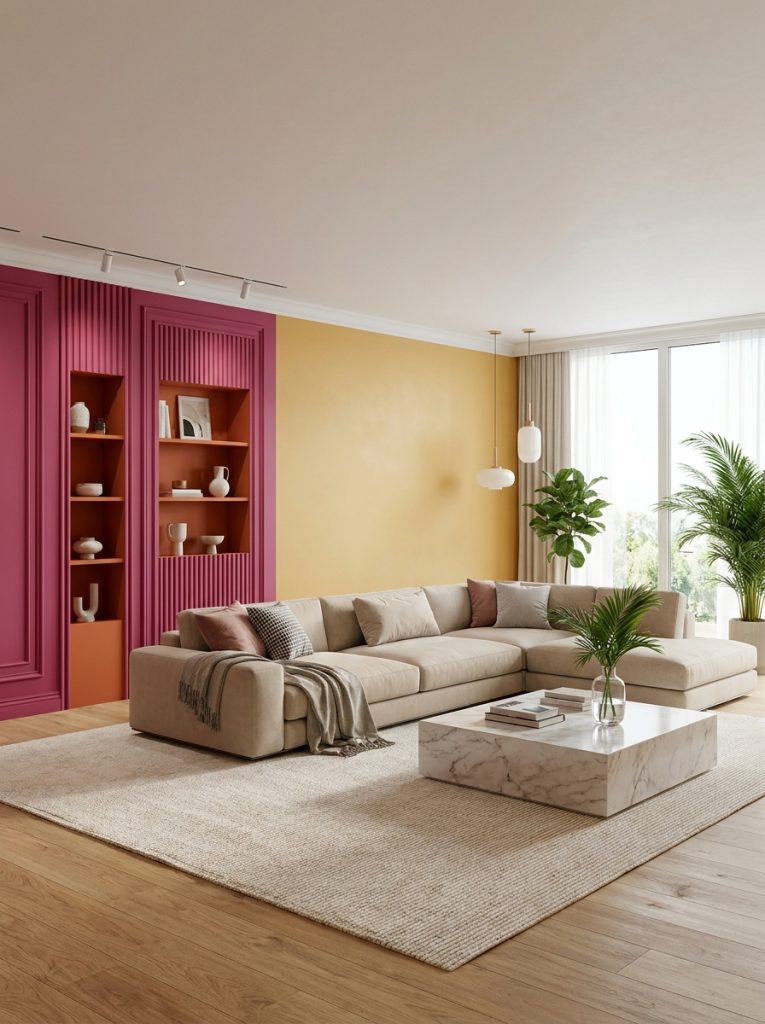
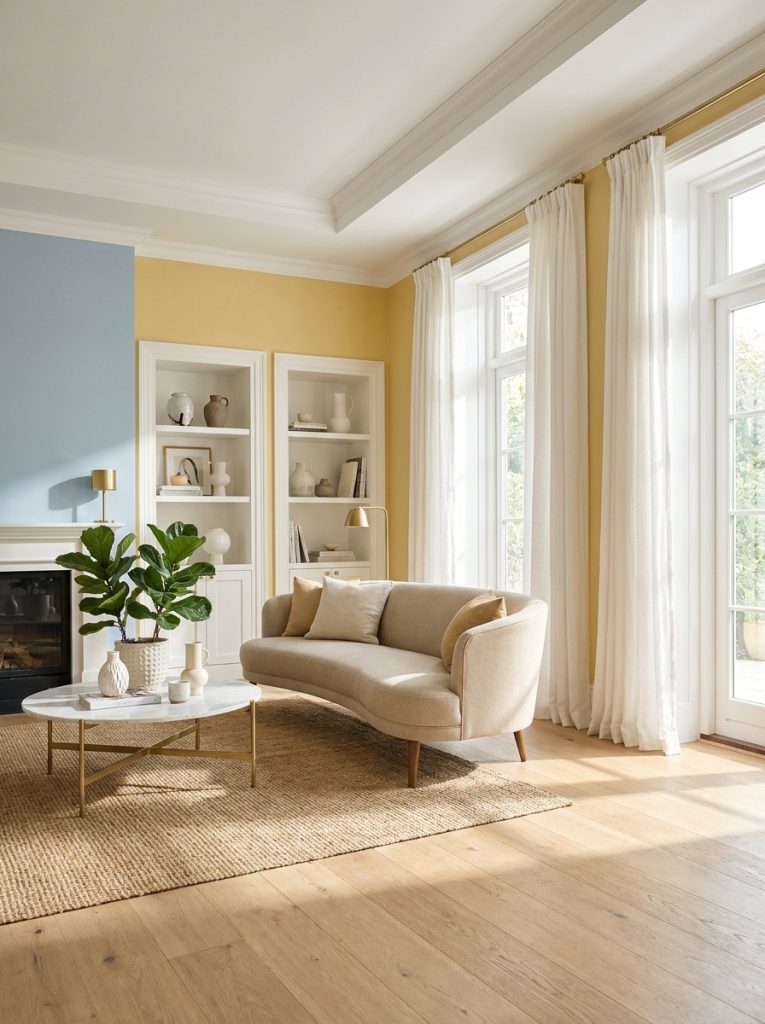
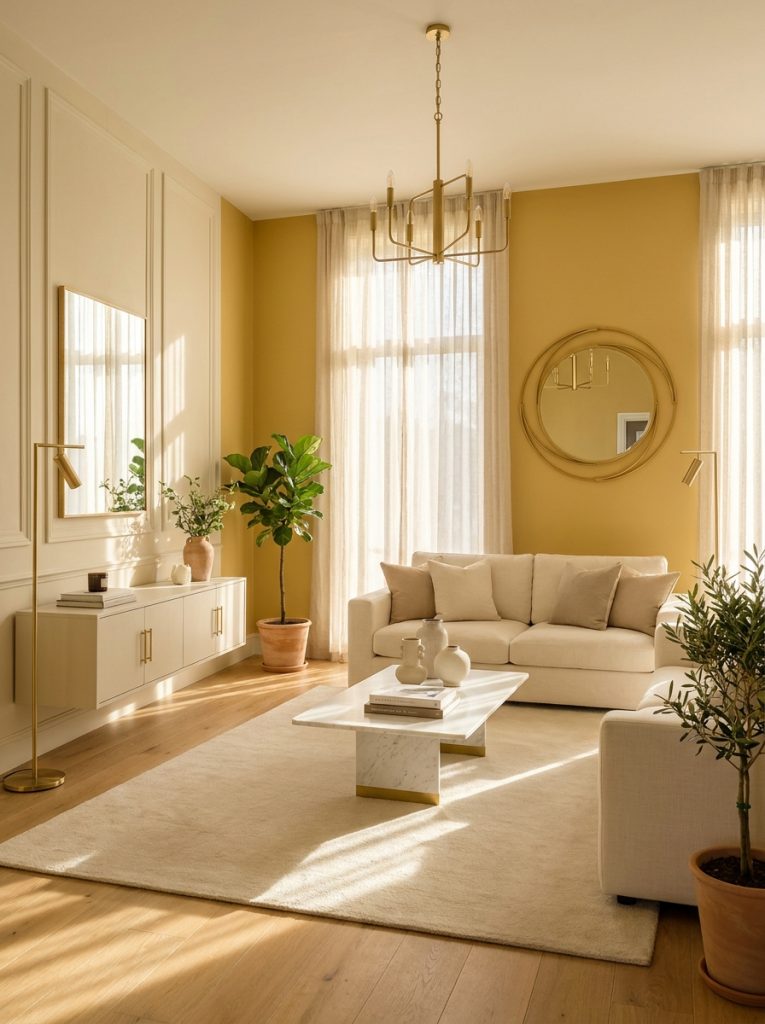
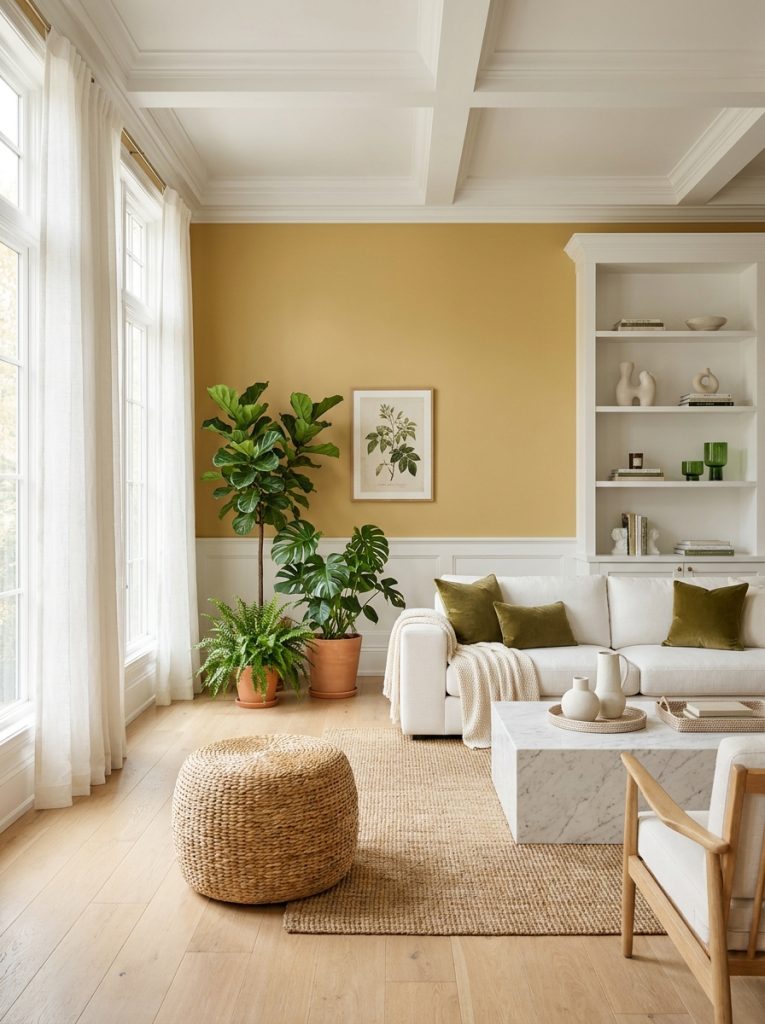
Go easy on metallics outdoors in daylight — too much shine bounces light awkwardly in photos. Mix textures (fabric, fresh flowers, painted panels) for contrast.
Decorating a Home Setup Without It Feeling Cramped;
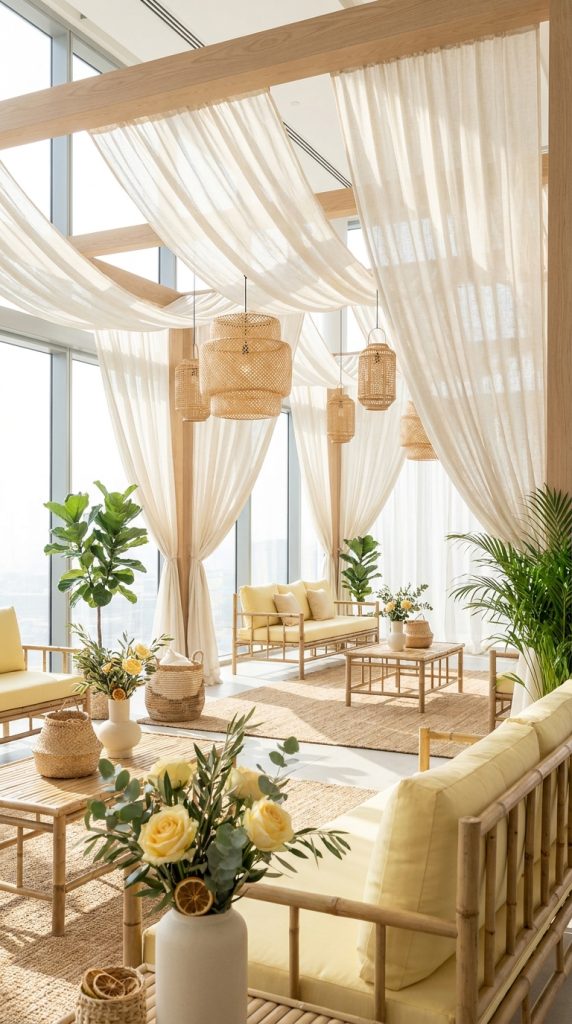
If you’re hosting in a smaller living room, resist the urge to go all yellow everywhere. Stick to a neutral base and let yellow show up through décor — drapes, garlands, cushions — so the room still feels open once the party’s in full swing.
- Ivory or off-white walls paired with yellow drapes and marigold
- strings
- One yellow feature wall behind the seating, keeping everything
- else neutral
- A hint of sage or pastel green for garden-like freshness
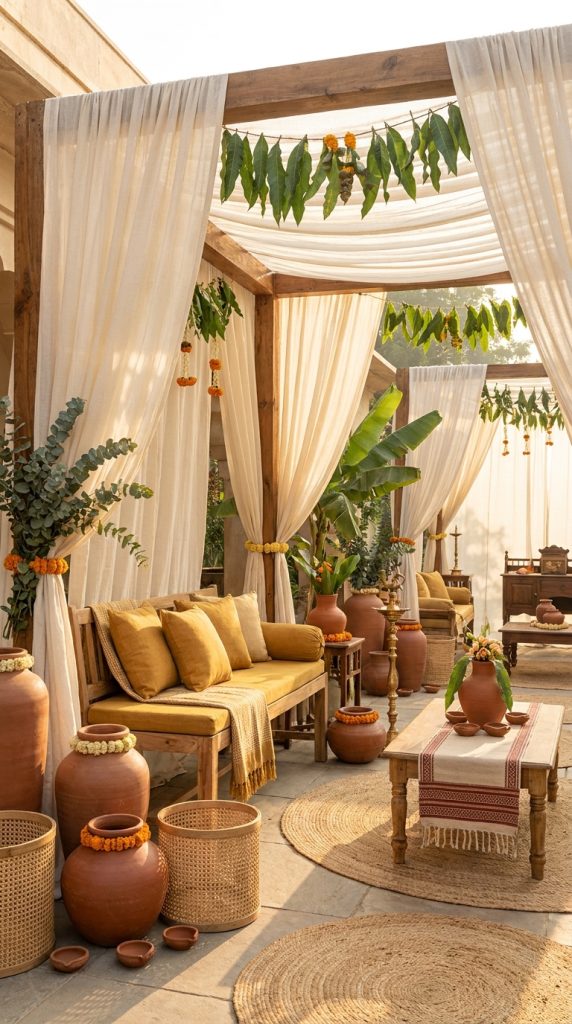
- Natural textures — wood, cane, jute — for warmth without clutter
Layering Colours, Flowers, Fabrics & Props .
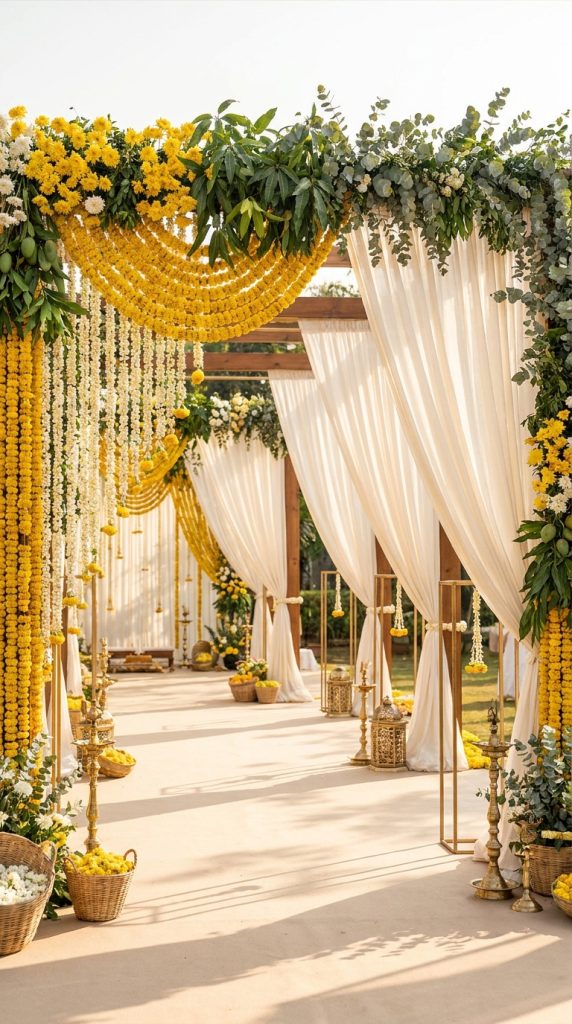
The best-looking Haldi corners feel put-together, not overcrowded. Start with your backdrop colour, then build up with flowers, then fabric, and finally props — in that order. Keep it simple: one dominant element, two supporting ones, and a small pop of contrast.
Quick FAQs
Best colour theme for Haldi?
A yellow-led palette balanced with white or ivory and touches of green. Add one accent — fuchsia or powder blue — for a stronger theme.
Which yellow paint shade works best?
Warm marigold and soft lemon tones photograph best. Always test the shade in your room’s actual lighting before committing.
How to build a Haldi backdrop on a budget?
A plain fabric base, a few marigold strings, and a couple of brass or clay props go a long way. Simple, layered drapes look far more expensive than they are.
Best materials for Haldi décor?
Cotton, fresh flowers, jute, cane, and clay — all read naturally in daylight and suit the overall vibe perfectly.