Roof Leakage Repair: A Monsoon Checklist for Kerala Homes
Find and fix roof leaks before the next heavy downpour.
Short answer: Fix a roof leak by finding the entry point, cleaning and repairing cracks, then waterproofing the surface. Inspect the terrace for cracks, pooling water, and failed joints. Patch cracks with cement repair mortar, then coat the whole roof with an elastomeric waterproofer like Damp Shield that flexes with concrete and bridges cracks. Where a leak has already dampened interior walls, seal them with Aqua Seal. Do this in the dry season with 48 to 72 hours of dry weather so the coating cures fully and stops leaks for years.
How do you find where a roof is leaking?
Roof leaks are sneaky because water travels along the slab before it drips inside, so the wet patch on your ceiling is often not directly under the entry point. Start on the roof itself. Look for cracks in the concrete, gaps around pipes and drain outlets, failed joints where the parapet wall meets the slab, and low spots where water pools instead of draining. These are the usual entry points.
Inside, note exactly where the ceiling stains or drips appear, then look on the roof uphill from that spot, since water runs downslope before dropping through. Check around any rooftop structure: water tanks, pipe penetrations, and staircase blocks are common culprits. Marking every suspect area before you start repairs saves you from sealing one crack while missing the real source.
What should be on a monsoon roof checklist?
Run through this checklist before every monsoon and after any major storm:
| Check | What to look for | Action |
|---|---|---|
| Surface cracks | Hairline to wide cracks in the slab | Patch with cement repair mortar |
| Pooling water | Low spots that hold water after rain | Level and coat, improve drainage |
| Drain outlets | Blocked or cracked rainwater outlets | Clear debris, seal edges |
| Parapet joints | Gaps where wall meets roof slab | Seal and coat with waterproofer |
| Pipe penetrations | Gaps around pipes and fittings | Seal with flexible waterproof coat |
| Old coating | Peeling, chalking, or blistered coating | Remove and recoat |
Clear the drains first. A blocked outlet causes water to pool and find every weakness in the slab, and it is the single most common cause of monsoon leaks in Kerala flat roofs.
How do you repair and waterproof the roof?
Once you have found and marked the problems, clean the roof thoroughly. Pressure wash off dirt, algae, and any loose or failing old coating. Patch all cracks and gaps with cement repair mortar and let them cure fully. The surface must be clean and dry before you waterproof.
Apply Damp Shield, an elastomeric fibre-tech waterproof coating, over the whole roof surface, not just the patched areas. Coating the entire slab creates a continuous barrier and its flexibility bridges the small cracks that reopen as concrete expands in the heat. Apply in two coats, letting the first dry, and give the coating 48 to 72 hours of dry weather to cure. Damp Shield carries a 7 Year Warranty. For the wider damp-proofing picture, see our terrace waterproofing guide.
How do you keep the roof leak-free long term?
Waterproofing lasts far longer when water is not left standing on the slab. Make sure the roof drains freely: keep outlets clear, and where low spots collect water, level them so rain runs off instead of pooling. Standing water is what eventually forces its way through any coating, so good drainage is the cheapest insurance you have.
Where a leak has already pushed damp into the ceiling or the walls below, treat the inside too. Once the roof is sealed and the wall has dried, apply Aqua Seal to the affected interior surface. Its Nano-Polymer barrier stops residual moisture and salt from lifting your paint while the structure fully dries out. Inspect the roof before every monsoon, recoat crack-prone areas as needed, and you will avoid the ceiling damage and repainting that a neglected leak causes. Our guide on stopping wall dampness before the monsoon covers the interior side in detail.
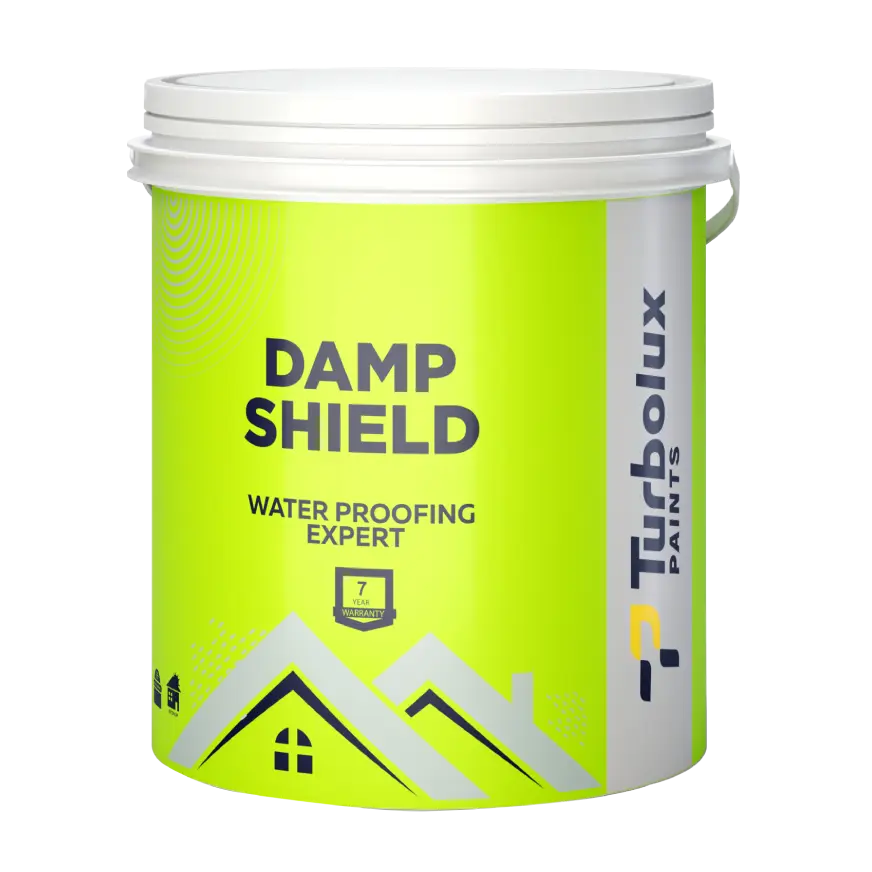
Elastomeric fibre-tech waterproof coating for roofs and terraces, 7 Year Warranty.
7 Year WarrantyView Damp Shield →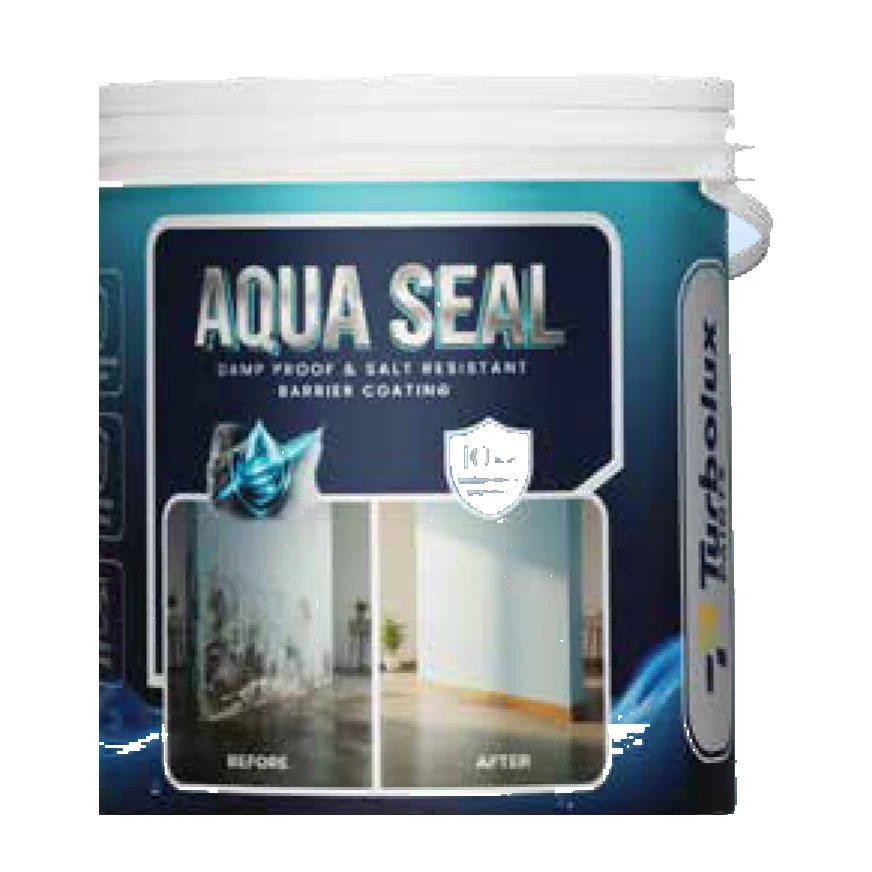
Nano-Polymer damp-proof and salt-resistant barrier coating, 10 Year Warranty.
10 Year WarrantyView Aqua Seal →Frequently asked questions
Why is my ceiling leaking away from where the roof crack is?
Because water runs along the slab before it drips through. The interior stain appears at the lowest point water reaches, not directly under the entry. Always inspect the roof uphill from the interior stain and around pipes, drains, and parapet joints to find the true source.
Can I fix a roof leak during the monsoon?
Only temporarily. Proper waterproofing needs a clean, dry surface and 48 to 72 hours of dry weather to cure. During the monsoon you can manage the leak with temporary measures, but plan full repair and Damp Shield coating for the dry season, ideally before June.
Do I need to coat the whole roof or just the crack?
Coat the whole roof. Sealing only the visible crack leaves the rest of the slab vulnerable, and new cracks open elsewhere. A full elastomeric coat like Damp Shield creates a continuous barrier and flexes with the concrete, which prevents future leaks.
My roof leak has stained the bedroom ceiling. How do I fix the inside?
First stop the leak and waterproof the roof, then let the ceiling and wall dry fully. Once dry, apply Aqua Seal to the affected interior surface to block residual moisture and salt, and repaint. Treating the inside before the roof is fixed will only fail again.
How often should I check my roof for leaks?
Inspect before every monsoon and after any major storm. Clear drains, look for new cracks and pooling, and check old coating for peeling. Catching problems early, in the dry season, means cheaper repairs and no ceiling damage during the rains.
Stop roof leaks before the rains
Inspect, repair, and waterproof with Damp Shield, then seal any damp interior walls with Aqua Seal. Keep your ceilings dry all monsoon.
Find your Turbolux paint →Made in Kerala for Kerala’s climate.

Turbolux Paints
July 18th, 2026