Transform your Kerala home’s interiors with lasting color and protection.
Short answer: Interior wall painting in Kerala requires careful surface prep, moisture management, and product selection. Use Interior Primer as your base coat, then apply washable emulsions like Dew for living areas. Ceilings need dedicated white paint like Ultra Ceiling White to hide imperfections and resist moisture. In bathrooms and kitchens, choose moisture-resistant emulsions and ensure ventilation is working before painting. Proper prep takes 40 percent of your time but ensures paint lasts 5 to 7 years without peeling or staining.
How do you paint different rooms in a Kerala home?
Kerala’s humid climate means each room needs different treatment. Bedrooms and living areas can use standard washable interior emulsions like Dew, which are easy to clean and create a soft matte finish that hides minor wall imperfections. Dew has GLATT technology, a silky smooth finish that feels pleasant and resists fingerprints better than flat paints.
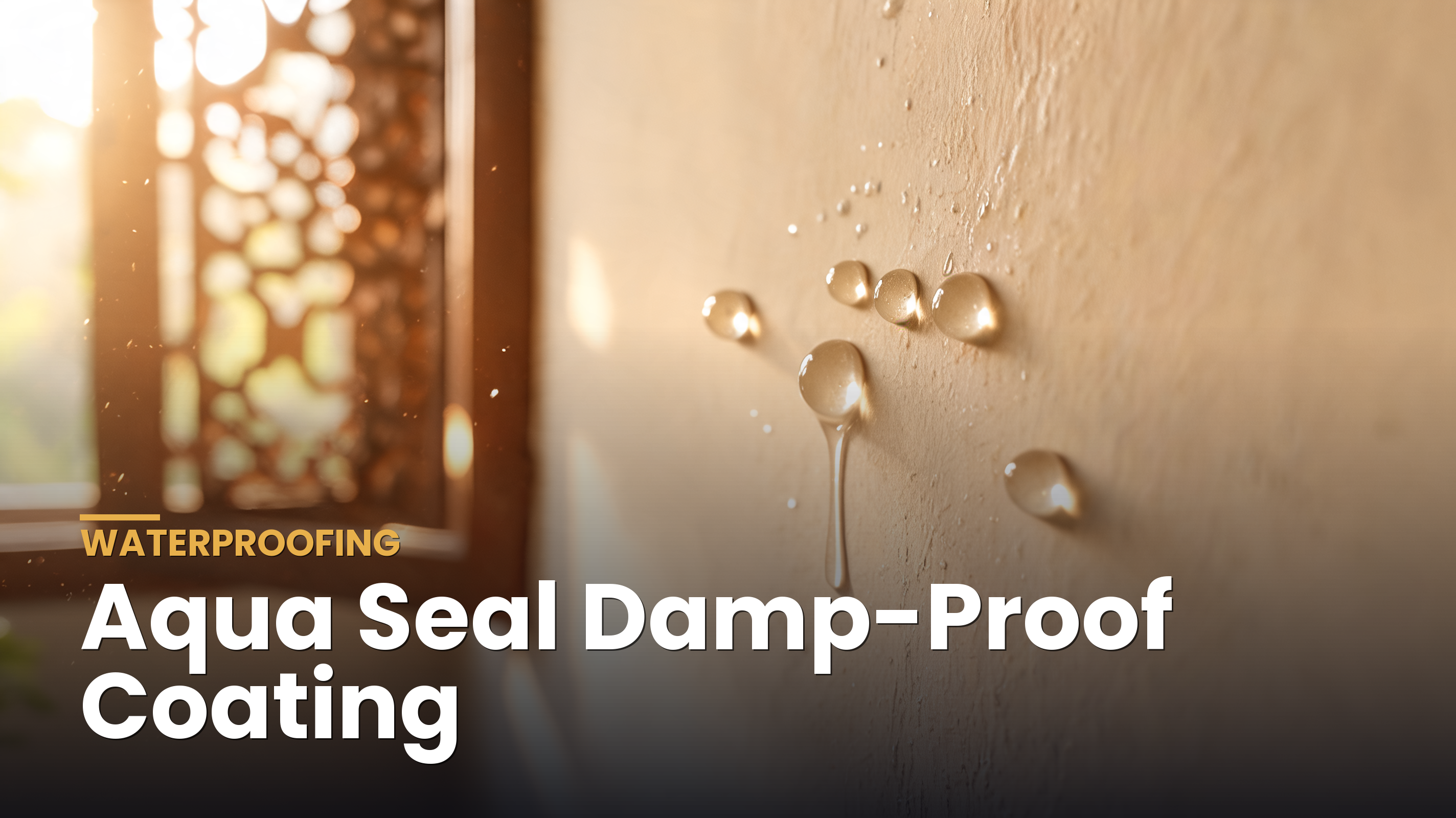
Bathrooms and kitchens are high-moisture zones and need special attention. Before painting, ensure your exhaust fan or window ventilation is working properly. Apply a moisture-resistant emulsion or an anti-damp primer like Aqua Seal before your final coat. Many painters skip this step and then wonder why the paint bubbles or peels within months.
Ceilings are often forgotten but deserve their own paint. Ordinary wall emulsion applied to ceilings can sag, drip, and show stains from moisture or minor leaks. Turbolux Ultra Ceiling White is formulated to stay opaque and not run, and it actively hides the shadowy water stains and minor imperfections that plague older Kerala homes. Use it on all ceilings, even in living areas.
What are the surface prep steps before painting?
Surface prep is the difference between paint that lasts 7 years and paint that peels in 2 years. Start by inspecting the wall for dampness, mould, or salt efflorescence (white chalky patches). If you find mould, wash the area with a bleach solution and allow it to dry completely. Do not paint over mould; the paint will bubble and peel.
Fill all hairline cracks and gaps with a flexible filler or wall putty. Once dry, sand smooth. Wash the entire wall with a damp cloth to remove dust, cobwebs, and loose plaster. Allow at least 48 hours of dry time before priming if the wall was damp.
Apply Interior Primer as a single coat over all walls. Primer improves adhesion, seals minor cracks, and ensures uniform coverage of your top coat. Cheaper emulsions applied without primer often show through or require three coats to look even. A good primer on a well-prepped wall means you only need two coats of emulsion.
| Step | Purpose | Time | Product |
|---|---|---|---|
| 1. Inspect & Clean | Remove mould, loose plaster, dust, and cobwebs | 2 to 4 hours | Water, cloth, bleach if needed |
| 2. Fill Cracks | Smooth wall putty into gaps and hairlines | 4 to 8 hours plus drying | Wall Putty |
| 3. Prime | Seal surface and improve paint adhesion | 4 hours plus drying | Interior Primer |
| 4. Paint Top Coat | Apply final color and washability | 4 to 8 hours per coat, 2 coats needed | Dew or emulsion for the room |
What is the difference between interior emulsion and ceiling paint?
Interior emulsions like Dew are formulated for vertical walls. They flow smoothly, dry to a satin or matte finish, and resist scuffing and staining because they are washable. Dew in particular uses GLATT technology, a silky formulation that provides a smooth tactile finish.
Ceiling paints are thicker and do not sag or drip. They are formulated to maintain opacity even when applied overhead, and they hide stains and minor imperfections better than wall paint. Ultra Ceiling White is bright and crisp, covering old yellowed ceilings in one to two coats. Use ceiling paint only on ceilings; wall paint applied to ceilings will run or sag.
How do you manage moisture in Kerala interiors?
Kerala’s humidity averages 80 percent, and during monsoon it climbs higher. Paint failure is often a moisture problem, not a paint problem. If a wall is damp to the touch, painting over it will cause peeling within weeks. Dry all walls completely before priming. If a room smells musty, run the exhaust fan or open windows for at least 24 hours before and during painting.
For permanently damp areas like the interior side of exterior walls or bathrooms with poor ventilation, apply Aqua Seal as an undercoat before your Interior Primer. Aqua Seal is a damp-proof barrier that stops moisture from wicking through the wall and lifting the paint. Yes, it adds cost, but it prevents a complete repaint job within two years.
After painting, continue to manage humidity. Ensure bathrooms have exhaust fans vented outdoors, not recirculating into the ceiling space. Open windows during dry hours to bring in cooler outside air. If your home has an air conditioner, it also dehumidifies the air and helps paint cure faster.
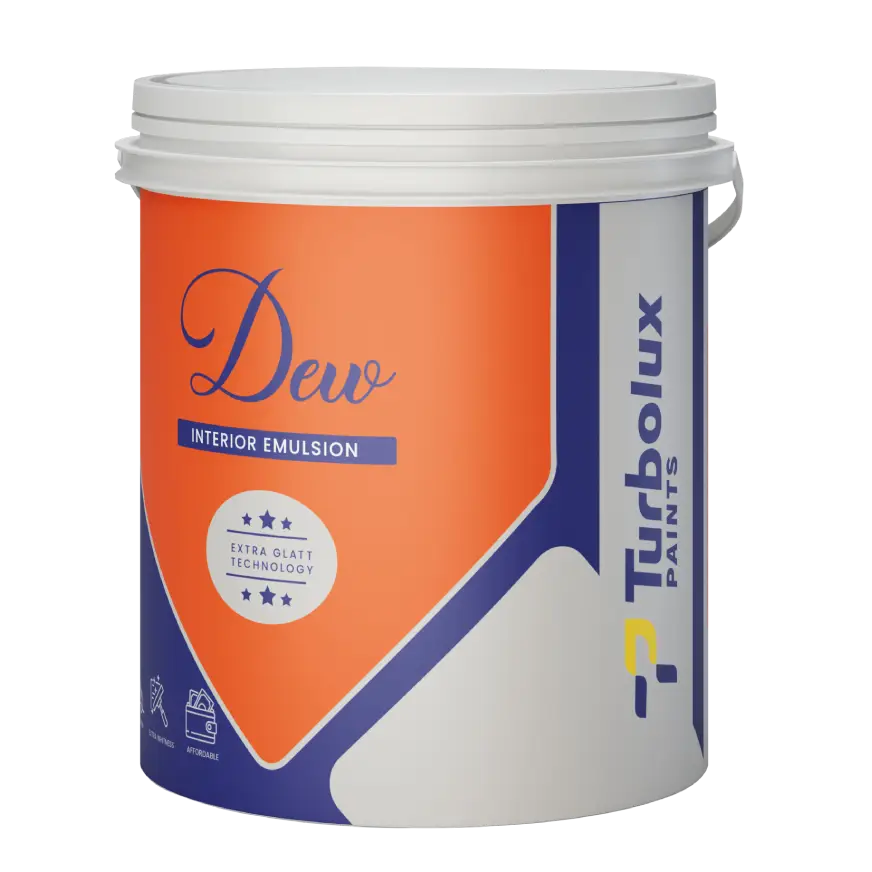
Smooth, washable interior emulsion with GLATT technology for Kerala homes.
Silky Matte FinishView Dew →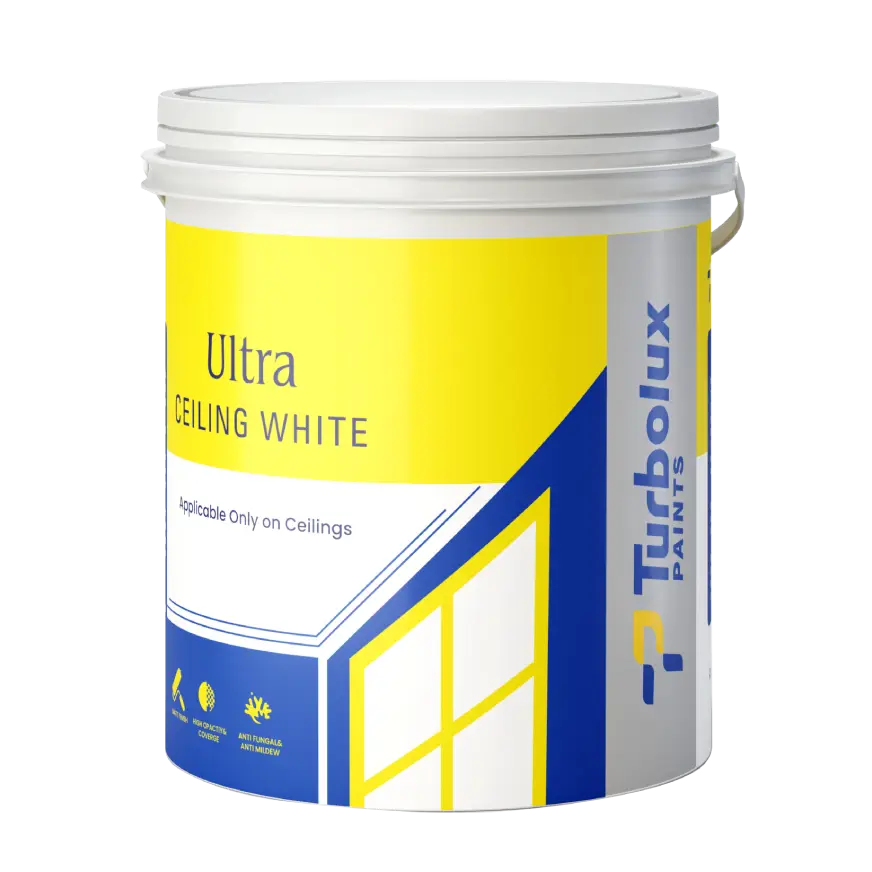
Dedicated ceiling paint that hides imperfections and resists moisture.
Green AssuredView Ultra Ceiling White →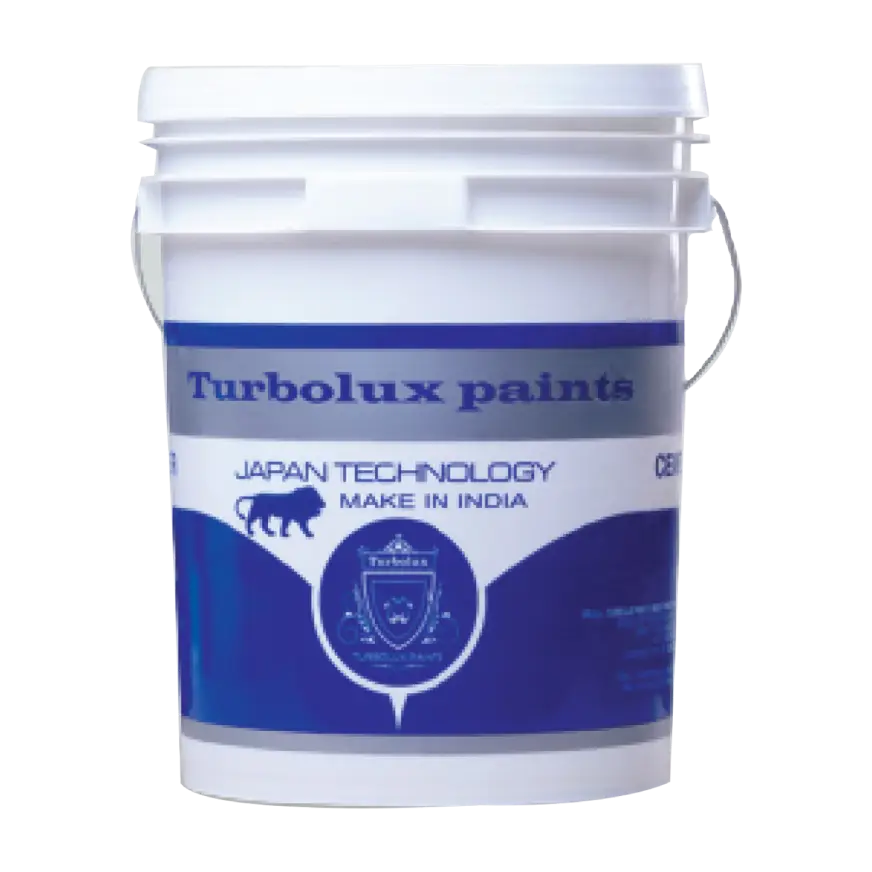
Water-based undercoat that improves adhesion and coverage on all walls.
Water-Based UndercoatView Interior Primer →Frequently asked questions
Do I really need to use Interior Primer?
Yes. A good primer improves adhesion, seals minor imperfections, and ensures your emulsion provides uniform coverage. Without primer, you often need three coats of emulsion instead of two. The cost and time saved by skipping primer are false economies. Interior Primer typically costs less than the extra emulsion you would need.
Can you use exterior emulsion inside Kerala homes?
Exterior emulsions are thicker and often contain antimicrobial agents that can off-gas indoors. They are formulated for harsh UV and rain exposure, not indoor air quality. Use interior emulsions like Dew, which are optimised for washability and indoor safety. Exterior paint indoors smells stronger and may cause respiratory irritation.
How long does interior paint last in a Kerala home?
With proper prep and moisture control, interior paint lasts 5 to 7 years. In high-moisture areas like bathrooms without exhaust fans, it may fail within 2 to 3 years. Sunfacing walls in living areas may fade or chalk after 5 years due to indirect UV from windows. Repainting a single room is easy; budget for ceilings and high-traffic areas first.
Is matte or glossy finish better for Kerala interiors?
Matte finishes like Dew hide imperfections better and create a sophisticated look, but they are slightly harder to clean. Glossy finishes are highly washable but show every dust particle and wall imperfection. For living rooms and bedrooms, matte is preferred. For bathrooms and kitchens, a satin or semi-gloss finish is more practical. Turbolux Dew is a silky matte that strikes a good balance.
What causes paint bubbles and peeling in bathrooms?
The most common cause is moisture from the bathroom reaching the paint before it is fully cured, or moisture wicking through the wall after painting. Ensure your exhaust fan runs during and for 30 minutes after showers. Do not paint a damp bathroom. If peeling happens repeatedly, apply Aqua Seal as an undercoat to create a damp-proof barrier, then use Interior Primer before your top coat.
Paint your Kerala home with confidence
Interior walls painted with the right prep, primer, and emulsion last longer and look better. Turbolux Dew, Interior Primer, and Ultra Ceiling White are designed for Kerala’s humid climate.
Find your Turbolux paint →Made in Kerala for Kerala’s climate.