Seal walls before the monsoon arrives in June.
Short answer: Stop damp and seepage by waterproofing the exterior with Damp Shield, applying Aqua Seal to interior walls before painting, and using Super Seal Fibre Primer as your emulsion undercoat. Aqua Seal blocks capillary moisture rise from soil. Super Seal prevents water already in the wall from lifting your paint. Damp Shield seals the roof and terrace where rain enters. Done together before May, these three products eliminate 95 percent of indoor dampness without major replastering.
How does water enter walls in Kerala homes?
Water enters Kerala walls through three routes. First, rain driven sideways by monsoon winds hits exterior walls and seeps through cracks or mortar joints. This is the most visible type and typically shows as dark patches on interior walls within hours of rain. Second, moisture rises from damp soil through the foundation and lower walls via capillary action. This appears as a line of damp running horizontally up the bedroom or living room wall, often appearing as white salt bloom (efflorescence) above the damp line. Third, condensation forms on interior walls when warm indoor air meets cold exterior walls during rain, creating surface dampness that allows mould to grow.
The solution requires stopping water at all three entry points. Exterior waterproofing (Damp Shield) stops wind-driven rain. Interior damp-proof barriers (Aqua Seal) stop capillary rise. Waterproof primers (Super Seal) prevent water already in the wall from lifting paint and allow the wall to dry slowly.
What is the three-product waterproofing system?
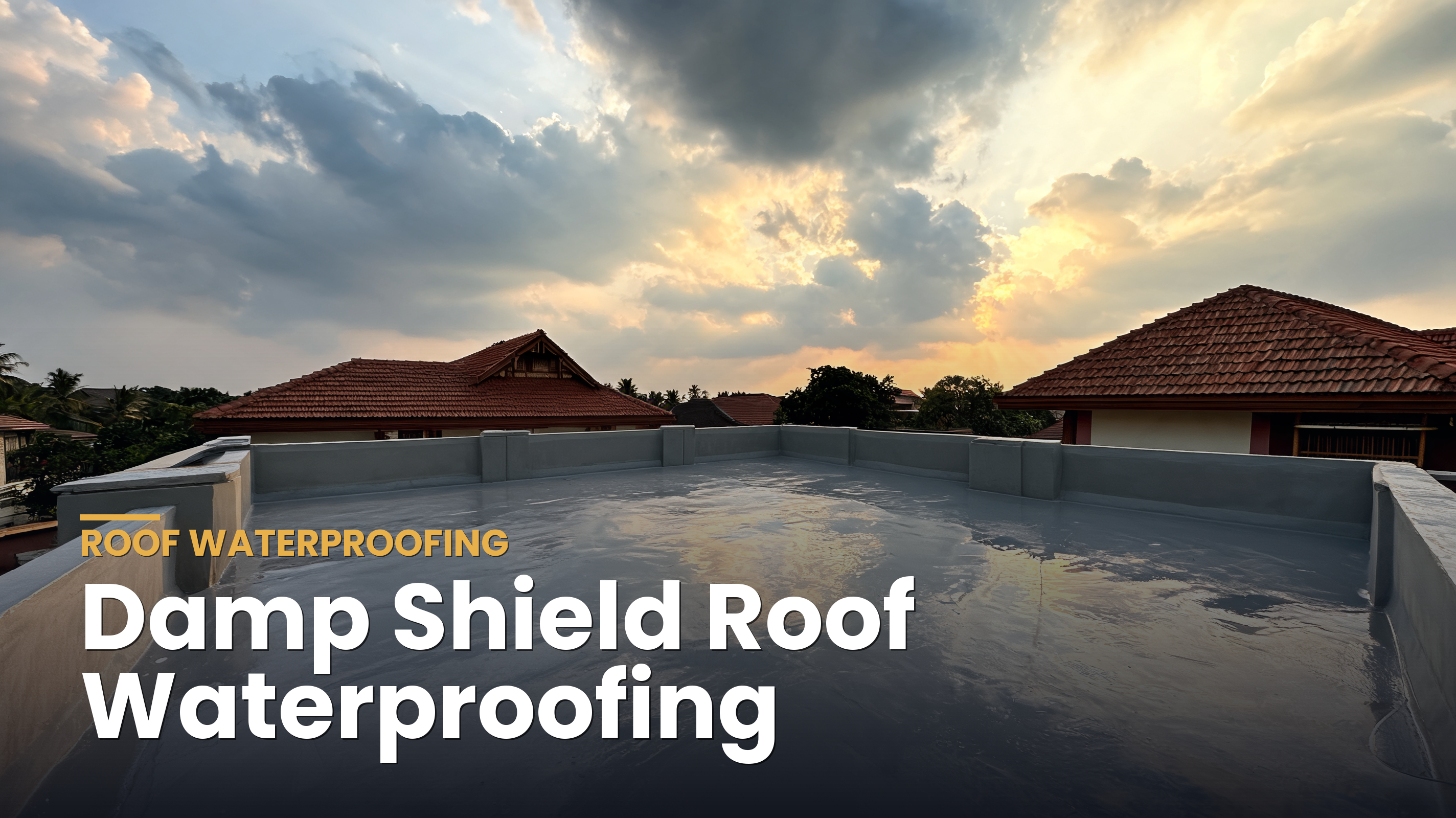
Layer 1 is Damp Shield, an elastomeric waterproof coating applied to the exterior of your roof and terrace. It flexes with concrete expansion and does not crack like rigid cement coatings. Apply Damp Shield to all exposed roof areas and parapet walls before the monsoon. One to two coats provide 5 to 7 years of protection.
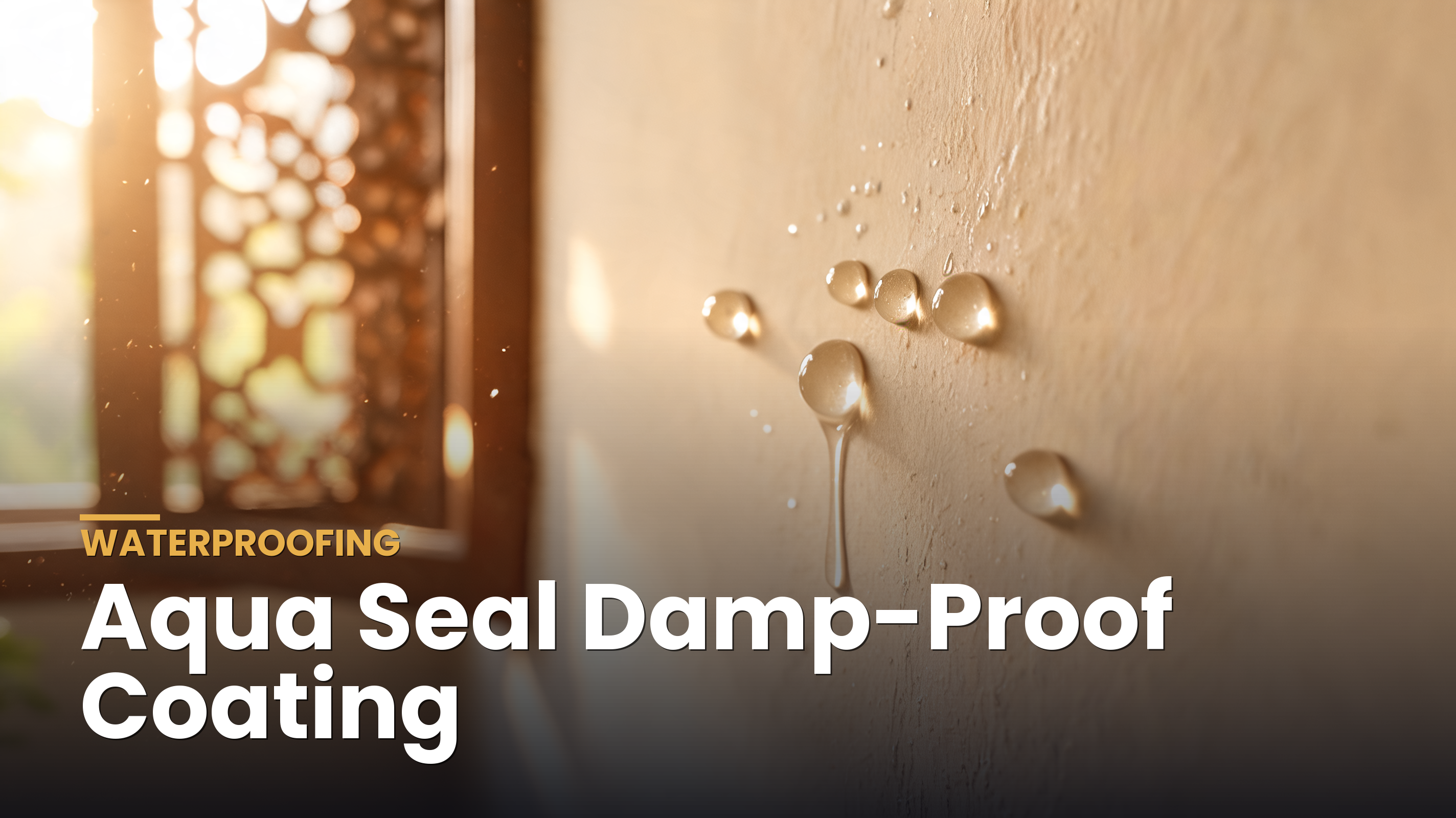
Layer 2 is Aqua Seal, a damp-proof barrier applied to interior walls that are damp to the touch or that show moisture seeping after rain. Aqua Seal’s Nano-Polymer technology blocks capillary moisture from moving up through masonry. Apply Aqua Seal to the interior side of exterior walls, basement or ground-floor bedroom walls, and any wall below the horizontal damp line. One coat is usually sufficient if applied to a clean, dry surface.
Layer 3 is Super Seal Fibre Primer, applied as your undercoat before your final emulsion or paint. Super Seal is water-repellent and flexible, so it moves with the wall instead of cracking as the wall dries. Use Super Seal on all exterior walls and on the interior of walls you know get damp. Two coats of Super Seal are better than one, especially on walls that had prior moisture damage.
| Damp Problem | Location | Best Solution | Why It Works |
|---|---|---|---|
| Dark patches after rain, wet plaster | Exterior walls, near windows or joints | Damp Shield outside + Super Seal inside | Damp Shield stops rain entry; Super Seal lets wall dry while protecting paint |
| Horizontal damp line, salt stains, mould | Bedroom walls, lower sections | Aqua Seal + Super Seal Fibre Primer | Aqua Seal blocks capillary rise; Super Seal prevents paint lift |
| Condensation, mould, musty smell | Interior walls, bathrooms | Improve ventilation + Aqua Seal + Super Seal | Ventilation removes moisture; Aqua Seal and Super Seal protect against residual damp |
| Ceiling drips, roof leaks | Roof, terrace, topmost floor | Damp Shield on roof + Aqua Seal inside if seeping | Damp Shield stops water at source; Aqua Seal protects interior while roof dries |
How do you waterproof the exterior before monsoon?
Start with your roof and terrace. Clean off any loose debris, old paint, or algae using a pressure washer or scraper. Patch any large cracks with cement repair mortar and allow to cure. Once dry and clean, apply Damp Shield with a paint roller or airless sprayer. One thick coat is better than two thin coats. Damp Shield needs 48 to 72 hours of dry weather to cure. If rain arrives within 48 hours, the coating will not bond properly and may peel or bubble. Plan your roof waterproofing by late May, before the monsoon arrives in June.
For parapet walls and exterior wall surfaces that are exposed to heavy rain, also apply Damp Shield. Focus on corners, wall joints, and areas where water collects or runs down. These areas are most prone to seepage.
How do you seal interior walls to stop dampness?
After you have waterproofed the exterior, address interior walls that are already damp. Do not paint over a damp wall; paint will bubble and peel within weeks. Dry the wall first by opening windows and running fans. In the monsoon season, this can take weeks. Once the wall is dry, apply Aqua Seal. Do not thin it; apply as supplied. Aqua Seal dries to a hard, damp-proof film that water cannot penetrate. It is not painted over immediately; allow 24 hours cure time, then inspect to ensure the wall is no longer damp to the touch.
Only after Aqua Seal is cured, apply Super Seal Fibre Primer as your base coat. Super Seal is flexible and water-repellent, so it protects your final emulsion. Apply two coats of Super Seal if the wall had severe prior dampness. Finish with your choice of emulsion like Dew for living areas or a moisture-resistant product for bathrooms.
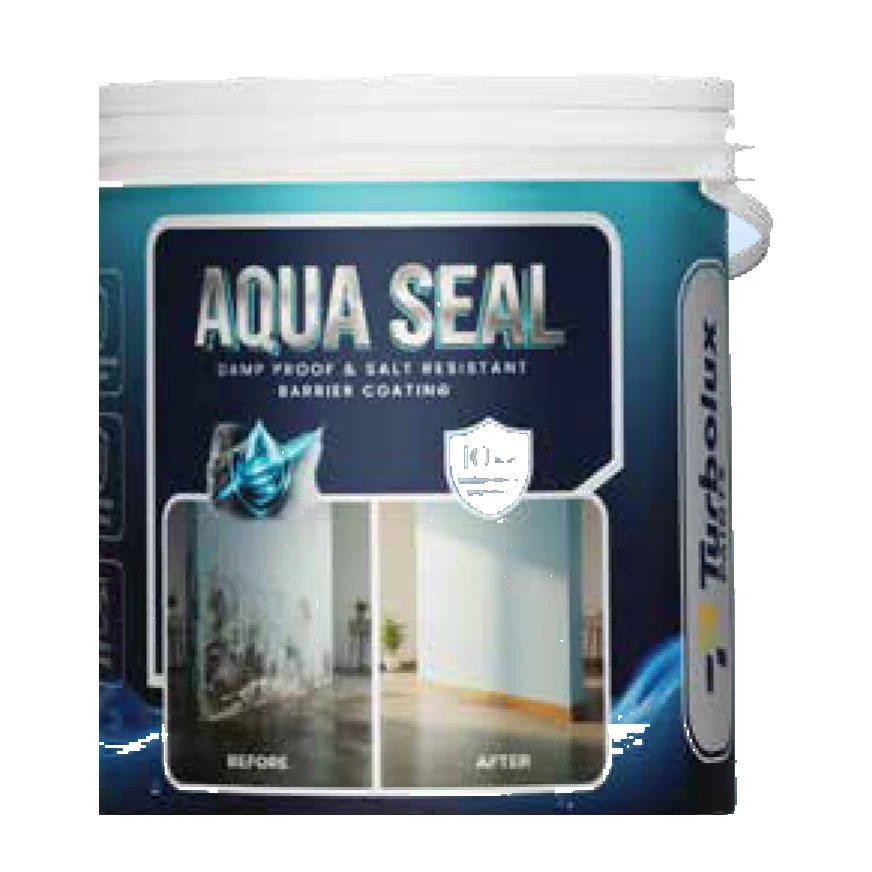
Nano-Polymer damp-proof and salt-resistant barrier coating, 10 Year Warranty.
10 Year WarrantyView Aqua Seal →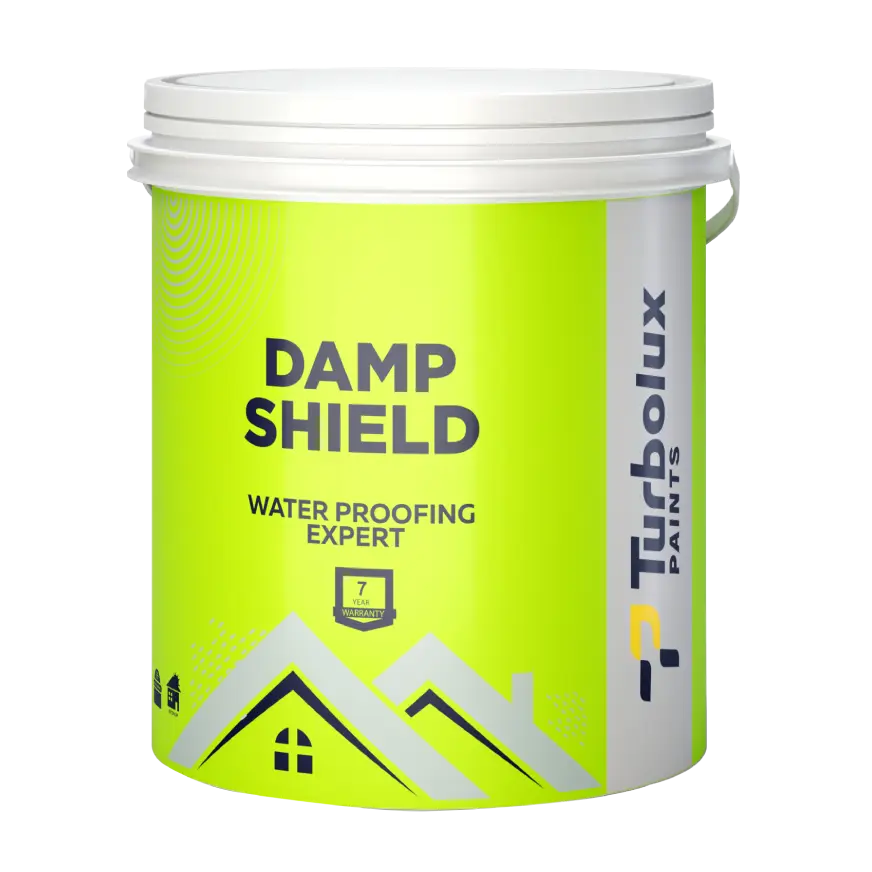
Elastomeric fibre-tech waterproof coating for roofs and terraces, 7 Year Warranty.
7 Year WarrantyView Damp Shield →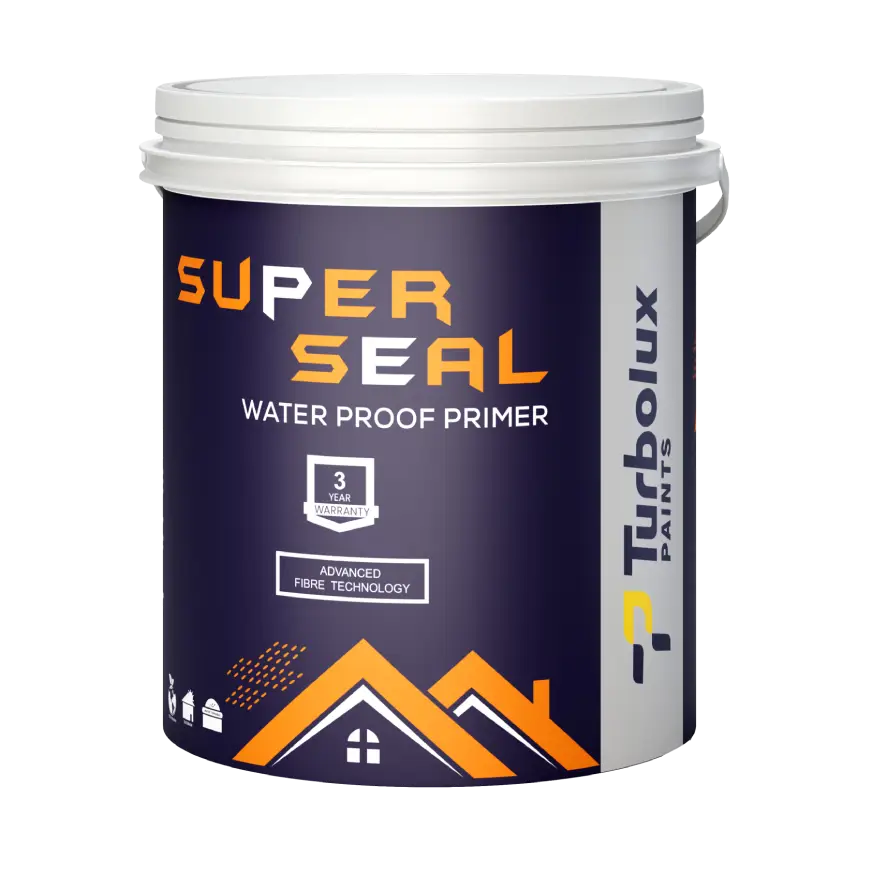
Fibre-technology waterproof premium primer for walls and ceilings.
3 Year WarrantyView Super Seal →Frequently asked questions
Do I need all three products or just one?
All three products work together on different parts of your home. Damp Shield prevents rain entry on roofs. Aqua Seal blocks moisture already in walls. Super Seal protects paint from being lifted by residual moisture. Using all three gives the best result. If budget is tight, start with Damp Shield on the roof (stops future leaks) and Aqua Seal on the damp interior wall (stops current moisture).
Can you apply Aqua Seal to a wet wall?
No. Aqua Seal must be applied to a clean, dry surface. If your wall is actively wet, first improve ventilation and allow the wall to dry for several days or weeks. Use fans and keep windows open during dry hours. Only when the wall is dry to the touch should you apply Aqua Seal. If you apply it to a damp wall, it will not bond properly.
How long does it take to see results after applying these products?
Damp Shield on the roof prevents new leaks immediately. Aqua Seal and Super Seal stop damp from wicking through the wall, but if the wall is soaked, drying can take weeks or months. Once dry, your paint will no longer bubble or peel. If you applied these products correctly but the wall is still damp after two months, the source of water is likely a roof leak or rising groundwater that needs more serious intervention like exterior drainage.
Can you paint over Aqua Seal immediately?
No. Allow Aqua Seal to cure for 24 hours before applying any paint or primer on top. It is a barrier coating and needs time to set hard. After 24 hours, apply Super Seal Fibre Primer as your base coat before your final emulsion.
Is Damp Shield safe to apply before monsoon if rain is forecast?
No. Damp Shield needs 48 to 72 hours of dry weather to cure properly. If rain arrives within that window, the coating will not bond well and may peel. Apply Damp Shield by late May, before the monsoon weather becomes unpredictable. Check the forecast for at least three to four days of dry weather before you start.
Stop dampness before the monsoon arrives
Waterproof your roof and seal interior walls now using Damp Shield, Aqua Seal, and Super Seal Fibre Primer. These three products form a complete damp-proofing system designed for Kerala’s climate.
Find your Turbolux paint →Made in Kerala for Kerala’s climate.