And the best paint solutions to stop it for good.
The Monsoon Problem Every Homeowner Knows Too Well
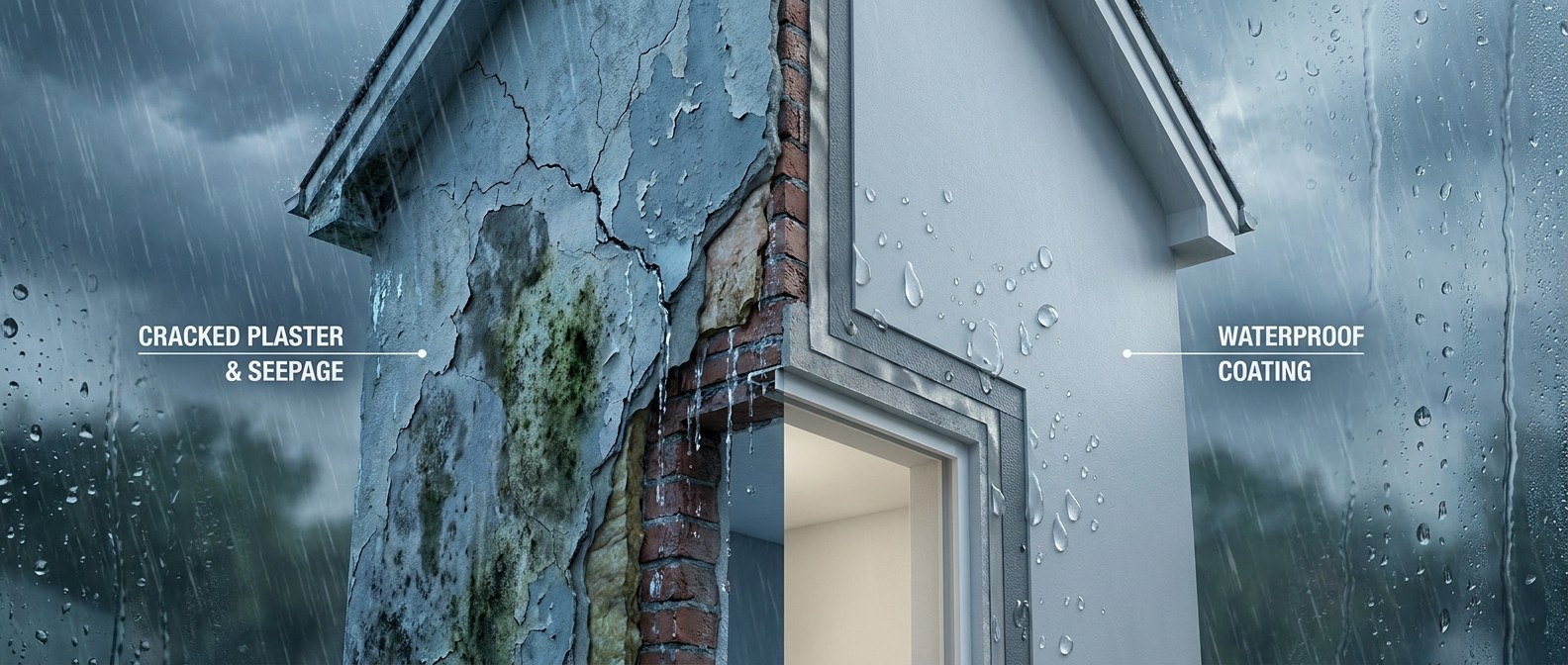
Every year, as the monsoon clouds roll in, a familiar problem returns — damp patches, peeling paint, and a musty smell indoors. If your walls are getting moist quickly during the rains, you’re not alone. In most cases, it comes down to two things: the condition of your walls and the quality of paint protecting them.
This guide breaks down why walls absorb moisture so fast, the warning signs to watch for, and how the right waterproofing approach can solve the problem completely.
Why Do Walls Get Damp So Fast in Monsoon?
Understanding the “why” helps you pick the right fix. Here are the most common causes:
Porous Wall Surface.
Untreated cement and brick walls are naturally porous. Without a waterproof coating, rainwater seeps directly into the wall’s pores
Old or Low-Quality Paint
Regular emulsion paints are designed for looks, not water resistance. Once they age or crack, water finds its way in easily.
Poor Construction Waterproofing
Many homes skip waterproofing at the plastering stage. Without it, paint alone can’t compensate for the missing first line of defence.
Capillary Action Through Cracks
Hairline cracks act like straws, drawing water upward and inward — a major reason dampness appears near the base of walls.
Poor Drainage or Seepage
Blocked drainage, overflowing gutters, or shared walls with a leaking neighbouring structure can push moisture into your walls.
High Humidity & Poor Ventilation
In high-rainfall regions, constant humidity keeps walls from drying between rain spells, allowing moisture to accumulate over time.
Signs Your Wall Has a Moisture Problem
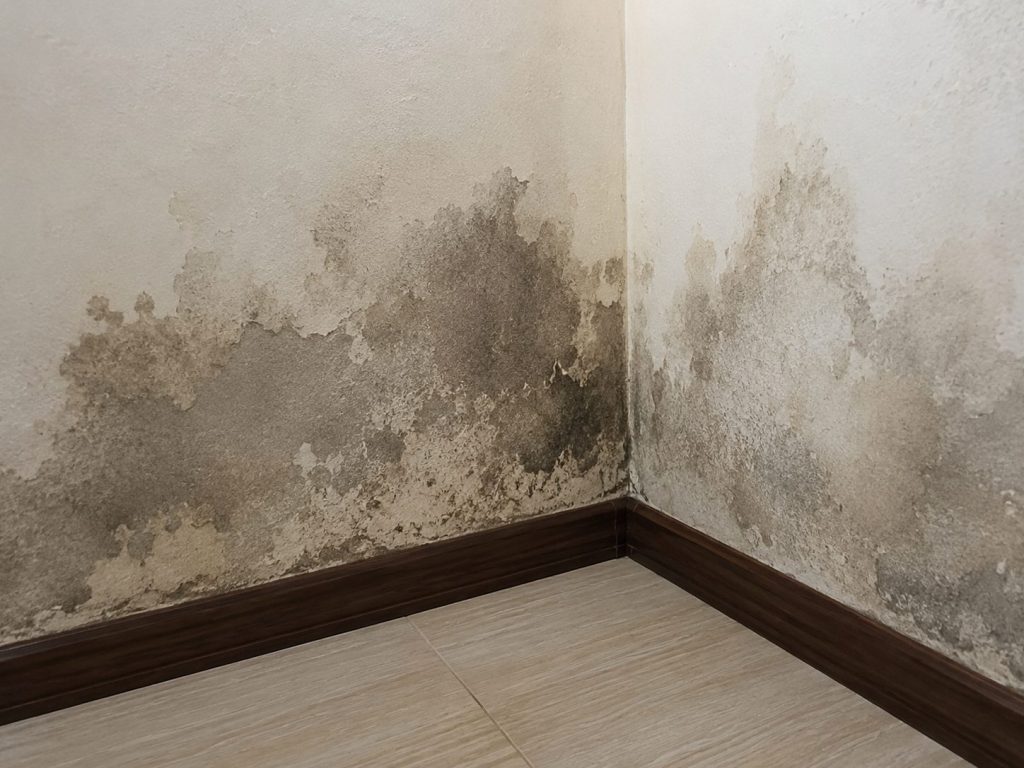
Don’t wait for the damage to spread. These are the key warning signs to look out for:
Darkening damp patches

Patches that appear or darken during and after rain

Paint bubbling or peeling

Flaking paint is a clear sign of moisture beneath the surface

Musty, earthy smell

A persistent damp odour indoors signals hidden moisture

White powdery deposits

Efflorescence on the surface indicates salt deposits from rising damp

Visible mould or mildew

Especially common in corners and poorly ventilated areas
Best Paint Solutions for Damp-Proofing Walls
Waterproof Exterior Emulsion
Formulated with elastomeric or acrylic technology that expands and contracts with temperature, sealing hairline cracks and preventing water penetration.
Damp-Proof Primer — Super Seal
Turbolux Super Seal is a water-based premium waterproofing primer with advanced fibre technology. It blocks rising moisture and efflorescence, with a 3-year warranty.
Elastomeric Coating — Damp Shield
Turbolux Damp Shield is a reinforced elastomeric coating for terraces and exterior walls. Its fibre-reinforced formula bridges cracks and blocks water, backed by a 7-year warranty.
Anti-Fungal & Anti-Algal Paint
Paints with anti-fungal and anti-algal additives prevent mould and moss growth on damp-prone walls in humid, rainy climates.
Cementitious Waterproof Coating
For severe seepage, a cementitious coating applied before painting offers a strong protective base — ideal for basements and older structures.
Step-by-Step: How to Treat a Damp Wall Before Monsoon.
- Identify & Dry
- Prepare Surface
- Apply Primer
- Waterproof Protect
Following these steps in order ensures lasting protection. For terrace leaks, treat the roof first with Damp Shield — apply a diluted self-priming coat followed by two undiluted coats — before addressing interior walls. With Super Seal, dilute the first coat by 30% for waterproofing, then apply a second undiluted coat after 4–6 hours.
How to Choose the Right Paint Brand for Monsoon Protection.
What to Look For
- Waterproofing warranty (5, 7, or 10-year claims)
- Weather-shield or all-weather technology
- Anti-algal and anti-fungal certification
- Breathability — lets trapped moisture escape
- Crack-bridging ability for older buildings
Popular Categories
- Weatherproof Exterior Emulsions
- Waterproof Cement Paints
- Elastomeric Waterproof Coatings
All widely available from major paint brands across India.
Frequently Asked Questions
- Can regular paint prevent monsoon dampness?
- No. Regular emulsion or distemper paints are not designed to resist water pressure. A dedicated waterproof paint is necessary.
- How long does waterproof paint last?
- Most quality waterproof exterior paints last between 5 to 10 years, depending on climate exposure and wall preparation.
- Is a primer necessary before waterproof paint?
- Yes. A damp-proof primer like Super Seal significantly improves adhesion and blocks moisture and salt deposits from affecting the topcoat.
- Can I apply waterproof paint on an already damp wall?
- It’s best to let the wall dry fully first. Painting over damp surfaces traps moisture inside, leading to mould growth and paint failure.
- Does waterproof paint work on interior walls too?
- Yes, especially in humid regions. Interior waterproof and anti-fungal paints help control condensation-related dampness in bathrooms, kitchens, and ground-floor rooms.
- My terrace leaks and the ceiling below gets damp — what should I use?
- Damp Shield from Turbolux Paints is a reinforced elastomeric waterproof coating designed for terraces and vertical exterior surfaces. Its fibre-reinforced formula bridges cracks and blocks water at the surface, backed by a 7-year warranty — stopping seepage before it ever reaches your ceiling or walls.
- Should I use a primer before my final coat of paint?
- Yes, always. Super Seal uses fibre technology to improve adhesion and penetration, blocking rising moisture and efflorescence at the base layer. It works on both interior and exterior plastered surfaces and comes with a 3-year warranty, ensuring your topcoat performs better through the monsoon.
A Dry Wall Is a Protected Wall
A wall that turns damp within days of monsoon arriving is usually a sign it was never properly protected. The good news: this is a fixable problem. With the right surface preparation, damp-proof priming, and a high-quality waterproof paint, you can keep your walls dry, mould-free, and looking fresh through every rainy season.
Start your monsoon-proofing before the rains hit — paint adheres and cures best in dry weather. Use Damp Shield for terraces and Super Seal as your waterproofing primer for a strong, moisture-resistant foundation.
More Home Maintenance Tips
Explore our guides to keep your home protected all year round:
Best Exterior Paint Colours.
Choose colours that enhance curb appeal while offering lasting weather protection.
Preparing Your Home for Monsoon.
A complete pre-monsoon checklist to protect every part of your home before the rains arrive.
Preventing Mould Growth Indoors.
Practical steps to control humidity and stop mould before it becomes a health hazard.