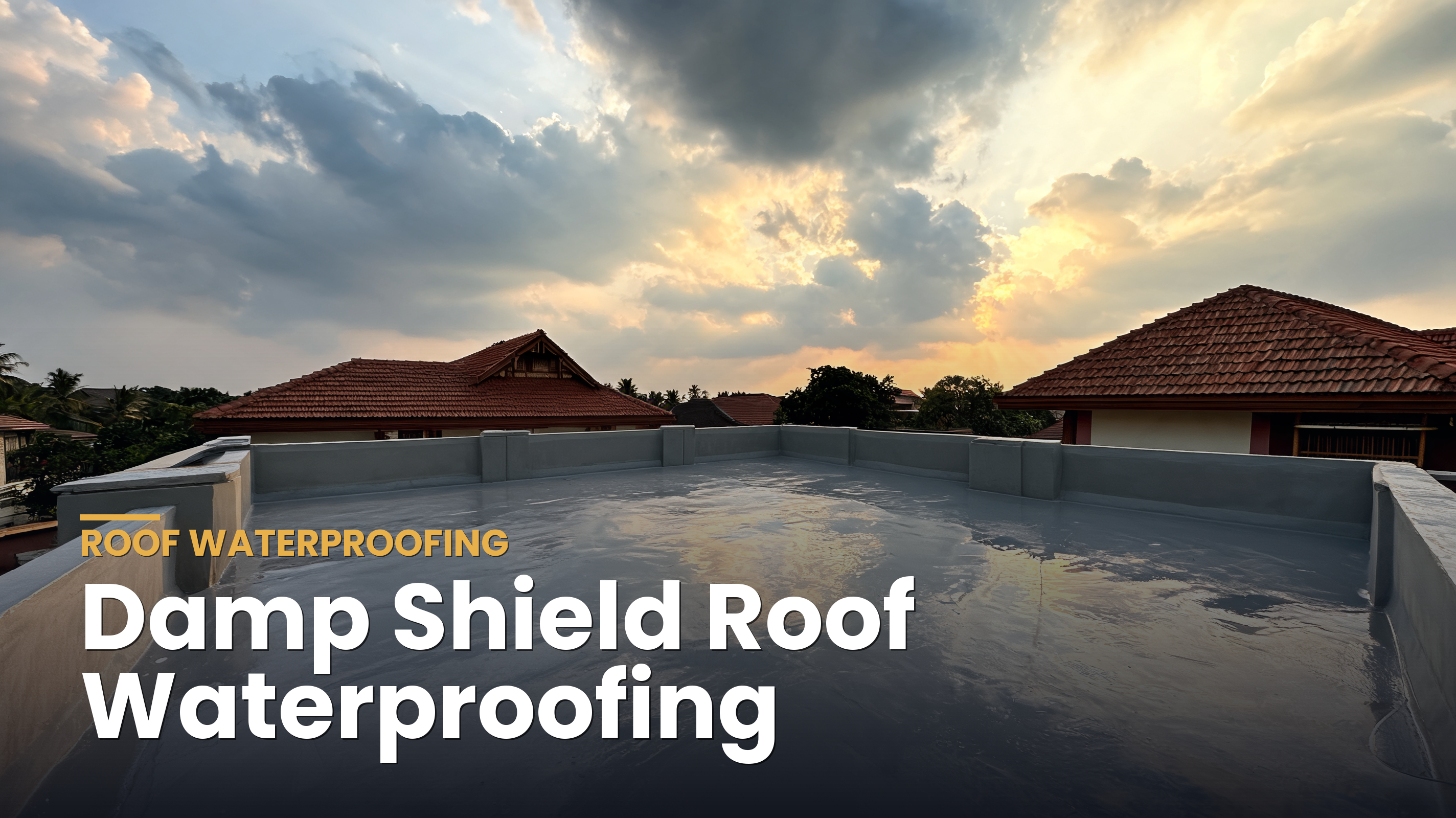
Painting a room yourself is simple once you prep properly and use the right primer and emulsion. Here is the exact professional sequence.
Short answer: to paint a room like a pro, clear and protect the space, clean and sand the walls, fill cracks, then apply one coat of primer followed by two coats of a quality interior emulsion. Cut in the edges with a brush before rolling each coat, and leave 4 to 6 hours between coats. A standard 10 by 12 foot room takes one weekend and roughly 3 to 4 litres of paint.
What do you need to paint a room?
Good tools make the job faster and the finish cleaner. Gather these before you start so you are not stopping halfway:
- A quality interior emulsion (about 1 litre covers 120 to 140 square feet per coat)
- An interior wall primer for a fresh or patchy surface
- A 9 inch roller with a medium-pile sleeve, plus a 2 inch brush for cutting in
- Painter’s tape, drop sheets, wall putty or filler, and 120-grit sandpaper
- A paint tray, a stirrer, and a bucket of water for clean-up
For a smooth, washable finish that holds up to daily life, use a proper interior emulsion rather than a cheap distemper. Turbolux Dew is formulated with GLATT technology for a rich, even sheen, and a water-based interior primer helps it bond and cover in fewer coats.
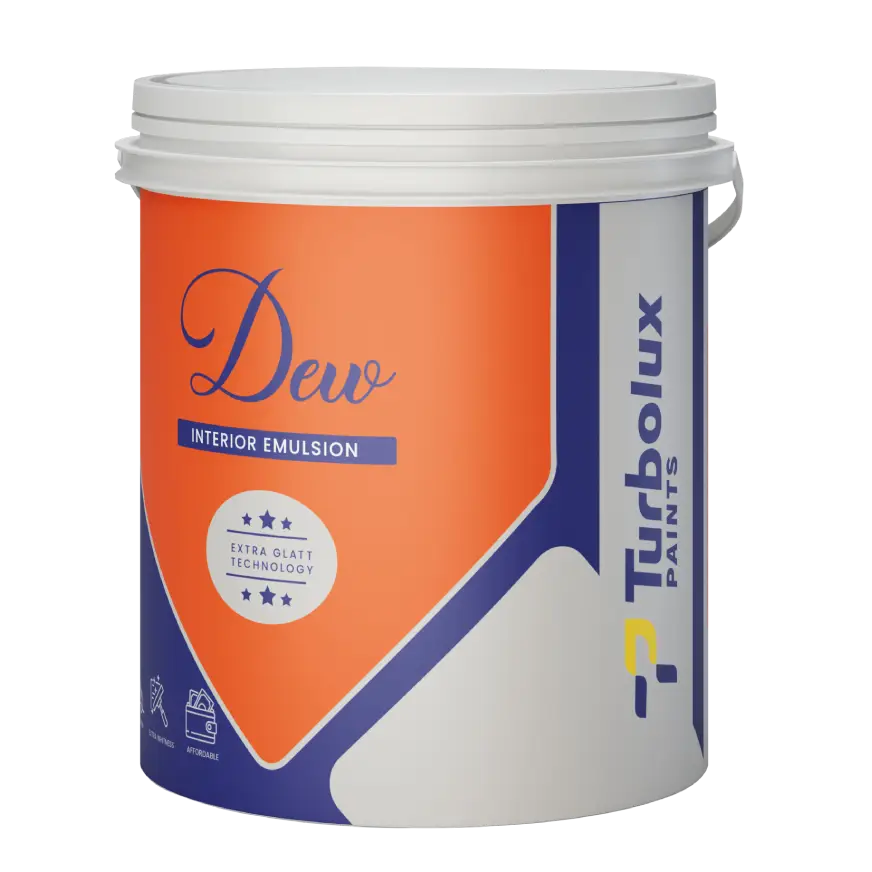
A smooth, washable interior emulsion with GLATT technology for a rich, even finish.
Silky Matte Finish View Dew →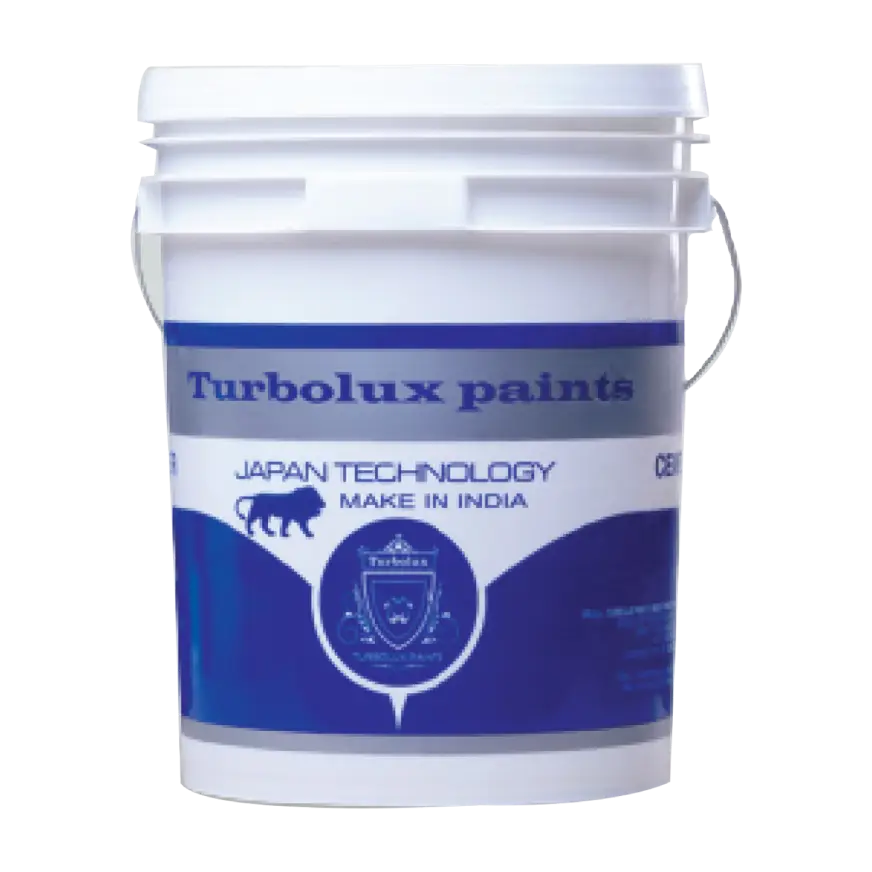
A water-based undercoat that improves adhesion and coverage so your topcoat looks even.
Water-Based Undercoat View Primer →How do you paint a room step by step?
- Clear and protect the room. Move furniture to the centre and cover it, take down curtains and switch plates, and lay drop sheets. Tape the edges of trims, skirting and window frames.
- Clean and repair the walls. Wipe off dust, grease and any cobwebs. Scrape flaking paint, fill cracks and holes with wall putty, let it dry, then sand smooth with 120-grit paper and wipe clean.
- Prime. Apply one coat of interior primer, especially on fresh plaster, patched areas or bold old colours. Let it dry for about 4 hours. Primer gives a uniform base so the topcoat covers in two coats instead of three.
- Cut in the edges. With a 2 inch brush, paint a neat 2 inch band along the ceiling line, corners and around trims. Doing this first means the roller never has to reach tight spots.
- Roll the first coat. Load the roller evenly and work in overlapping “W” strokes, then fill in without lifting off. Keep a wet edge and do one wall at a time. Leave it to dry for 4 to 6 hours.
- Apply the second coat. Cut in again, then roll the final coat the same way. Two coats give even colour and a durable, washable surface. Remove the tape while the paint is still slightly soft for a crisp line.
Should you paint the ceiling too?
Paint the ceiling first if you are doing the whole room, so any spatter lands on unpainted walls. Use a dedicated ceiling white rather than wall paint: it is formulated to hide unevenness and resist yellowing. Turbolux Ultra Ceiling White is made for exactly this and is green assured.
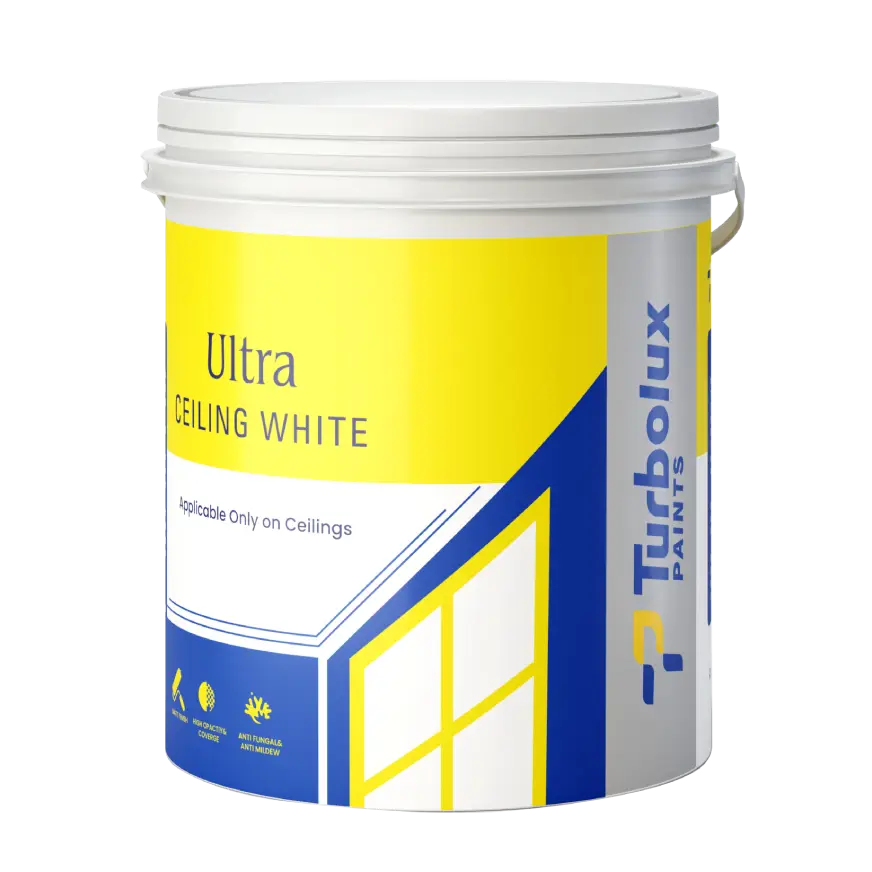
A dedicated ceiling paint that hides imperfections for a clean, bright finish.
Green Assured View Ceiling White →Quick reference: coats and drying times
| Surface | What to use | Coats | Dry time between coats |
|---|---|---|---|
| Fresh plaster | Primer, then Dew emulsion | 1 primer + 2 topcoats | 4 to 6 hours |
| Repaint (good condition) | Dew emulsion | 2 topcoats | 4 to 6 hours |
| Ceiling | Ultra Ceiling White | 2 coats | 4 to 6 hours |
What mistakes should you avoid?
- Skipping prep. Painting over dust, grease or cracks is the top reason a finish looks patchy or peels early.
- One thick coat instead of two thin ones. Thick coats run and dry unevenly. Two thin coats always look better.
- Not letting coats dry. Rolling over a coat that is still tacky lifts the paint. Respect the 4 to 6 hour window.
- Cheap distemper indoors. It marks easily and cannot be washed. A washable emulsion lasts far longer.
Frequently asked questions
How long does it take to paint a room?
A standard 10 by 12 foot room takes one weekend for a beginner: a few hours to prep and prime on day one, then two topcoats with drying time on day two. Professionals often finish in a single day.
How many coats of paint does a wall need?
Two coats of interior emulsion over a primed wall. Fresh plaster or a big colour change needs the primer coat first, so one primer plus two topcoats.
Do I need primer to paint an interior wall?
Yes on fresh plaster, patched areas, stains or when covering a dark colour. Primer gives a uniform base, improves adhesion and helps the topcoat cover in fewer coats. On a sound, similar-coloured repaint you can sometimes skip it.
How long should I wait between coats?
Leave 4 to 6 hours between coats of water-based emulsion in normal conditions. Humid weather needs longer. The surface should feel dry, not tacky, before the next coat.
What is the best paint for interior walls?
A water-based acrylic interior emulsion. It is washable, low odour and gives a smooth, even finish. Turbolux Dew is a good choice for Indian homes.
Ready to refresh your rooms?
Turbolux interior emulsions and primers give a smooth, washable finish that lasts. Find the right products and your nearest dealer.
Find your Turbolux paint →Made in Kerala. Trusted by dealers across South India.