
How to use Mirror Black and Mirror Grey high-gloss emulsions for feature walls with real drama.
Short answer: Mirror Black and Mirror Grey are premium high-gloss emulsions that give walls a smooth, light-reflecting mirror finish. They are made for feature walls rather than whole rooms: a glossy black wall brings depth and drama to a cafe, a lounge or a bar counter, while a glossy grey wall behind a TV or showcase unit bounces light and makes the space feel larger. Because gloss shows every flaw, the finish depends entirely on a smooth, well-prepared wall. Use them on one accent surface, keep the rest matte, and prep the wall properly.
What are Mirror Black and Mirror Grey?
Mirror Black and Mirror Grey are high-gloss emulsions, which means the paint film reflects a large amount of light instead of absorbing it the way a matte wall does. The result is a rich, almost wet-looking surface with real depth, the kind of finish you notice the moment you walk into a room.
That reflectivity is the whole point, and it is also the reason these are accent paints, not all-over wall paints. A high-gloss finish turns a single wall into a design feature. Cover an entire room in it and the effect becomes overwhelming, and every small imperfection in the plaster starts to show. Used on one carefully chosen surface, they are one of the fastest ways to make a space feel designed rather than just painted.
Where do glossy walls work best?
Glossy walls earn their place where you want atmosphere, reflection or a sense of luxury on a single surface. Two settings show it off particularly well.
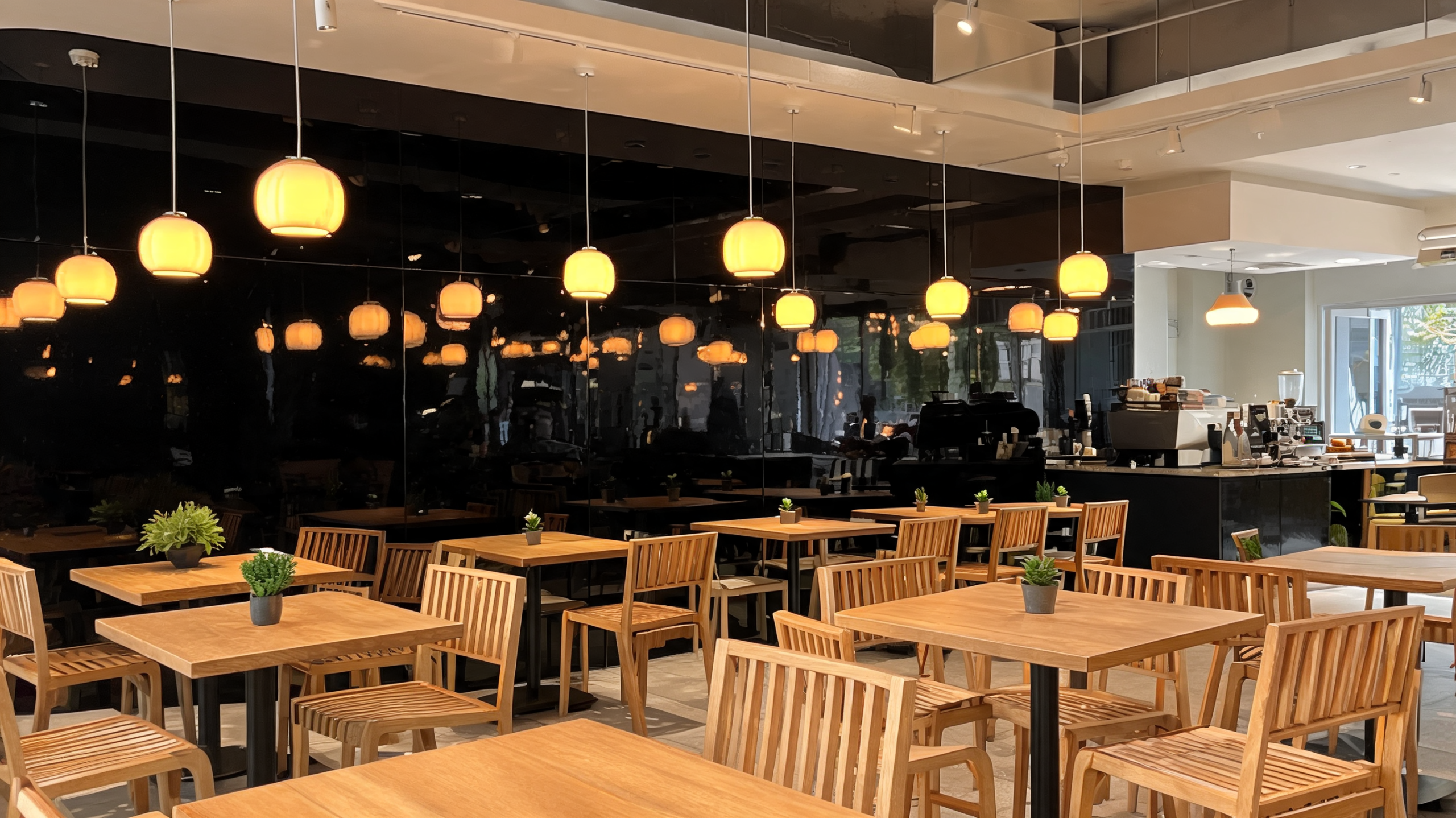
A glossy black wall is made for hospitality and social spaces. In a cafe, a restaurant or a home bar, Mirror Black gives the room depth and a moody, upmarket feel, and it makes warm lighting glow against the dark surface.
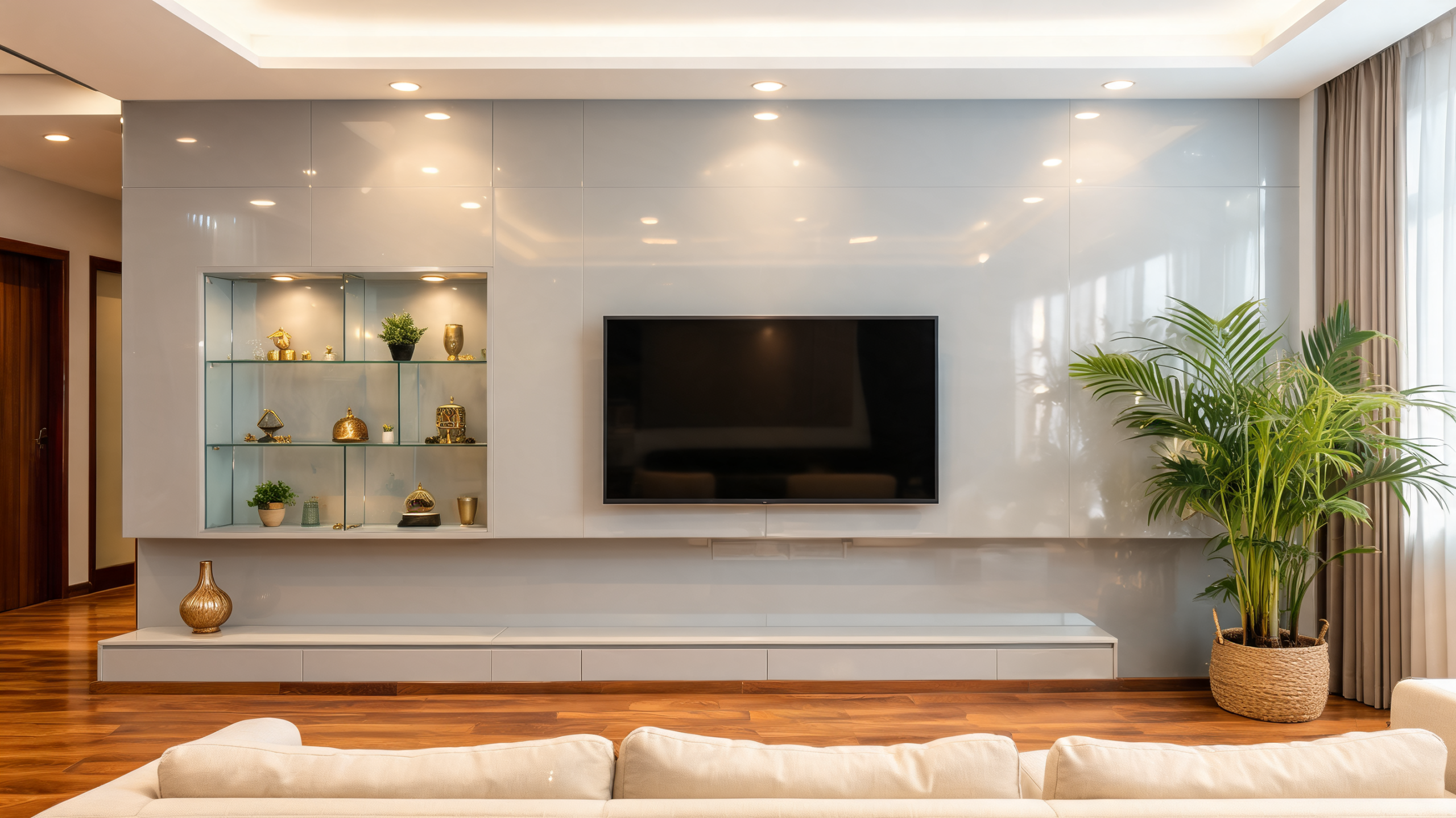
A glossy grey wall is the quieter, more flexible option, and it is ideal behind a television or a display showcase. Mirror Grey reflects the room’s light without the heaviness of black, so the space feels brighter and larger, and the TV or the objects on display stand out against a clean, elegant backdrop.
Other strong candidates are a hallway end wall, a pillar or an alcove, and the wall behind a staircase. In every case the rule is the same: one surface, well lit, with the surrounding walls kept matte so the gloss reads as a deliberate feature.
Black gloss or grey gloss: which suits your room?
The choice comes down to the mood you want and how much natural light the room has.
| Mirror Black | Mirror Grey | |
|---|---|---|
| Mood | Dramatic, intimate, luxurious | Calm, modern, spacious |
| Best rooms | Cafes, bars, lounges, home theatres | Living rooms, TV walls, showcases, offices |
| Light needs | Works best with good, warm lighting | Flexible, brightens lower-light rooms |
| Effect on space | Makes a wall recede for depth | Reflects light to feel larger |
If your room is compact or does not get much daylight, Mirror Grey is usually the safer choice because it opens the space up. If you have a well-lit room and want a bold, statement surface, Mirror Black delivers the drama. For more on how colour and reflection change the sense of size, see our guide to interior colours that make small rooms look bigger.
How do you get a flawless gloss finish?
This is the part that decides everything. A high-gloss surface is unforgiving: because it reflects light, it also reflects every dent, ripple and roller mark in the wall beneath it. A matte paint hides such flaws, but gloss magnifies them. So the preparation matters more here than with any other finish.
- Start with a dead-smooth wall. The surface must be levelled with wall putty and sanded fine. Any unevenness will show as a wavy reflection. Our guide on wall putty and primer order covers how to build that base.
- Prime properly. A primed, sealed wall gives the gloss an even surface to grip and reflect, and stops patchy absorption.
- Apply thin, even coats. Gloss is best built in two or more thin coats rather than one thick one, which is prone to runs and sagging on a vertical wall.
- Keep a wet edge and good light. Work in good lighting so you can see the reflection as you go, and maintain a wet edge to avoid lap marks.
If the plaster is old and uneven, it is worth having it skimmed smooth before you commit to gloss. On a rough wall, even perfect paint will look imperfect.
Which Turbolux products should you use?
For a true mirror finish, reach for the Mirror range. Where you want a high-sheen look with a little more forgiveness, Maximus is the 3-in-1 glossy alternative.
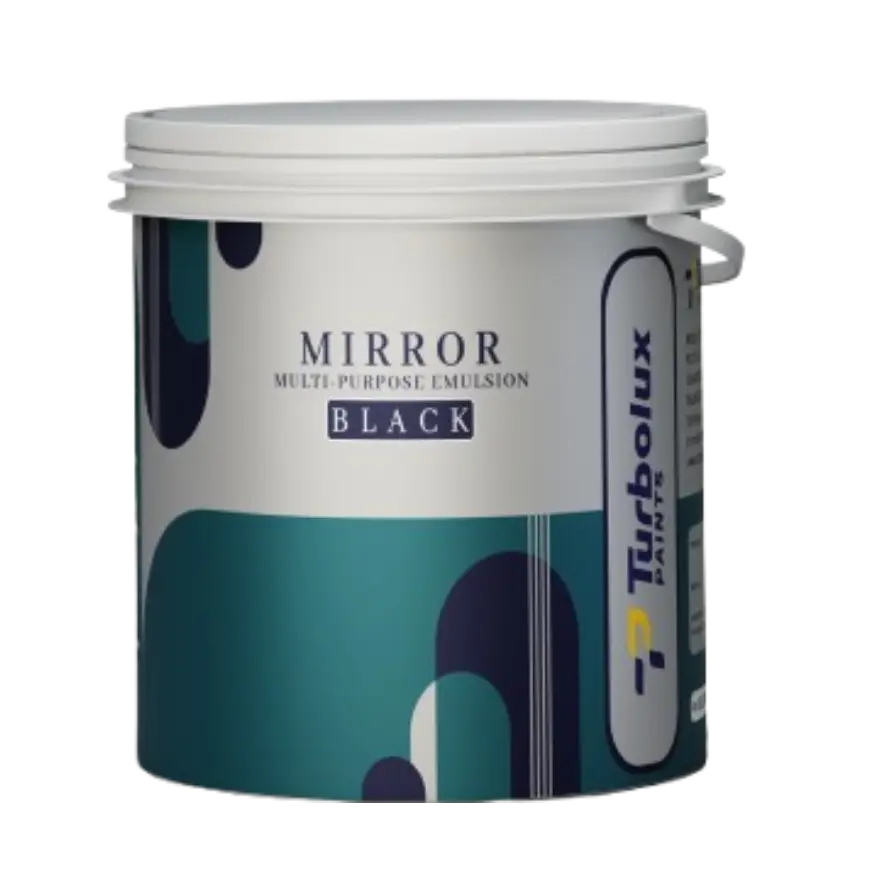
A premium high-gloss black for dramatic feature walls in cafes, bars and lounges.
High-GlossView Mirror Black →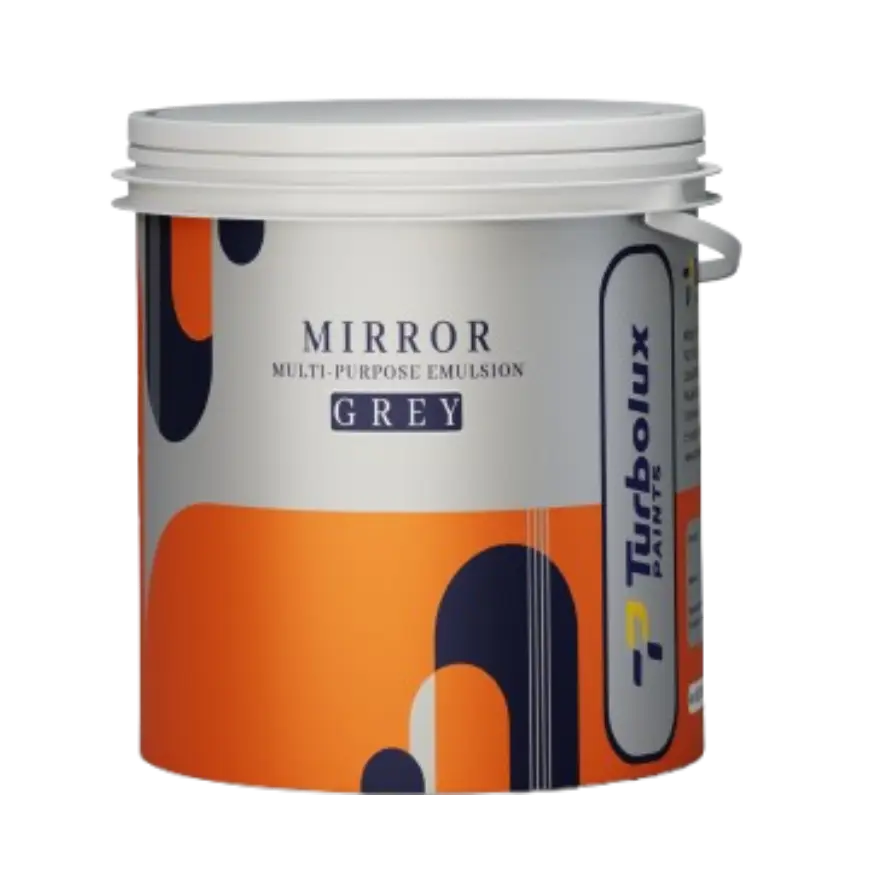
A premium high-gloss grey that reflects light behind a TV or showcase and opens up a room.
High-GlossView Mirror Grey →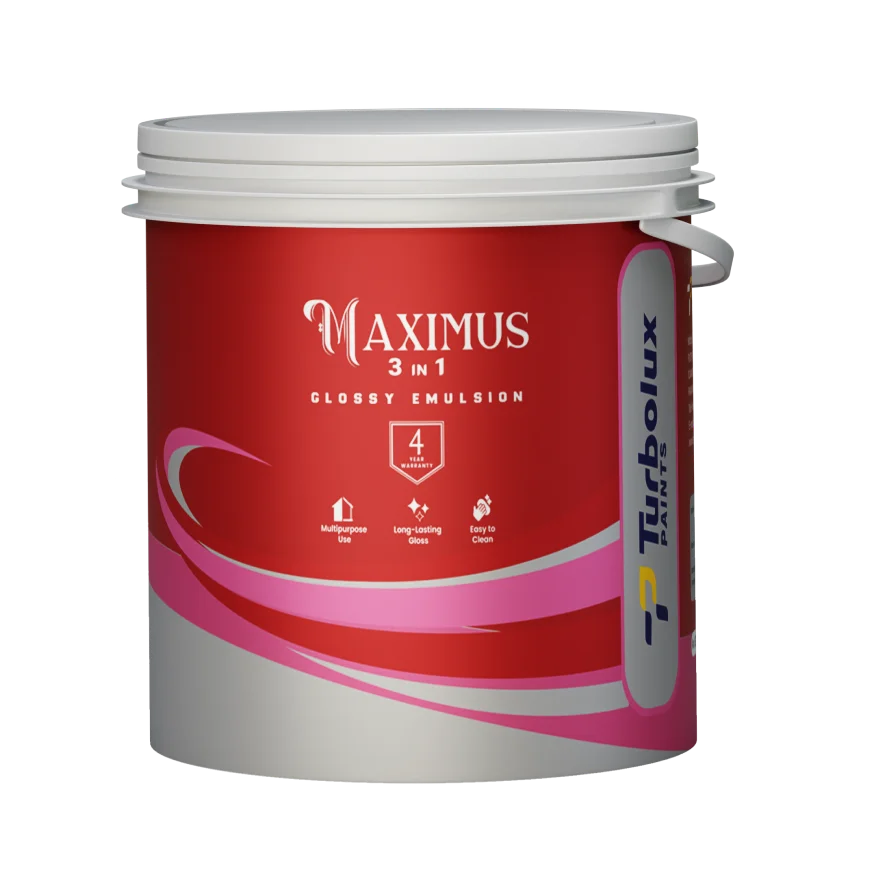
A high-sheen 3-in-1 glossy emulsion for accent walls where you want shine with more shade choice.
3-in-1 GlossView Maximus →For where a glossy emulsion works and where a matte finish serves you better, our guide to using Maximus glossy emulsion goes into more detail.
How do you keep a gloss wall looking new?
The good news is that a gloss surface is easy to maintain. Its tight, non-porous film means marks and fingerprints wipe straight off with a soft damp cloth, which is one reason gloss suits high-touch spots like a bar counter wall or a hallway.
Avoid abrasive scrubbers and harsh cleaners, since these can dull the shine over time. A gentle wipe is all it needs. And because the finish shows dust in raking light, an occasional light dusting keeps the reflection crisp.
Frequently asked questions
Can I paint a whole room in Mirror Black or Mirror Grey?
It is not recommended. High-gloss paint is designed for a single feature wall. Across a whole room the reflectivity becomes overwhelming and every plaster flaw is magnified. Use it on one accent surface and keep the other walls matte for balance.
Why does my glossy wall look uneven?
Almost always because the wall underneath is not perfectly smooth. Gloss reflects light, so any ripple, dent or roller mark shows up as a distortion. The fix is in the preparation: level the wall with putty, sand it fine, prime it, then apply thin even coats.
Is a glossy wall easy to clean?
Yes. The smooth, non-porous gloss film means fingerprints and marks wipe off with a soft damp cloth, which makes it a good choice for high-touch areas. Just avoid abrasive pads and harsh chemicals, which can dull the shine.
Which is better behind a TV, black or grey gloss?
Mirror Grey is usually the better choice behind a TV or showcase. It reflects light to keep the area bright and makes the space feel larger, while framing the screen or display cleanly. Mirror Black works too if you want a darker, home-theatre mood and have good lighting.
Do glossy walls need special surface preparation?
Yes, more than any other finish. Because gloss magnifies flaws, the wall must be skimmed smooth with putty, sanded, and primed before painting. On old or uneven plaster, have it skimmed level first or the reflection will look wavy.
Planning a glossy feature wall?
Tell us the wall and the room, and we will help you choose between Mirror Black, Mirror Grey and Maximus, and get the surface right.
Talk to a Turbolux expert →Made in Kerala for Kerala’s climate.