Painting a brand new house? Follow this step-by-step checklist so your first coat lasts for years, not months.
Short answer: To paint a new home the right way, let fresh plaster cure for at least 28 days, then work in order: level the surface with wall putty, seal it with the correct primer, and finish with two coats of a quality emulsion. Skipping the curing time or the primer is the number one cause of peeling, patchy colour and efflorescence in new Kerala homes. Budget for putty, exterior primer and a weather-resistant emulsion such as Alpha Advanced.
How long should new plaster dry before painting?
This is the step most people rush, and it costs them. Fresh cement plaster holds a lot of moisture and is highly alkaline. Paint it too early and that trapped moisture and alkalinity attack the paint from behind, causing peeling, white efflorescence patches and uneven colour. Give new plaster at least 28 days to cure and dry before any painting. In a damp Kerala monsoon it may need longer. A simple check: tape a small sheet of plastic to the wall overnight, and if moisture collects under it, the wall is not ready.
What order should you paint a new house in?
A lasting finish is built in layers, each doing a job. Skip one and the whole system is weaker. The correct order is: cure, level, prime, then paint.
| Stage | What you do | Why it matters |
|---|---|---|
| 1. Cure | Wait 28+ days, let plaster dry | Stops moisture and alkali damaging paint |
| 2. Level | Apply wall putty, sand smooth | Fills cracks and dents for a flawless finish |
| 3. Prime | One coat of the correct primer | Seals the surface and helps paint grip |
| 4. Paint | Two coats of emulsion | Colour, weather protection and durability |
Which products does a new home need?
For a new build in Kerala, three products cover the exterior job from bare plaster to finish.
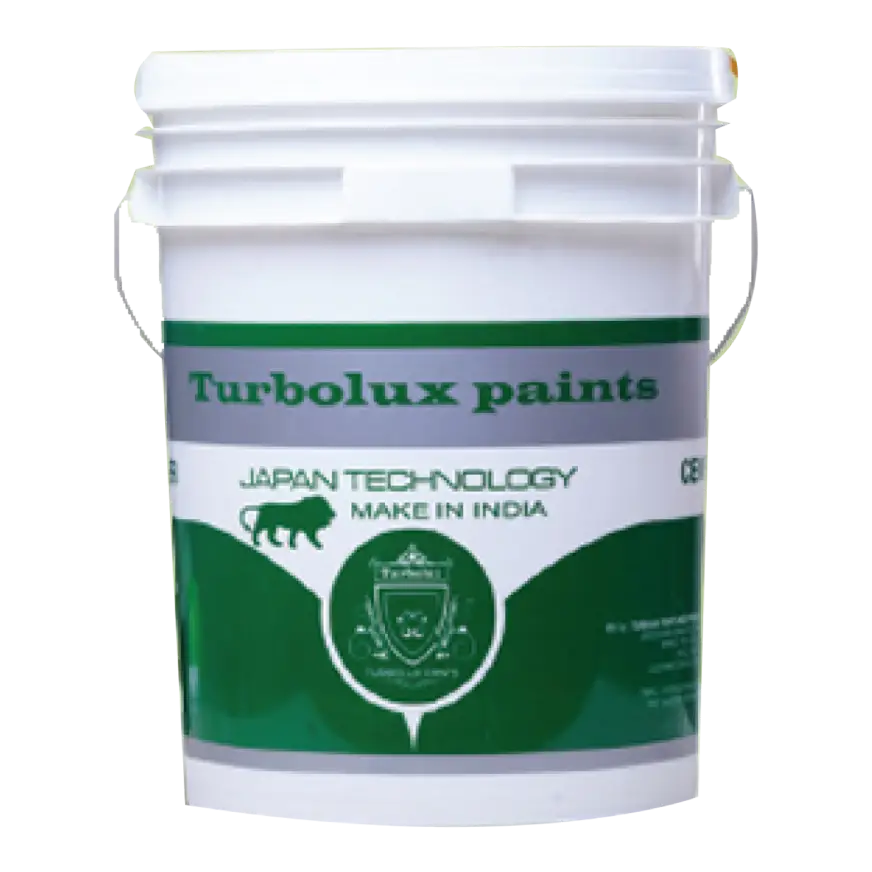
Fills cracks and dents for a smooth, even base before priming.
Smooth BaseView Wall Putty →A water-based, fast-drying primer that seals new exterior walls.
Fast-Drying UndercoatView Exterior Primer →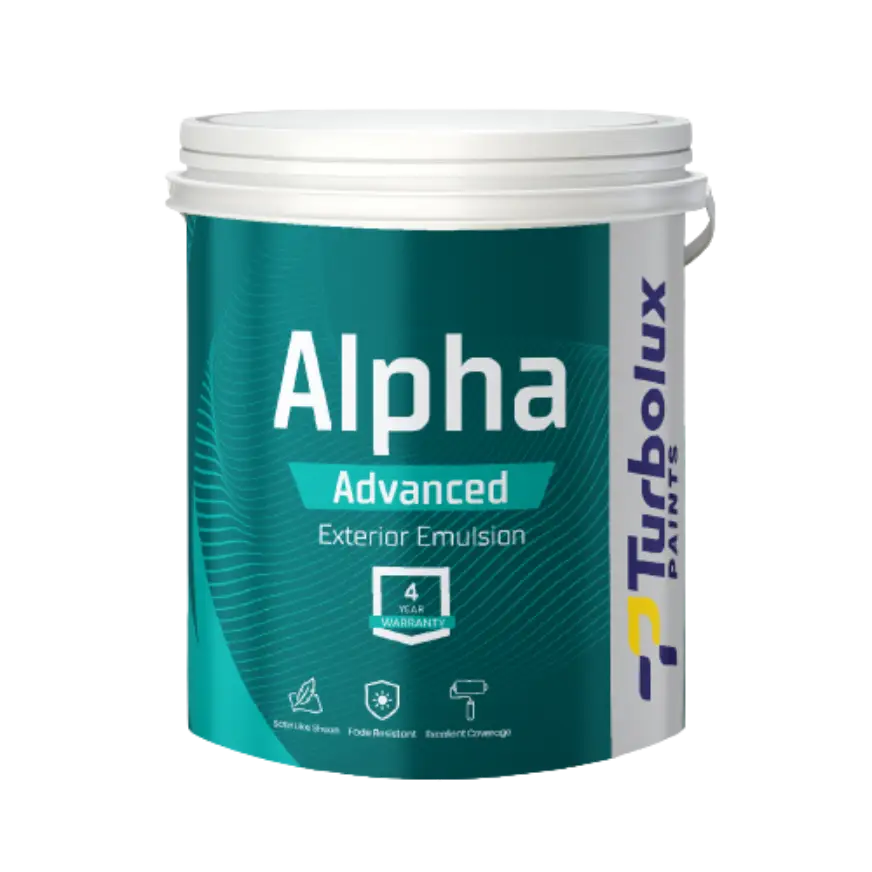
Satin-sheen weather protection with over 1200 shades to choose from.
4+ Year WarrantyView Alpha Advanced →What is the full new-home painting checklist?
Work through these in order for both interior and exterior walls:
1. Let all plaster cure for at least 28 days and confirm it is dry. 2. Scrape off loose material and dust the walls down. 3. Apply wall putty to fill cracks, dents and joints, then sand smooth once dry. 4. Dust off the sanding residue. 5. Apply one coat of the correct primer (exterior primer outside, interior primer inside) and let it dry. 6. Apply the first coat of emulsion evenly. 7. Let it dry as directed, then apply the second coat. 8. Plan the work for a dry spell so each coat cures before rain. 9. Keep a record of the exact shade and product for easy touch-ups later.
Not sure whether you even need a primer? Read do you really need a primer before painting for the short answer. For fresh plaster specifically, our guide to preparing new plaster goes deeper.
Frequently asked questions
Can I paint a new house immediately after plastering?
No. New plaster needs at least 28 days to cure and dry. Painting too soon traps moisture and alkali behind the film, which causes peeling, patchiness and white efflorescence patches within months.
Do I need wall putty on a new home?
For a smooth, premium finish, yes. Wall putty fills the small cracks, dents and trowel marks that new plaster always has, giving the primer and paint an even base. It also reduces how much emulsion you use.
Is primer really necessary on new walls?
Yes. Primer seals the porous new surface, controls alkalinity and gives the topcoat something to grip. Skipping it leads to uneven colour, poor coverage and a paint job that fails early.
How many coats of paint does a new wall need?
After putty and primer, apply two coats of emulsion. Two coats give even colour, full coverage and the durability the warranty is based on. One coat almost always looks patchy on fresh walls.
What is the best time to paint a new home in Kerala?
A dry stretch outside the peak monsoon is ideal, so each coat can cure before rain. If you must paint during the wet season, work on protected walls and allow extra drying time between coats.
Start your new home the right way
From putty to primer to a lasting topcoat, Turbolux has the full system for a flawless first paint job.
Find your Turbolux paint →Made in Kerala for Kerala’s climate.