Water-based or oil-based: the pros, the cons, and what suits a Kerala home.
Short answer: Water-based paint uses water as its carrier, dries fast, has almost no smell, stays flexible and resists yellowing, which makes it the right choice for walls and ceilings in Kerala. Oil-based paint uses a solvent, dries into a harder, glossier film, and grips metal and wood well, but it smells strong, dries slowly and can yellow over time. Use water-based emulsion on walls, and keep oil-based paint for gates, grilles and wooden trim.
What is the real difference?
The difference is simply the liquid that carries the paint. In water-based paint, the resin and pigment are suspended in water, so it dries as water evaporates. In oil-based paint, they are carried in a solvent, so it dries and cures through a slower chemical process. Everything else, the smell, the drying time, the flexibility, the cleanup, follows from that one difference.
Most modern wall paints, including emulsions, are water-based. Most traditional enamels and many wood and metal finishes are oil-based. Knowing the pros and cons of each helps you match the paint to the surface.
What are the pros and cons of water-based paint?
Water-based paint is the easy, modern choice for walls. It dries to touch in under an hour, so you can recoat the same day. It has very little odour, which matters in bedrooms, kitchens and closed rooms. It stays flexible, so it moves with plaster in Kerala heat and monsoon instead of cracking. It resists yellowing and holds colour under strong sun. Cleanup is just soap and water, and it is lower in harmful fumes.
The trade-off: on bare metal or very glossy old surfaces it needs the right primer to grip well, and a single coat can feel thinner, so two coats give the best cover. For walls, none of this is a real drawback.
What are the pros and cons of oil-based paint?
Oil-based paint gives a very hard, smooth, high-gloss film that handles knocks and scrubbing, which is why it works so well on gates, grilles, doors and window frames. It levels out beautifully and seals metal against rust. The downsides are real, though: a strong solvent smell, slow drying that can take a day or more between coats, a tendency to yellow with age indoors, and cleanup that needs thinner. On large plastered walls its rigid, sealed film also tends to crack and trap moisture, so it is a poor fit there.
| Factor | Water-Based | Oil-Based |
|---|---|---|
| Carrier | Water | Solvent |
| Drying time | Fast, recoat same day | Slow, often a day between coats |
| Odour | Very low | Strong |
| Finish | Matte to satin, some gloss | Hard high gloss |
| Flexibility | Stays flexible | Rigid, can crack on walls |
| Yellowing | Resists yellowing | Can yellow over time |
| Best for | Walls and ceilings | Metal and wood |
| Cleanup | Water | Thinner |
So what should you use where?
For walls and ceilings, choose water-based emulsion. Outdoors, Alpha Advanced gives durable, flexible, fade-resistant protection with a huge shade range. Indoors, Dew is a smooth, washable water-based emulsion that keeps rooms fresh and low-odour. Save oil-based paint for the gates, grilles and wooden trim, where its hard gloss actually pays off.
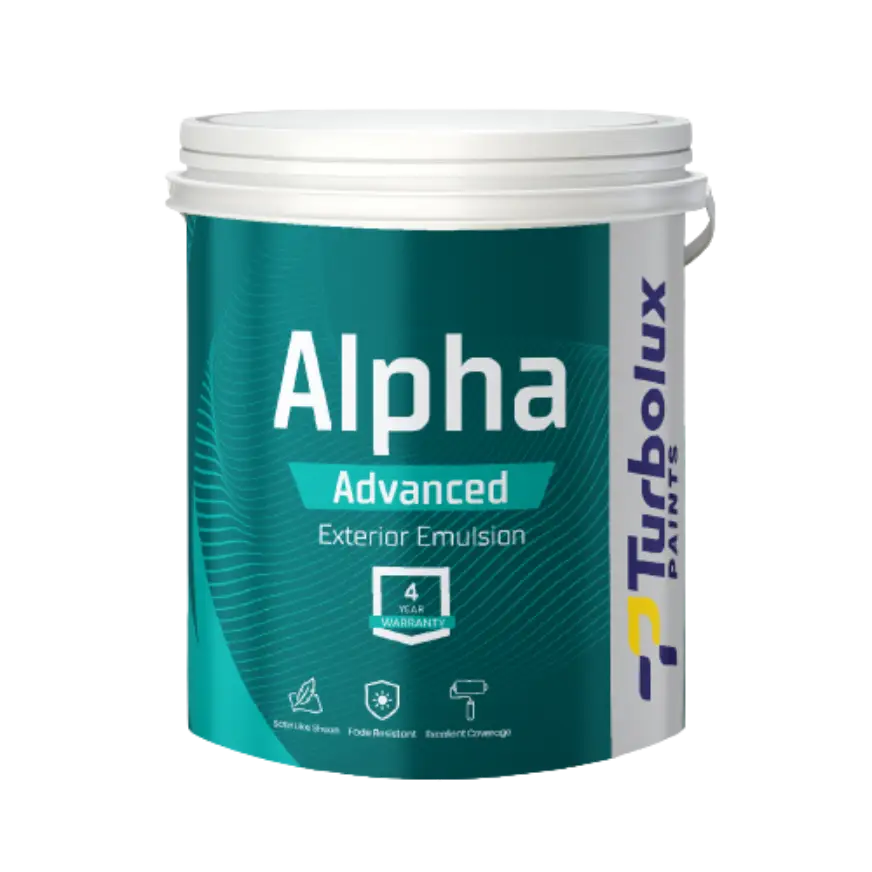
Satin-sheen weather protection with over 1200 shades.
4+ Year WarrantyView Alpha Advanced →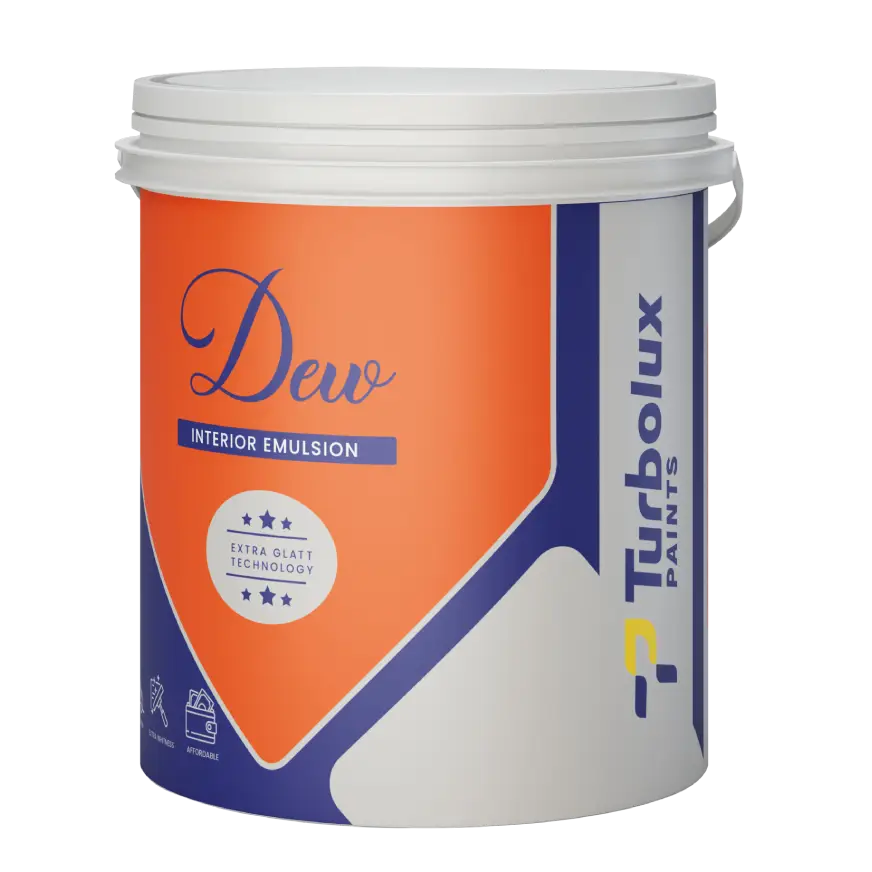
A smooth, washable interior emulsion with GLATT technology.
Silky Matte FinishView Dew →For the closely related finish question, see our guide on acrylic vs enamel paint. Painting fresh plaster? Read how to prepare new plaster for painting.
Frequently asked questions
Is water-based or oil-based paint better for interior walls?
Water-based emulsion is better for interior walls. It dries fast, has very little smell, resists yellowing and cleans up with water, which suits bedrooms, living rooms and kitchens far better than a slow, strong-smelling oil-based paint.
Can I paint water-based over oil-based?
Yes, if you prepare the surface. Sand the glossy oil-based coat to a dull, keyed finish, clean off the dust, and apply a suitable primer first. Without that, the water-based paint will not grip and may peel.
Which is more durable outdoors?
On exterior walls, quality water-based emulsion is more durable because it flexes and breathes with the wall. On metal and wood, oil-based paint is more durable thanks to its hard, sealed gloss.
Does oil-based paint really yellow?
Oil-based paint can yellow over time, especially in low light and interior spaces. Water-based paint keeps whites and pale shades looking cleaner for longer.
Is water-based paint safe to use indoors?
Yes. Its low odour and lower fumes make it much more comfortable for interiors, and you can usually use the room again the same day with good ventilation.
Pick the right base for every surface.
Get water-based emulsion for walls and the right finish for your gates and trim.
Find your Turbolux paint →Made in Kerala for Kerala’s climate.