Acrylic emulsion or enamel: which finish actually lasts on a Kerala exterior wall?
Short answer: For exterior walls in Kerala, water-based acrylic emulsion is the right choice. It breathes, flexes with heat and monsoon swelling, resists fading and algae, and stays looking fresh for years. Enamel is an oil-based, hard-drying gloss built for metal gates, grilles, doors and wood trim, not for large plastered walls. Use acrylic emulsion such as Alpha Advanced or Majestic on the walls, and keep enamel for the joinery and metalwork.
What is the difference between acrylic and enamel paint?
Acrylic paint is water-based. The pigment and acrylic resin are carried in water, so it dries as the water evaporates, has almost no smell, and cleans up with water. On walls it is usually sold as an acrylic emulsion. Enamel paint is traditionally oil-based, or solvent-based. It carries its resin in a solvent, dries slower into a very hard glossy film, needs thinner for cleanup, and has a strong odour while curing.
The short version: acrylic is flexible and breathable, enamel is hard and glossy. That single difference decides where each one belongs on an Indian home.
Why does acrylic emulsion win on exterior walls?
Kerala walls face a brutal cycle. Long hours of direct heat make the plaster expand, then heavy monsoon rain soaks and cools it. A wall coating has to move with that without cracking. Acrylic emulsion stays slightly flexible, so it stretches and settles instead of splitting. Enamel dries into a rigid film that cannot flex with a big wall, so it tends to crack and peel outdoors.
Acrylic emulsion also breathes. Plaster always holds some moisture, and a breathable film lets that vapour escape while blocking rain from getting in. Enamel seals the surface tight. On a large wall that trapped moisture pushes the film off from behind, which is exactly how blistering and flaking start. Good acrylic exteriors also carry UV-stable pigments and anti-algae additives, so colours stay bright and green growth stays away far longer.
Where does enamel paint still make sense?
Enamel is not a bad paint, it is simply built for a different job. Its hard, glossy, tightly sealed film is ideal on surfaces that do not breathe and take a lot of handling: metal gates, window grilles, railings, steel doors and wooden frames. On those, the gloss wipes clean, resists knocks, and the sealed surface actually protects metal from rust. For any exterior metalwork, prime first with a suitable metal primer, then finish with enamel. So a typical Kerala home uses both: acrylic emulsion on the plastered walls, enamel on the gates and grilles.
| Feature | Acrylic Emulsion | Enamel (Oil-Based) |
|---|---|---|
| Base | Water | Solvent or oil |
| Best surface | Plastered walls | Metal and wood |
| Flexibility | Stays flexible, resists cracking | Hard, can crack on walls |
| Breathability | Breathes, lets vapour escape | Seals surface tight |
| Drying and odour | Fast, very low smell | Slow, strong smell |
| Fade and algae resistance | High on exterior grades | Lower on large walls |
| Cleanup | Water | Thinner |
So which should you choose for the walls?
For the walls themselves, choose acrylic emulsion every time. If you want strong value with a wide colour range, Alpha Advanced gives satin-sheen weather protection and over 1200 shades. If you want the longest life and self-cleaning performance in high rain and coastal air, step up to Majestic with its Lotus Effect surface and crack-resistant film. Keep a tin of enamel only for the gates, grilles and wooden trim.
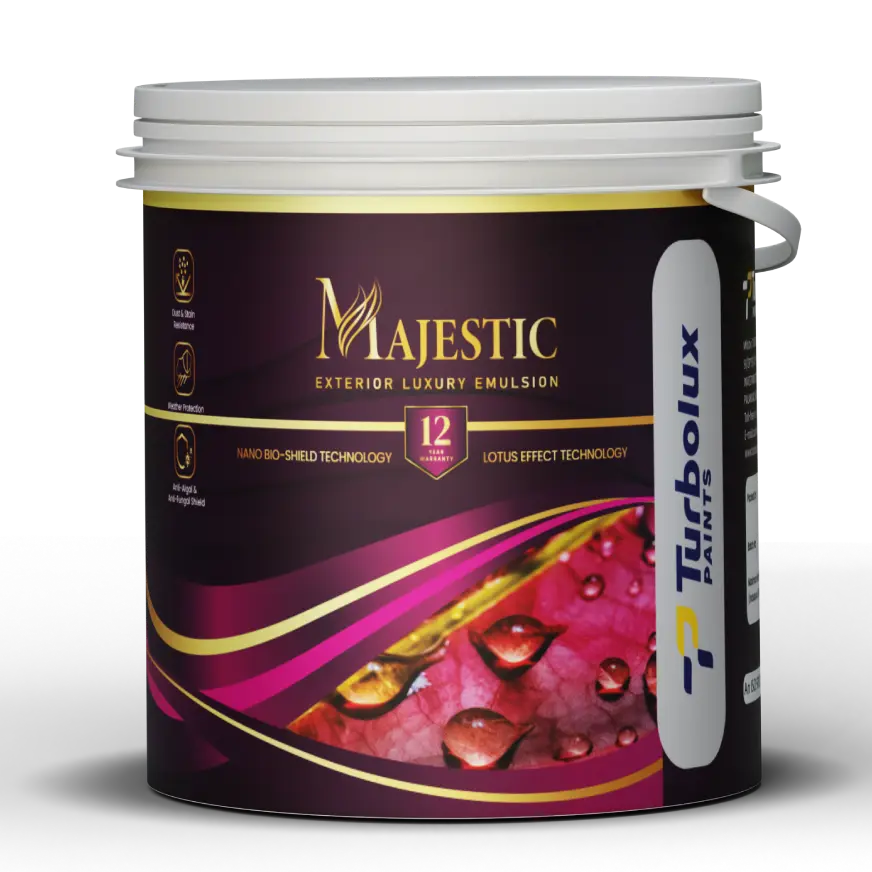
Lotus Effect self-cleaning, Nano Bio-Shield and a crack-resistant film.
12-Year WarrantyView Majestic →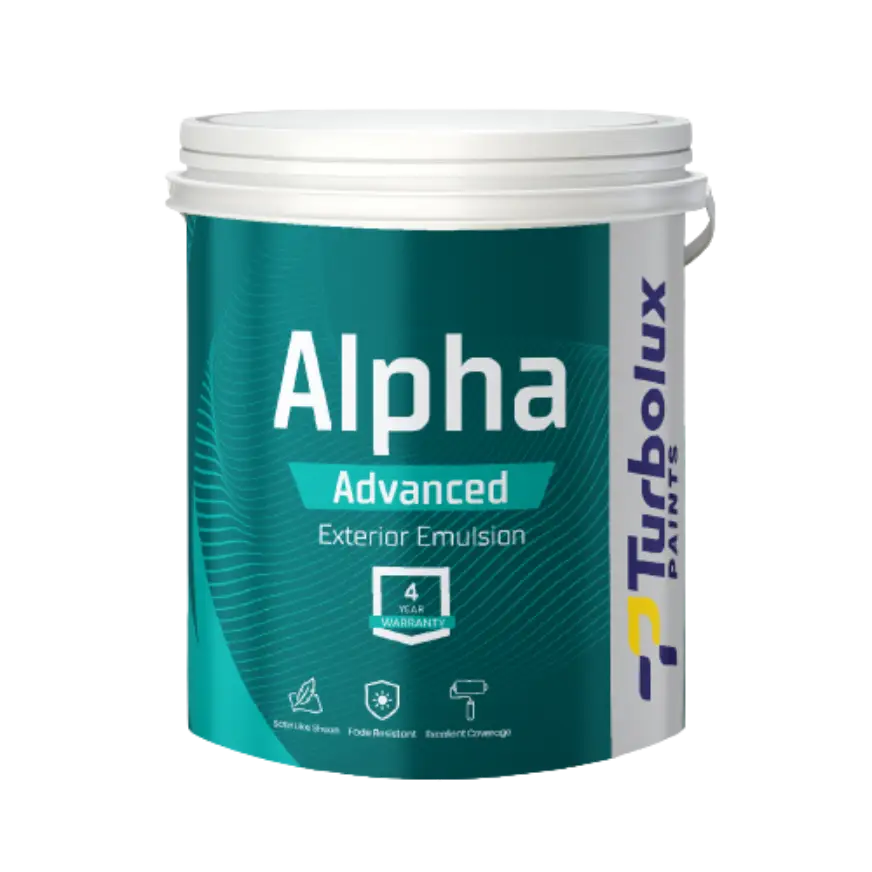
Satin-sheen weather protection with over 1200 shades.
4+ Year WarrantyView Alpha Advanced →Want to go deeper on the water versus solvent question? Read our guide on water-based vs oil-based paint, and if you are comparing brands see our 2026 exterior paint brand comparison.
Frequently asked questions
Can I use enamel paint on exterior walls?
It is not recommended. Enamel dries into a rigid, sealed film that cannot flex with a large wall or let trapped moisture escape, so it tends to crack, blister and peel outdoors. Use acrylic exterior emulsion on walls and keep enamel for metal and wood.
Is acrylic paint waterproof?
Quality exterior acrylic emulsion is highly water-resistant and sheds rain while still letting the wall breathe. For walls with active dampness or seepage, pair it with a proper waterproofing primer or damp-proof coat first.
Which lasts longer, acrylic or enamel?
On the surface each is designed for, both last well. On exterior walls, acrylic emulsion lasts far longer because it flexes and breathes. On metal gates and grilles, enamel lasts longer because of its hard, sealed gloss.
Can I apply acrylic emulsion over an old enamel wall?
Yes, but the glossy enamel must be sanded to a dull, keyed surface and primed first, otherwise the emulsion will not grip properly. On plaster it is best to remove failing enamel and start with a fresh primer.
Does enamel smell go away?
The strong solvent smell fades as the film cures, usually over a few days with good ventilation. Acrylic emulsion has very little odour and is the better choice for interiors and enclosed spaces.
Not sure which finish your home needs?
Get walls, gates and trim matched to the right Turbolux paint for Kerala weather.
Find your Turbolux paint →Made in Kerala for Kerala’s climate.