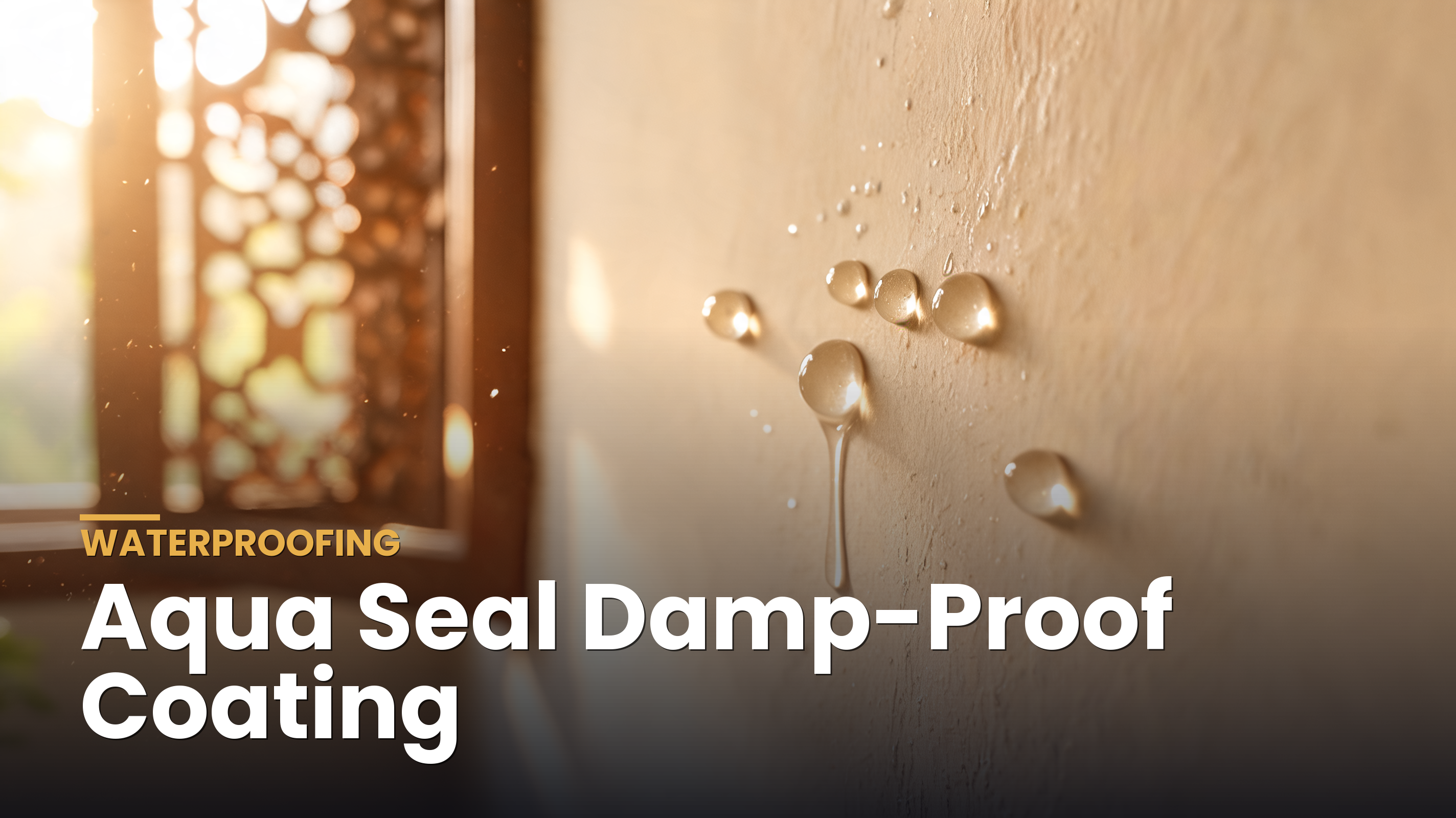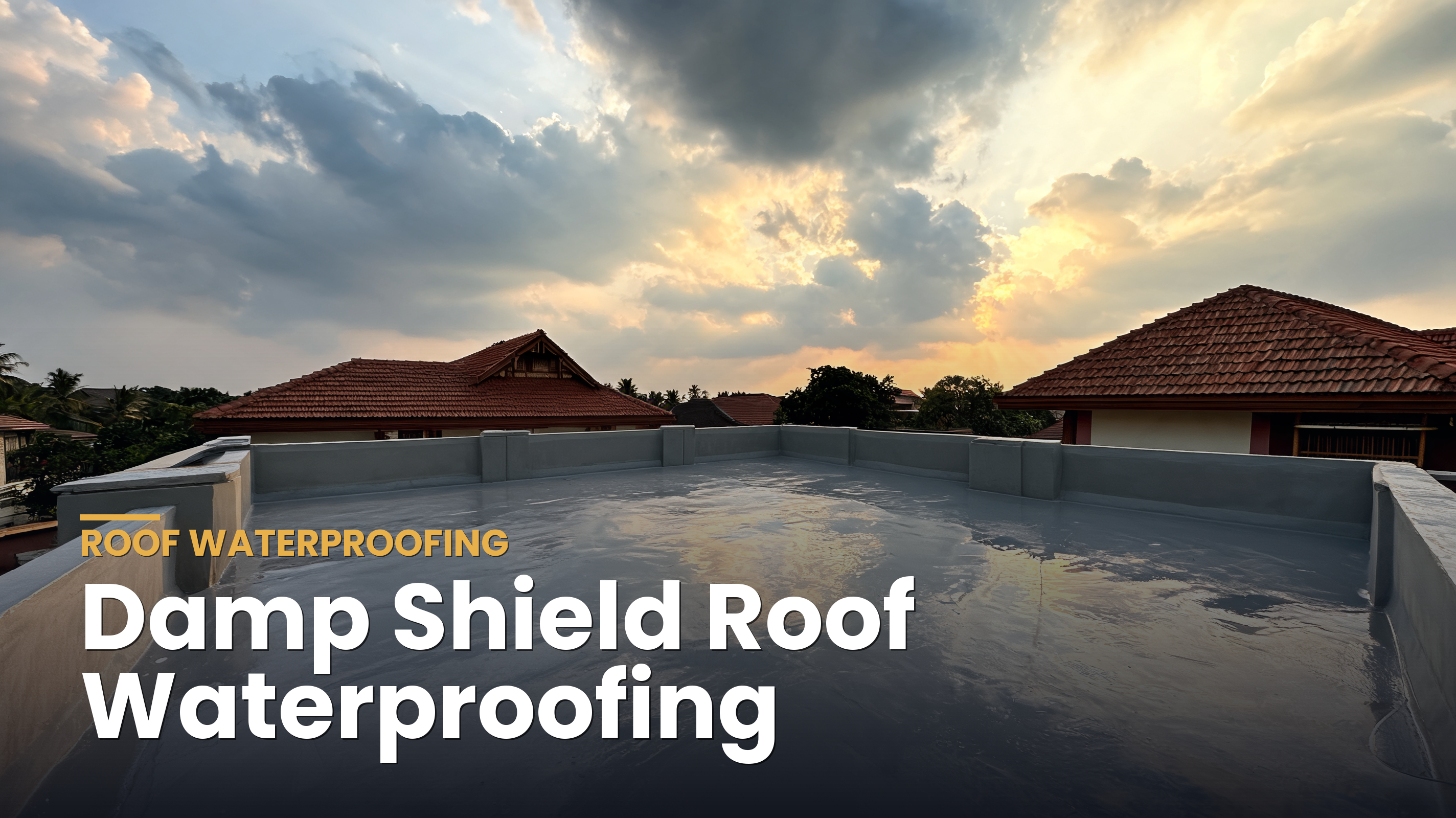
Steam, splashes and poor airflow make bathrooms the dampest room in the house. Here is how to keep walls and ceilings mould-free.
Short answer: The best paint for bathroom walls and ceilings is a washable, anti-fungal interior emulsion applied over a damp-proof primer. In a humid Kerala bathroom, seal the wall first with a damp-proof barrier like Aqua Seal, then finish with a smooth, wipeable emulsion such as Dew. This combination resists the steam, splashes and mould that ruin ordinary distemper and low-grade paint within a year.
Why do bathrooms need a special paint?
A bathroom is the most demanding room in any Kerala home. Hot showers fill it with steam, walls take constant splashes, and airflow is usually poor. That moisture soaks into the paint, and warm damp walls are exactly where mould and black spots grow. Ordinary interior paint and distemper simply cannot cope: they soften, stain, peel and grow fungus. You need a paint system designed to repel water and resist fungal growth, on both walls and the ceiling, which often suffers the worst condensation.
What should you look for in bathroom paint?
Four things separate a bathroom-ready finish from ordinary emulsion:
Damp resistance: the surface must block moisture rather than absorb it. Anti-fungal protection: stops mould, mildew and black spots taking hold. Washability: a smooth film you can wipe clean of splashes and soap marks. Good adhesion over a sealed base: paired with a damp-proof primer so moisture cannot lift it from behind.
What is the best paint combination for a bathroom?
Think of it as two layers doing two jobs: a damp-proof barrier underneath and a washable, anti-fungal finish on top.
| Layer | Product | Job |
|---|---|---|
| Base / primer | Aqua Seal | Nano-Polymer damp-proof, salt-resistant barrier that stops moisture from behind |
| Topcoat | Dew | Smooth, washable interior emulsion with a silky matte finish for walls and ceiling |
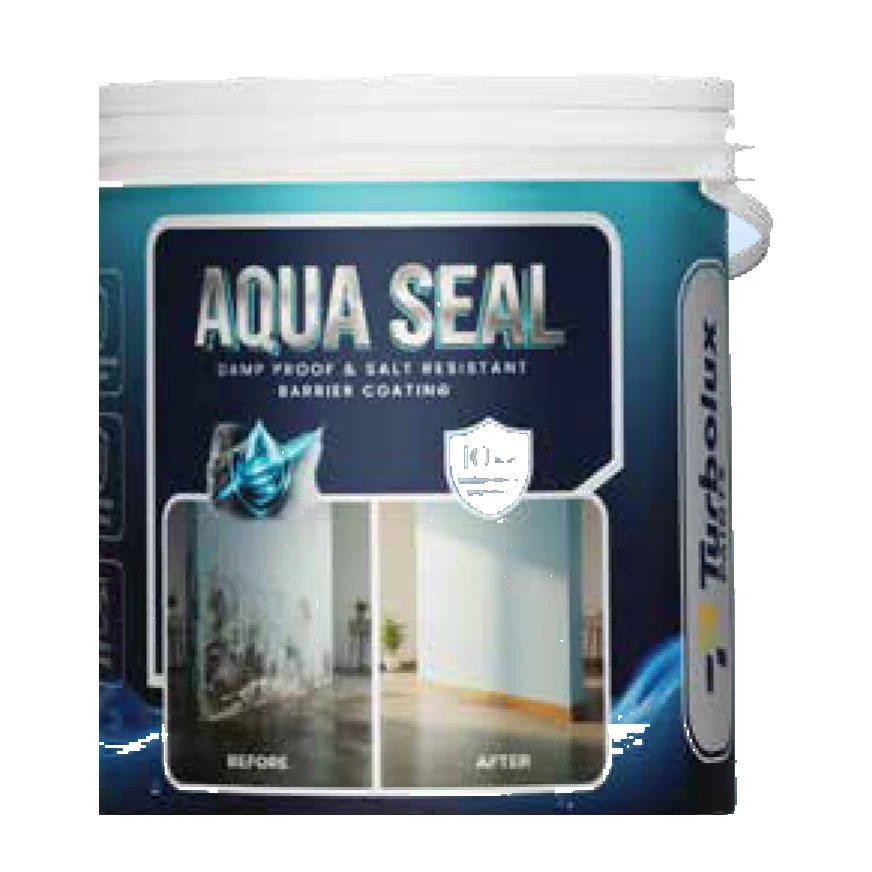
Nano-Polymer damp-proof and salt-resistant barrier that seals bathroom walls before painting.
10-Year WarrantyView Aqua Seal →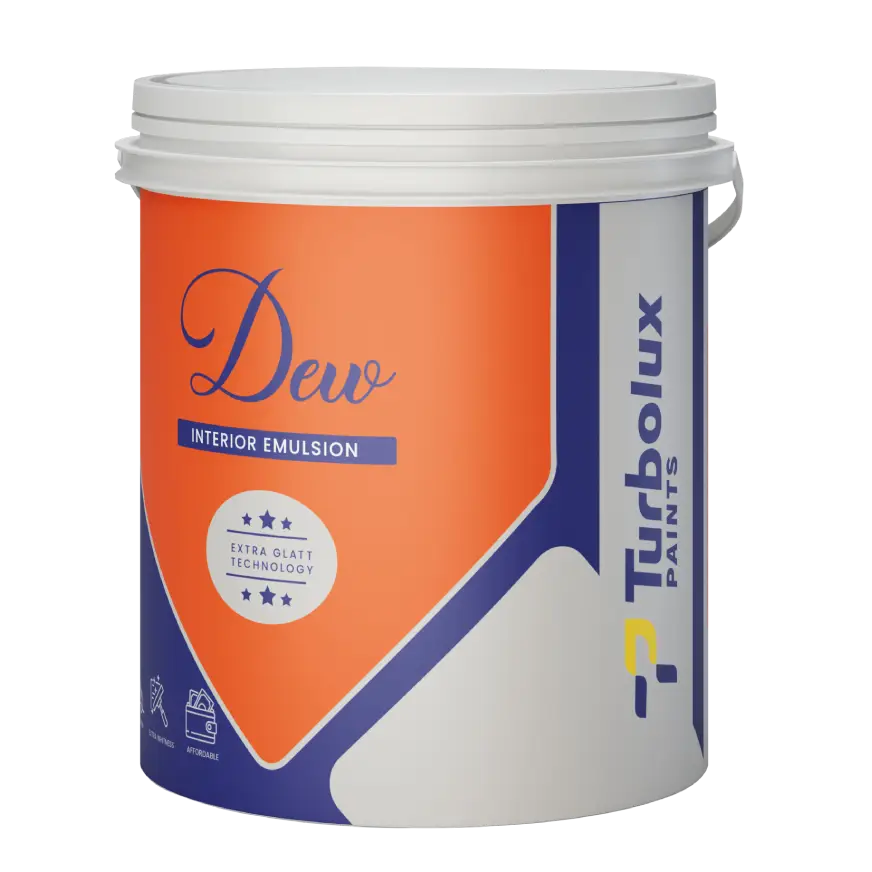
A smooth, washable interior emulsion with GLATT technology, easy to wipe clean.
Silky Matte FinishView Dew →How do you paint a bathroom so it stays mould-free?
Step 1: Treat existing mould. Scrub off any black spots and fungus, and let the wall dry completely. Step 2: Seal with a damp-proof primer. Coat walls and ceiling with Aqua Seal to block moisture from behind. Step 3: Apply two coats of a washable emulsion, letting the first dry fully. Step 4: Do not forget the ceiling, which collects the most condensation. Step 5: Improve airflow. An exhaust fan or open window after showers keeps the room drier and the paint lasting longer.
If black spots keep returning, the cause is deeper moisture. Read our guide on stopping wall dampness and seepage to fix it at the source.
Frequently asked questions
What kind of paint is best for a bathroom?
A washable, anti-fungal interior emulsion over a damp-proof primer. In humid Kerala bathrooms, seal the wall with Aqua Seal first, then finish with a wipeable emulsion like Dew for the best protection against steam and mould.
Can I use normal wall paint in a bathroom?
It is not recommended. Ordinary interior paint and distemper absorb moisture, soften and grow mould in a bathroom. A damp-proof and washable system lasts far longer and stays cleaner.
How do I stop mould coming back on bathroom walls?
Treat existing mould, seal the wall with a damp-proof primer, use an anti-fungal washable topcoat, and improve ventilation. Persistent mould usually means moisture is entering from behind the wall, which needs sealing at the source.
Should I paint the bathroom ceiling too?
Yes. The ceiling collects the most condensation from steam and is often where mould starts. Use the same damp-proof and washable system on the ceiling as on the walls.
Is anti-damp paint worth it for bathrooms?
Absolutely. The small extra cost of a damp-proof primer and a quality emulsion saves you from repainting a stained, peeling bathroom every year, and keeps the room healthier.
Keep your bathroom fresh and mould-free
A damp-proof base and a washable finish is all it takes to beat steam, splashes and black spots.
Find your Turbolux paint →Made in Kerala for Kerala’s climate.