
How to repaint a shop in phases, overnight or section by section, without losing a week of trade.
Short answer: To repaint a shop without closing, split the work by area and do it in phases: one wall or one section per night or per slow day, with stock moved aside and returned before opening. Use fast-drying water-based emulsion, finish each section completely before opening, and do the noisy, dusty preparation after closing hours. The shop front and shutter are the only parts that genuinely need the shutter down overnight.
For a small retailer, three closed days can cost more than the entire paint job. In most shops the work can be split so that the shop trades normally throughout, at the cost of a slower schedule.
Can a shop be painted while open?
Mostly, yes, if three conditions hold: the paint is water-based and low odour, each section can be finished and cleared before opening, and the dusty preparation work happens outside trading hours. What cannot be done while trading is sanding, scraping old paint, or any work overhead on the ceiling above the display.
| Task | While open? | Note |
|---|---|---|
| Scraping and sanding | No | Dust gets into stock and open devices |
| Priming one wall | Possible | Low odour, fast drying |
| Painting one wall | Possible | Keep customers to the other side |
| Ceiling | No | Overhead work above displays and customers |
| Shutter | No | Must stay rolled down overnight |
| Shop front | Partly | Can be done during the day from outside |
How do I split the work?
- Divide the shop into four zones: back wall, left wall, right wall and ceiling.
- Do the back and side walls one at a time, on your slowest days of the week.
- Move stock from one zone to another rather than out of the shop.
- Finish each wall completely, including the second coat, before reopening that zone.
- Keep the ceiling and the shutter for a single closed day or a holiday.
- Do the shop front on a dry day, working from outside during trading hours.
What has to be done after hours?
- All scraping, sanding and surface repair.
- Any work on the ceiling.
- The rolling shutter, which needs to stay down until dry.
- Heavy furniture or rack moves.
- Final touch-ups, which are best done with no customers in the shop.
Water-based emulsion is usually touch dry within an hour or two and recoatable in four to six hours, which is what makes an overnight phase realistic. Enamel on a shutter takes longer, which is why the shutter is the one job that needs a full closed night.
How do I protect stock and displays?
- Photograph every display and shelf before moving anything, so it can be rebuilt exactly.
- Move stock to the opposite zone and cover it with plastic sheeting taped at the edges.
- Take handsets, open devices and loose accessories out of the room entirely during preparation.
- Mask glass counters, sockets, switches and the signboard edge properly rather than wiping afterwards.
- Keep a clear customer path from the door to the counter at all times.
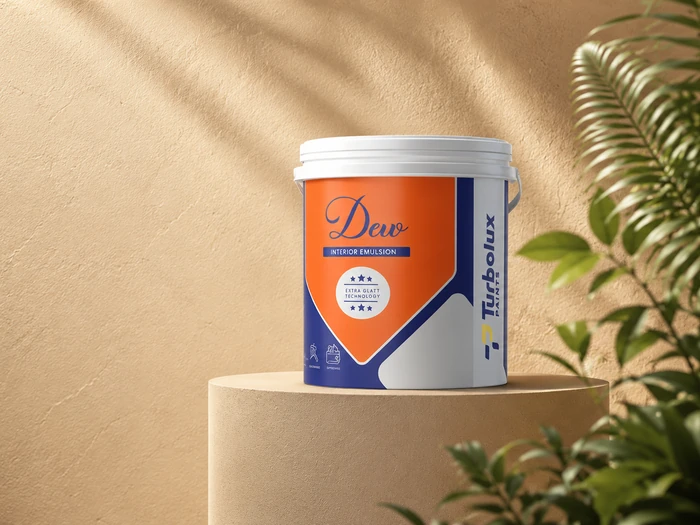
An interior emulsion with excellent whiteness and a soft sheen, made with GLATT Technology.
Interior sheen · Tinted at your dealerView Dew →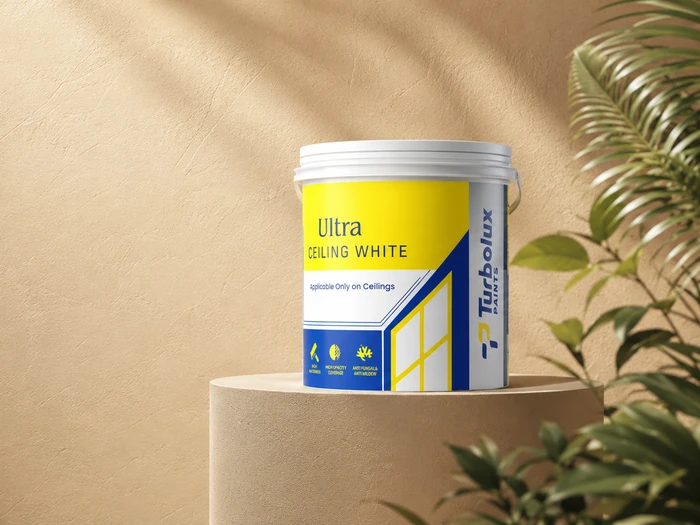
A bright white ceiling paint made with Eightling Technology for a clean, even finish overhead.
Ceiling · Bright whiteView Ultra Ceiling White →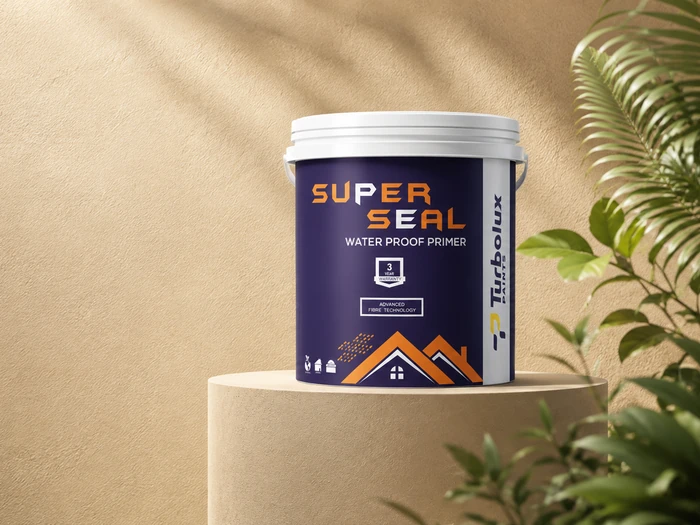
An acrylic primer with fibre technology that resists alkali, damp and efflorescence and lifts topcoat coverage by 15 to 20%.
Primer · Anti-alkaliView Super Seal →What are the trade-offs?
| Approach | Trading days lost | Total duration | Finish quality |
|---|---|---|---|
| Full closure | 3 to 4 | 4 to 5 days | Best, one continuous job |
| Phased by wall | 0 to 1 | 2 to 3 weeks | Good, if each wall is finished properly |
| Overnight only | 0 | 2 to 4 weeks | Good, but slow and tiring |
| Weekend only | 0 | 3 to 5 weeks | Good, with careful edge joins |
The one real quality risk in phased work is the join between sections painted on different days. Always finish a wall corner to corner in one session, never stop halfway across a wall, and the joins will not show.
Related: how much paint a small shop needs and shop front and shutter painting.
Frequently asked questions
Can I paint my shop without closing it?
Mostly yes, if you work zone by zone with fast-drying water-based paint and keep sanding and ceiling work to after hours.
How long does water-based emulsion take to dry?
Usually touch dry in one to two hours and recoatable in four to six, which makes overnight phases realistic.
Which shop painting jobs need the shop closed?
Sanding and scraping, ceiling work, and the rolling shutter, which must stay down overnight.
How do I stop paint joins from showing?
Always finish a wall corner to corner in one session, and never stop partway across a wall.
How long does phased shop painting take?
Two to four weeks of evenings or slow days, compared with four to five days for a full closure.
Repaint without the shutters down
Visit your nearest Turbolux dealer for fast-drying, low-odour emulsions.
Find a Turbolux dealer →90728 26662 · [email protected] · Happy walls in just a stroke.