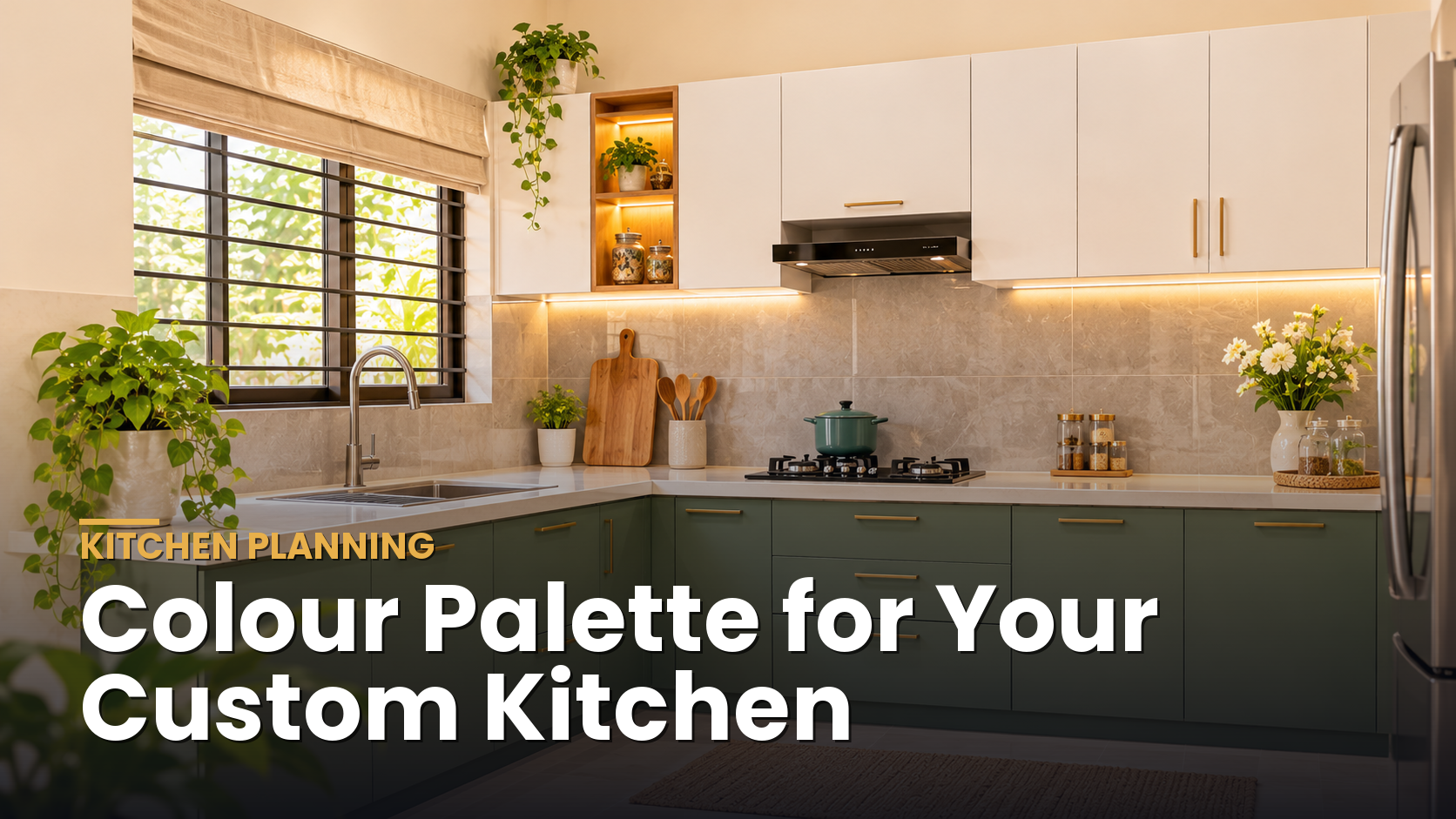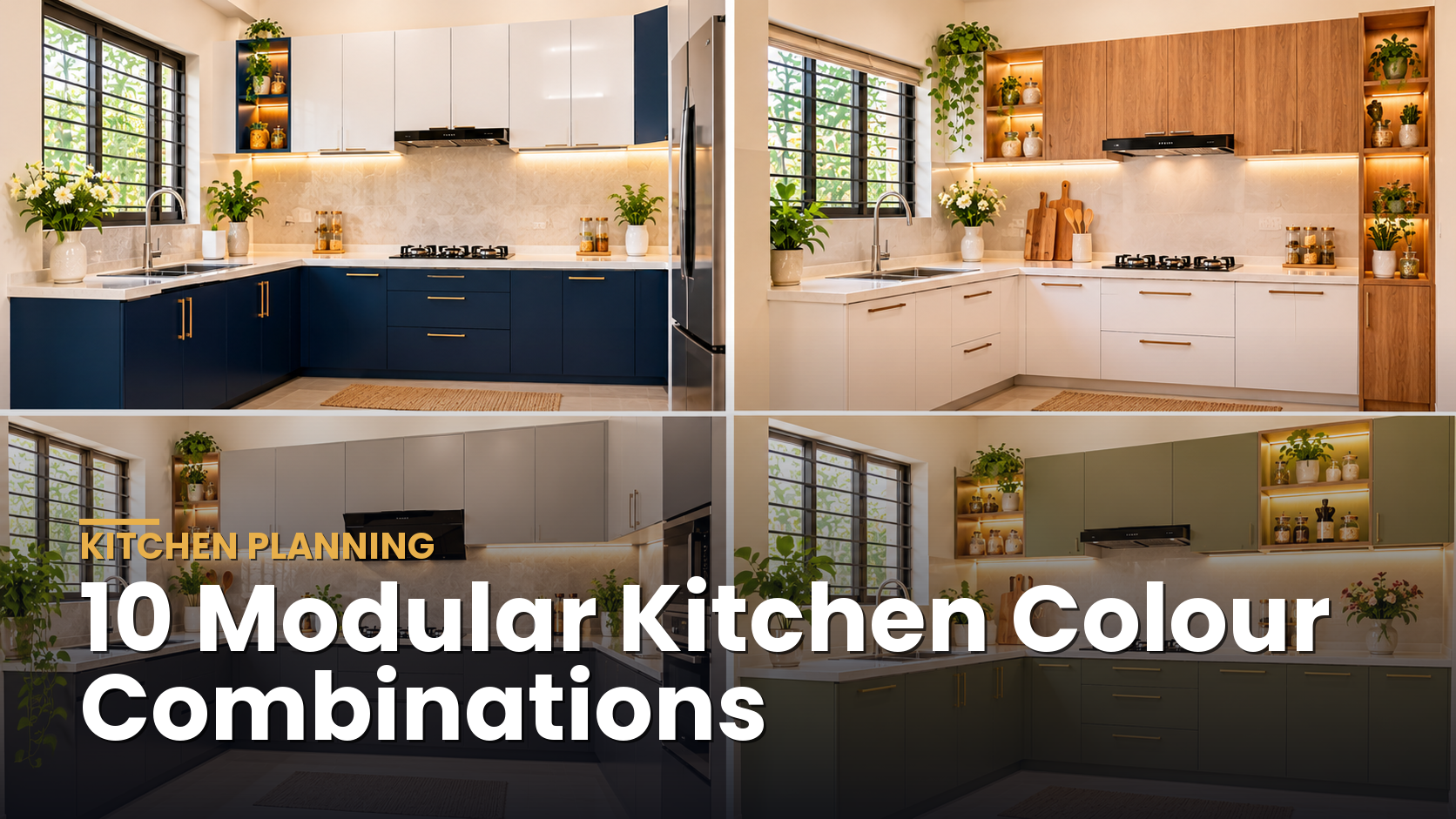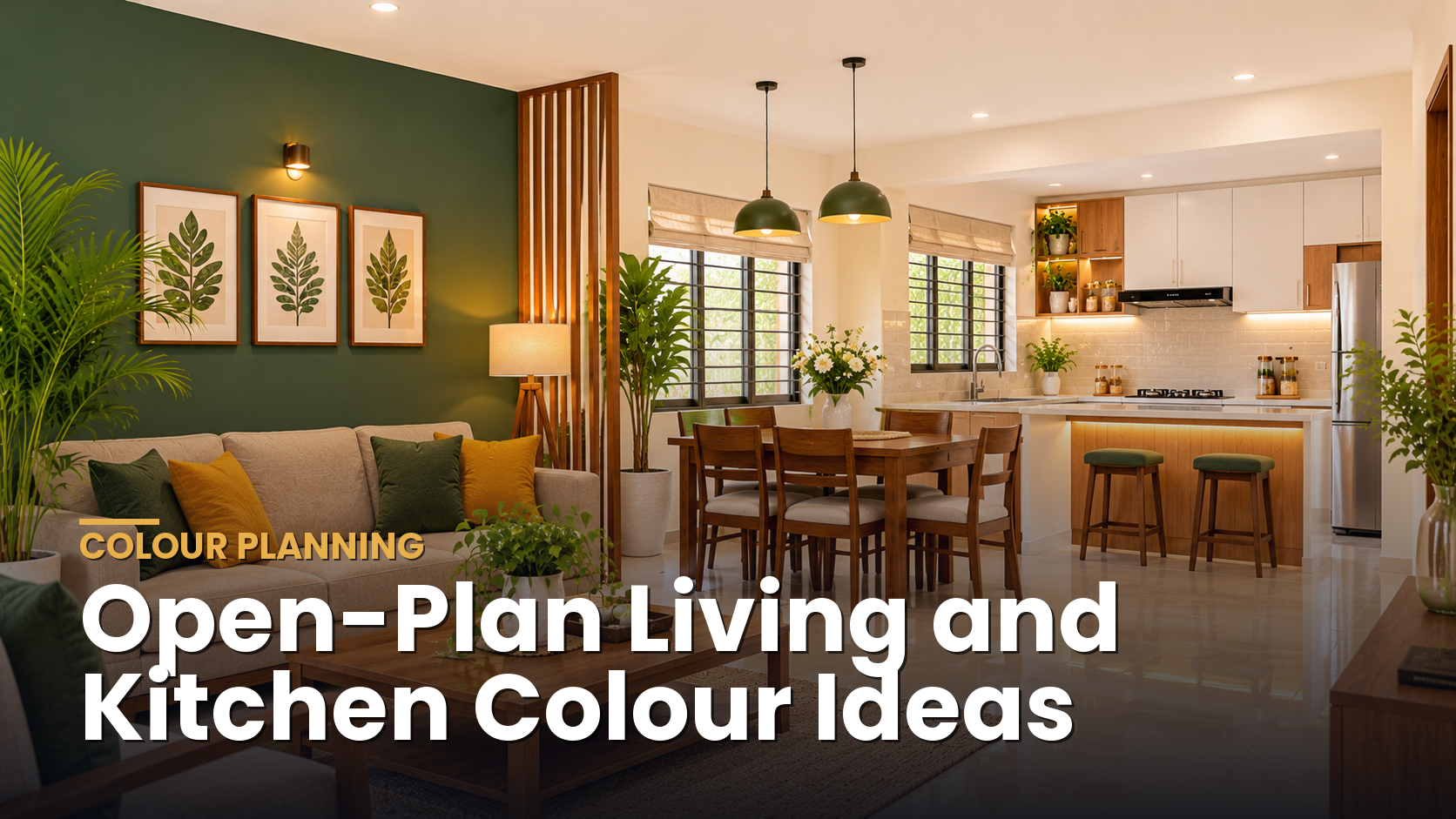
How to connect colours across living room, dining, bedrooms, kitchen and corridors so the whole house feels designed, not patchy.
Short answer: To make colours flow from room to room, use one main neutral in all connected spaces such as the living room, dining area and corridors, then give each private room one supporting colour from the same palette. Repeat accent colours in small doses across rooms, keep ceilings the same white, and change colours at natural breaks such as door frames and corners.
Open plans, wide doorways and long corridors mean you often see two or three rooms at once. If each was painted on its own, the view can feel busy. These rules make colours link together naturally.
Why does colour flow matter?
When colours are linked, the eye moves smoothly through the home, and the house feels larger and calmer. Without flow, a bright red dining wall next to a cool blue living room and a yellow corridor can feel chaotic, even if each room looks nice on its own.
Which rooms should share colours?
| Space | Suggested approach |
|---|---|
| Living, dining and corridors | Same main neutral; they are seen together |
| Open kitchen | Main neutral on walls, colour on cabinets |
| Bedrooms | Main neutral plus one supporting colour each |
| Bathrooms | Light neutral or soft supporting colour |
| Pooja room | Warm accent from the palette |
Think about sight lines. Stand at the main door and look in: whatever you can see at once, such as the sit-out, living room, dining and corridor, should share colours. Rooms behind closed doors, like bedrooms and bathrooms, can be more individual.
Floors and wood also help with flow. If your floor tile and door wood are the same throughout, they already connect the house, and your wall palette only needs to work with them.
Where should one colour stop and another start?
- At inside corners, not in the middle of a wall.
- At door frames and arches.
- At a change of ceiling height or a beam.
- At the edge of an alcove or niche.
Never stop a colour on an outside corner where the wall wraps round, because the edge looks unfinished. For tips on clean lines see TV wall painting ideas.
How do I repeat accents across rooms?
Repeating an accent ties the house together. If you use dark teal on the living room feature wall, repeat it on a bedroom door, cushions in the guest room or a planter on the balcony. The eye picks up the link even across rooms.
| Accent | Living room | Elsewhere |
|---|---|---|
| Dark teal | Feature wall | Main door, bedroom headboard wall |
| Mustard | Cushions | Dining wall, kitchen chairs |
| Terracotta | Pots, rug | Sit-out wall, pooja room |
Can you show a sample whole-house plan?
| Room | Walls | Accent |
|---|---|---|
| Living and dining | Warm misty white | Dark teal feature wall |
| Corridor | Warm misty white | None |
| Master bedroom | Warm misty white | Soft green wall behind bed |
| Kids’ room | Warm misty white | Soft sky blue wall |
| Kitchen | Warm misty white | Teal or green cabinets |
| Pooja room | Warm ivory | Soft mustard back wall |
| Ceilings | Ultra Ceiling White | All rooms |
| Shade | Code · Hex | LRV | Character | Best for |
|---|---|---|---|---|
| Coorg Dawn | TLX-0217 · #F3F1E1 | 87 | Warm misty white | Main neutral |
| Backwater Night | TLX-0798 · #16867E | 19 | Dark teal | Living and doors |
| Paddy Dawn | TLX-0919 · #DCEADD | 79 | Fresh soft green | Master bedroom |
| Malpe Dawn | TLX-0709 · #DEE0ED | 75 | Calm blue-grey | Kids’ or study |
| Kanchipuram Wash | TLX-0147 · #E2C683 | 58 | Soft mustard | Pooja or dining |

An interior emulsion with excellent whiteness and a soft sheen, made with GLATT Technology.
Interior sheen · Tinted at your dealerView Dew →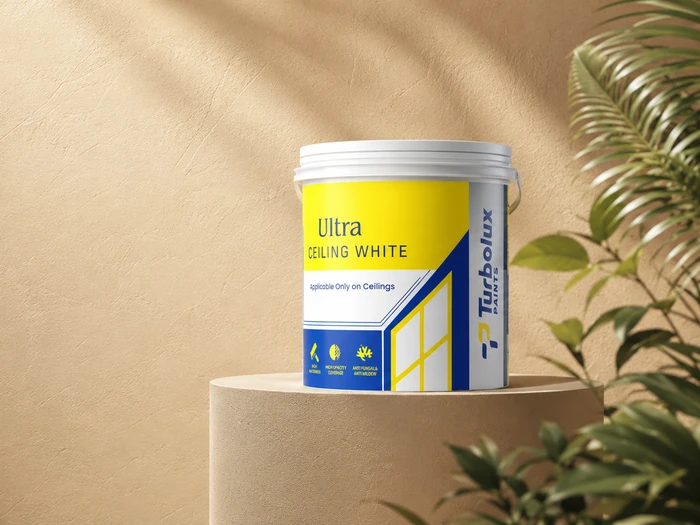
A bright white ceiling paint made with Eightling Technology for a clean, even finish overhead.
Ceiling · Bright whiteView Ultra Ceiling White →Using one interior emulsion such as Dew throughout gives an even sheen, so walls look consistent from room to room. For the full palette method, see how to choose a colour palette for your house.
Exterior colours can join the flow too. A sit-out or entrance painted in a colour that echoes the living room accent makes the transition from outside to inside feel deliberate.
Buying the main neutral for the whole house in one go also saves money and ensures the same batch everywhere.
Frequently asked questions
Should all rooms in a house be the same colour?
Not all, but connected spaces such as living, dining and corridors look best in one main neutral, with each bedroom adding one colour.
How do I make paint colours flow between rooms?
Use one main neutral, repeat accent colours in small doses and change colours at corners and door frames.
Where should I stop a paint colour?
At inside corners, door frames, arches or changes in ceiling height, never at an outside corner.
Should ceilings be the same colour in every room?
Yes, using the same white on all ceilings ties the house together.
Can I use bold colours and still have flow?
Yes. Keep bold colours to one wall or detail per room and repeat them elsewhere in small amounts.
One house, one palette
Plan your whole-house colours with your nearest Turbolux dealer.
Find a Turbolux dealer →90728 26662 · [email protected] · Happy walls in just a stroke.