When primer is essential, when you can skip it, and what happens if you get it wrong.
Short answer: Yes on any bare, new, repaired or previously failed surface. Primer seals porous alkaline plaster, blocks the alkali that would otherwise attack your topcoat, and gives the paint something to grip. Skipping it is the most common reason paint peels within two or three years in Kerala. You can genuinely skip primer only when repainting a sound, clean, previously painted wall in the same colour family. Everywhere else, one coat of primer costs far less than the repaint it prevents.
What does primer actually do?
Contractors sometimes describe primer as an extra coat of white paint. It is not. Primer and topcoat are built to do completely different jobs, and a primer would make a poor finish paint just as a finish paint makes a poor primer.
A primer does four things at once:
- It seals porosity. Fresh plaster and putty are thirsty. Without a sealer they pull binder out of your first coat unevenly, leaving patchy dull areas that extra topcoats never quite even out.
- It resists alkali. Cement plaster is strongly alkaline, often pH 11 to 13 when new. That alkalinity can saponify a topcoat binder, which is what causes those soft sticky patches and colour bleaching people blame on bad paint.
- It builds adhesion. Primer bonds into the substrate and gives the emulsion a consistent surface to key into.
- It saves paint. A litre of primer is cheaper than a litre of premium emulsion, and priming typically cuts topcoat consumption noticeably because you are not feeding a sponge.
When can you skip primer?
There is a narrow but real set of cases where primer adds little.
| Surface | Primer needed? | Why |
|---|---|---|
| New plaster or concrete | Essential | High alkalinity and heavy porosity |
| Fresh putty or filled repairs | Essential | Patch absorbs differently from surrounding wall |
| Wall where old paint peeled or chalked | Essential | Weak substrate needs binding and sealing |
| Bare wood or metal | Essential, use the correct type | Needs a dedicated wood or metal primer system |
| Sound existing paint, similar colour | Optional | Surface is already sealed and stable |
| Sound existing paint, dramatic colour change | Recommended | A tinted or white base cuts the number of topcoats |
The honest rule of thumb: if you can rub the wall with your palm and get powder on your hand, or if any part of it is bare, you need primer. If the existing paint is firm, clean and intact, and you are going from beige to a similar beige, you can go straight to two topcoats.
What happens if you skip it?
Nothing, for about eight months. That is what makes skipping primer so tempting and so costly. The wall looks perfect when the painter leaves, and the problems arrive after the first full monsoon.
Patchy sheen and flashing. Absorbent areas dry duller than sealed ones, so the wall reads blotchy under angled light even though the colour is uniform.
Peeling and flaking. With no proper bond, moisture moving through the wall lifts the film away in sheets. We cover the full diagnosis in why is my paint peeling and flaking.
Alkali burn. Colour fades in irregular patches, most often on newly plastered walls painted too early. Once it starts, the only fix is to strip back and start again with a primer.
Higher paint consumption. Ironically, the money saved on primer usually gets spent on the extra topcoat needed to cover a thirsty wall, so the saving is smaller than it looks even on day one.
Which primer for which surface?
Primers are not interchangeable. Interior and exterior primers differ in film flexibility and weather resistance, and cement primers are formulated specifically for masonry alkalinity.
| Primer type | Use it on | Key property | Recoat time |
|---|---|---|---|
| Interior primer | Indoor plaster, putty, ceilings | Low odour, smooth sealing | 4 to 6 hours |
| Exterior primer | Outside walls before emulsion | Weather and alkali resistance | 4 to 6 hours |
| Cement primer, multi purpose | Walls and roof, budget projects | Works on both faces of the building | 4 to 8 hours |
| Epoxy primer | Metal grills, gates, railings | Corrosion protection and adhesion | 6 to 8 hours |
Which Turbolux primer should you use?
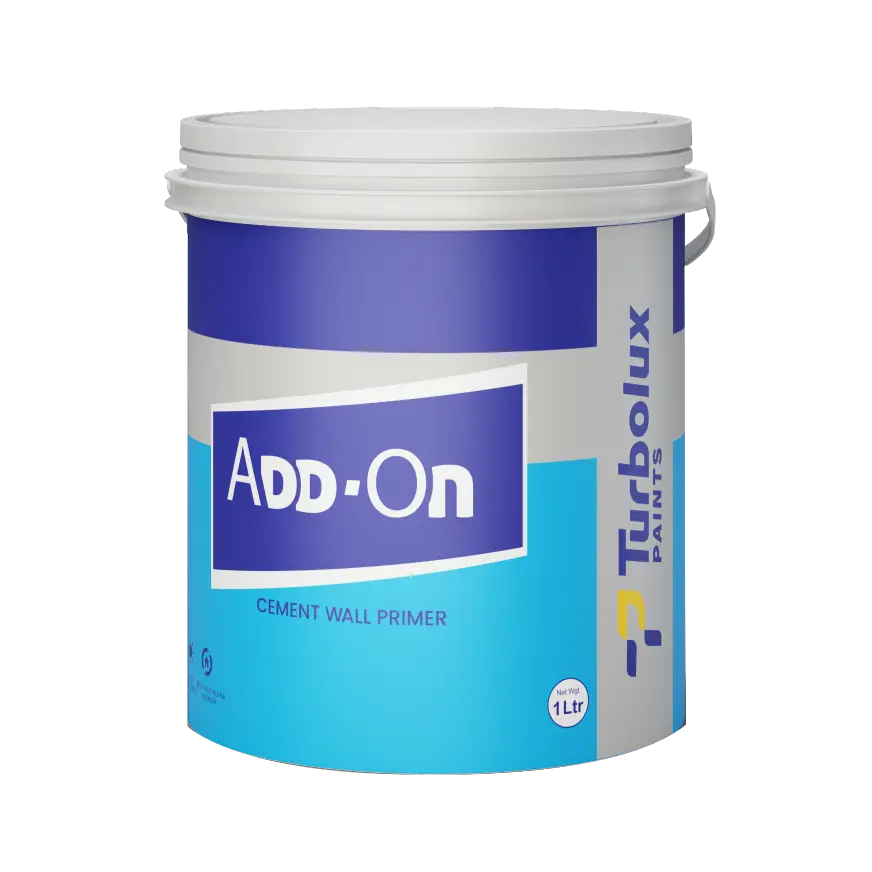
A budget multi purpose cement wall primer that works on walls and roof alike.
Multi-PurposeView Add-On →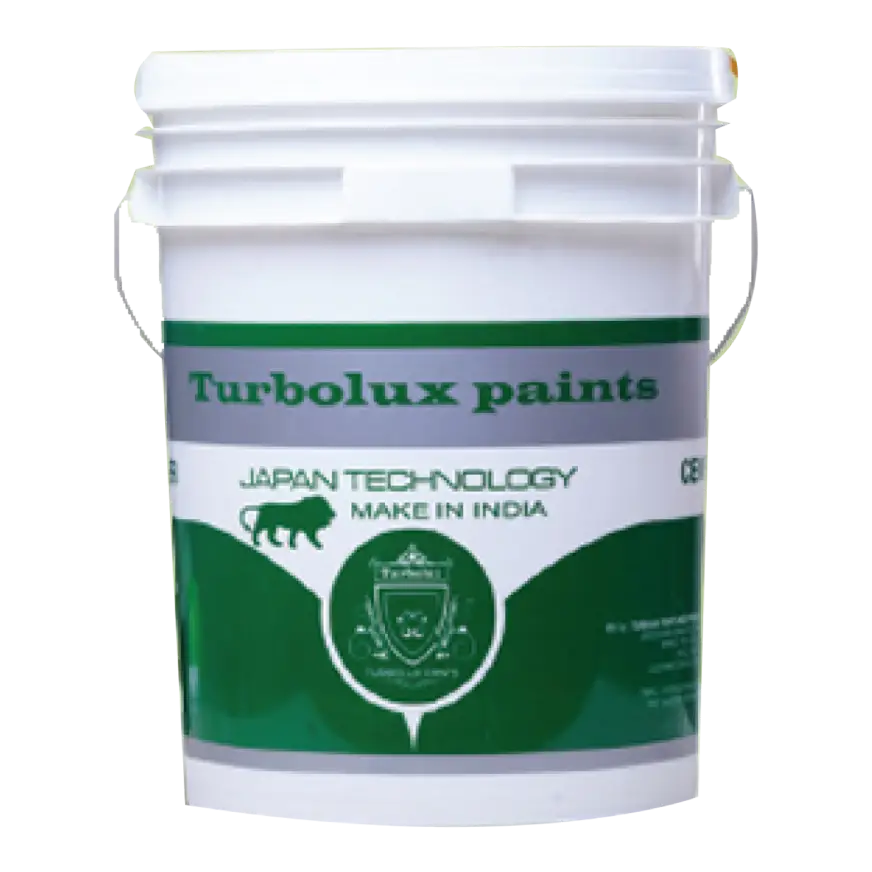
A water based fast drying primer that prepares exterior walls for emulsion.
Fast-Drying UndercoatView Exterior Primer →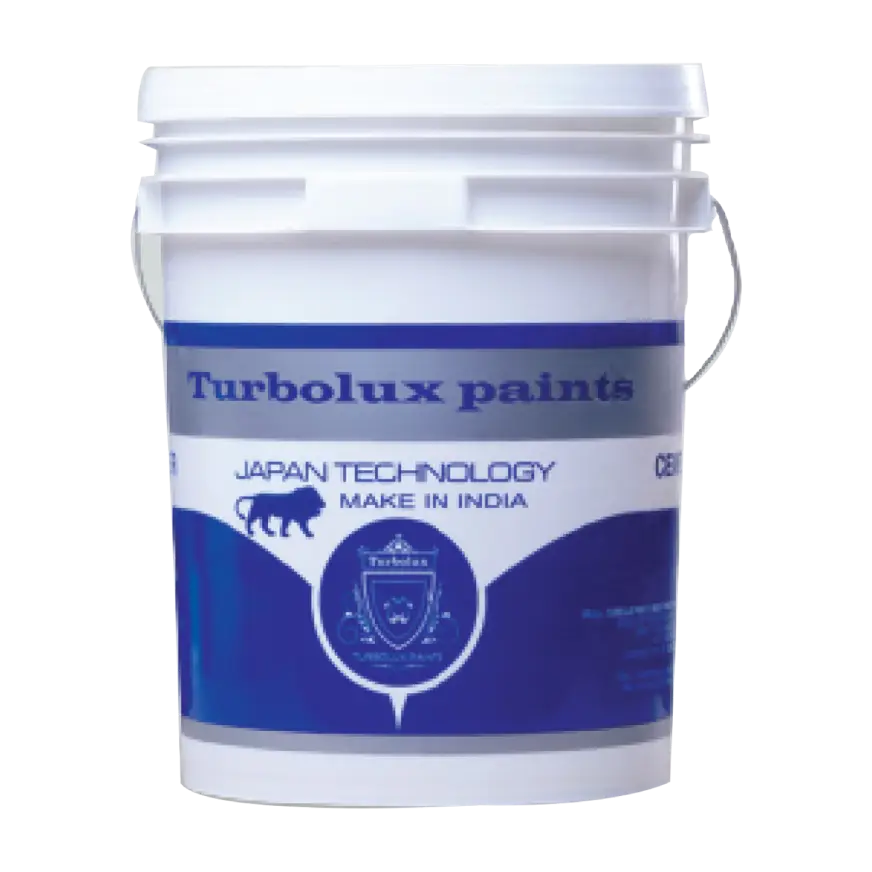
A water based undercoat that improves adhesion and coverage on indoor walls.
Water-Based UndercoatView Interior Primer →How do you apply primer correctly?
- Let plaster cure. Allow 21 to 28 days minimum, longer in continuous rain. Painting green plaster undoes everything else you do well.
- Clean the surface. Remove dust, loose material, oil and any algae. Scrape back all flaking paint to a firm edge.
- Fill and sand. Repair cracks and dents, then sand smooth. Putty over primer or under it depending on the system, but always prime bare patches before topcoat.
- Thin only as directed. Usually 30 to 50 percent water for a water based primer. Over thinning turns primer into tinted water and it stops sealing.
- Apply one even coat. Two coats on very porous or repaired surfaces.
- Respect recoat time. Four to six hours in normal weather, longer during monsoon. Rushing the topcoat traps moisture under the film.
If you are starting a whole house from scratch, our new home painting checklist puts these steps in sequence with everything else.
Frequently asked questions
Is primer necessary before painting walls?
On bare, new, repaired or previously failed surfaces, yes. Primer seals porosity, resists the alkalinity of cement plaster and builds adhesion. You can skip it only on a sound, clean, previously painted wall going to a similar colour.
Can I use white paint instead of primer?
No. Emulsion is formulated to sit on top of a sealed surface, not to seal one. It does not resist alkali the way a primer does, and using it as a base costs more while performing worse.
How many coats of primer do I need?
One even coat is standard. Use two on very porous new plaster, on heavily repaired areas or where the wall previously chalked, since those surfaces will absorb the first coat almost completely.
How long should primer dry before painting?
Four to six hours in normal Kerala weather. During heavy monsoon or in poorly ventilated rooms, allow overnight. The surface should feel completely dry and not cool to the touch before the topcoat goes on.
Can I use the same primer inside and outside?
A multi purpose cement primer such as Add-On can serve both. For best long term results use a dedicated exterior primer outdoors, since it is built for weather exposure, and an interior primer indoors for lower odour and a smoother base.
Not sure which primer your walls need?
Tell us the surface, its age and its condition, and we will tell you exactly what to put down first.
Find your Turbolux paint →Made in Kerala for Kerala’s climate.