Why black spots appear on indoor walls, and the paint solutions that keep them away.
Short answer: Black spots and mould indoors are caused by damp, not by dirty paint. Moisture from seepage, condensation or poor ventilation feeds mould on the wall surface. To fix it for good, find and stop the moisture source, clean and treat the affected area, seal the wall with a damp-proof coat like Aqua Seal, and finish with a washable, antimicrobial interior emulsion such as Dew. Painting over mould without stopping the damp only hides it for a few weeks.
Why do black spots and mould appear on indoor walls?
Mould is a living growth that needs one thing: moisture. In Kerala’s humid, high-rainfall climate, walls pick up moisture from three main sources. Seepage brings water in through the wall from outside, often from an exterior crack, a leaking pipe or rising damp. Condensation forms when warm, moist indoor air meets a cooler wall, common behind cupboards and in bathrooms. Poor ventilation traps that humid air so it never dries out. Give mould any of these and dark spots appear, usually first in corners, near ceilings and behind furniture where air does not move.
Where does it usually show up?
Look at ceiling corners, the top of exterior-facing walls, around window reveals, behind wardrobes and in bathrooms. These are the coolest, least ventilated, most moisture-exposed spots in the house, so they are where mould starts. If the black spots sit on an exterior-facing wall, suspect outside seepage. If they are around a bathroom or kitchen, suspect condensation and airflow.
How do you fix mould on walls properly?
Treat the cause, then the surface, then protect it.
| Step | What to do |
|---|---|
| 1. Stop the moisture | Fix leaks, seal exterior cracks, and improve airflow. This is the step people skip, and it is the most important. |
| 2. Clean the mould | Scrape off loose, flaking paint and clean the black growth off the surface. Let the wall dry fully. |
| 3. Seal the wall | Apply a damp-proof barrier coat so residual moisture cannot push through again. |
| 4. Repaint | Finish with a washable, antimicrobial interior emulsion so the surface resists new growth. |
Which paint solutions actually work?
Paint cannot cure a leak, but the right system stops mould returning once the moisture is handled. Aqua Seal is a nano-polymer damp-proof, salt-resistant barrier that seals the wall against moisture pushing through from behind. Over it, Dew gives a smooth, washable interior finish that wipes clean and resists surface growth, keeping rooms fresh.
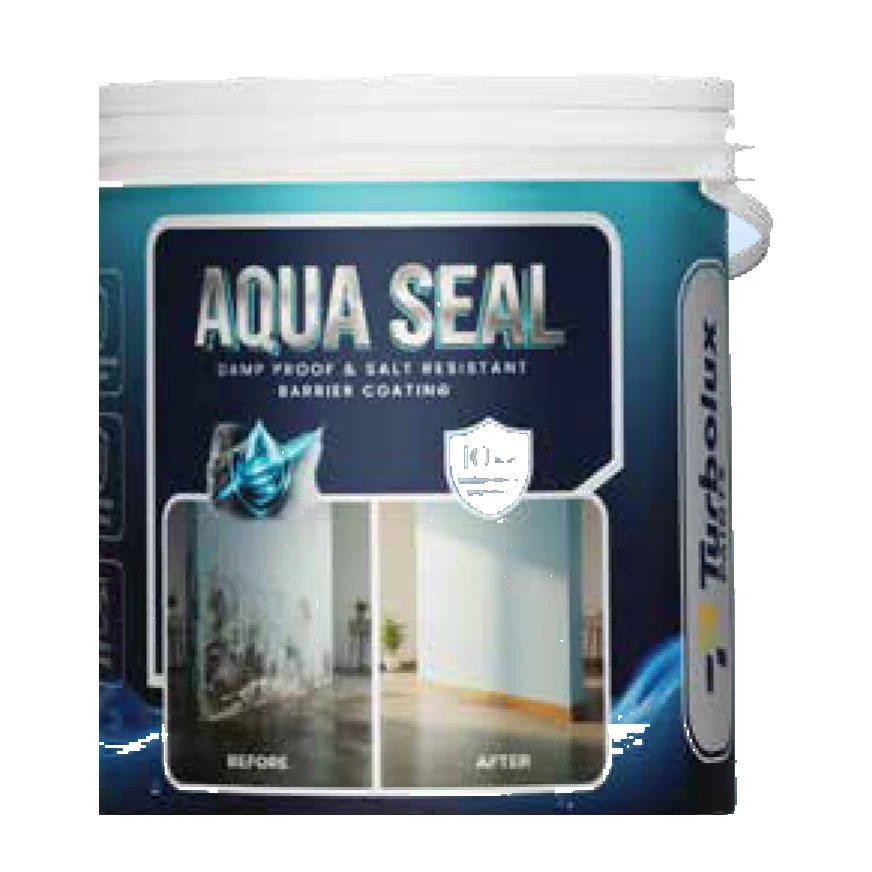
Nano-Polymer damp-proof and salt-resistant barrier coating.
10 Year WarrantyView Aqua Seal →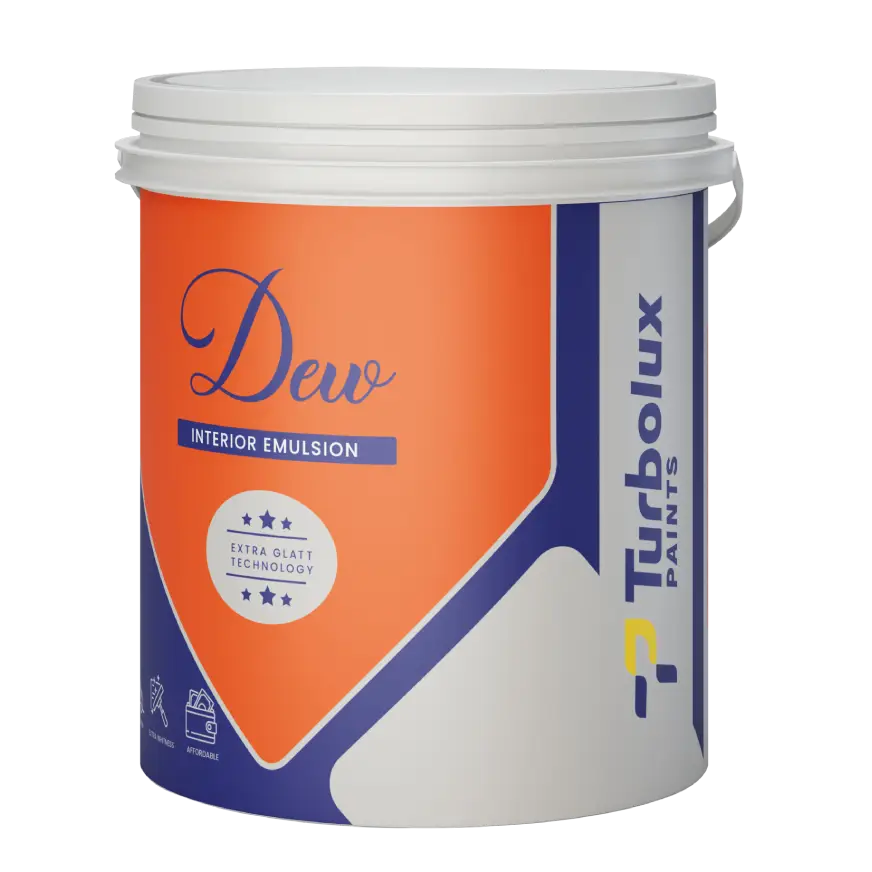
A smooth, washable interior emulsion with GLATT technology.
Silky Matte FinishView Dew →How do you prevent it coming back?
Keep rooms ventilated, let light in, pull furniture a little off exterior walls, and fix any outside seepage before the monsoon. For damp on exterior-facing walls, tackle it at the source too: read how to stop wall dampness and seepage before the monsoon and the best paint for bathroom walls and ceilings.
Frequently asked questions
Can I just paint over black mould?
No. Painting over mould without stopping the moisture and cleaning the surface only hides it, and the spots return within weeks. Stop the damp, clean the wall, seal it, then repaint.
What paint stops mould on interior walls?
A damp-proof barrier coat like Aqua Seal blocks moisture from behind, and a washable, antimicrobial interior emulsion like Dew resists new surface growth. Together they keep treated walls clean.
Why does mould keep coming back in the same spot?
Because the moisture source is still active. That corner is likely getting seepage, condensation or too little airflow. Fix the cause and the mould stops returning.
Is black mould dangerous?
Persistent indoor mould can affect air quality and is worth removing promptly. Clean affected areas carefully, keep the room ventilated, and address the damp so it does not regrow.
How do I stop condensation mould behind furniture?
Move furniture a few centimetres off exterior walls to let air circulate, improve ventilation, and use a damp-proof and washable paint system on those walls.
Beat black spots for good.
Seal out the damp and finish with a washable Turbolux interior system built for Kerala humidity.
Find your Turbolux paint →Made in Kerala for Kerala’s climate.