Distemper is cheaper on day one, but in Kerala’s damp heat it rarely lasts. Here is why emulsion wins.
Short answer: Distemper is a low-cost, chalk-based wall coating that is not truly water resistant. In Kerala’s humid, high-rainfall climate it soaks up moisture, powders off when you touch it, grows patches, and fades within a year or two. Emulsion is an acrylic water-based paint that forms a flexible, washable, water-resistant film that holds colour for years. For any Kerala home, especially exterior and damp-prone walls, an emulsion like Turbolux Alpha Advanced is the far better value once you count repaints. Distemper only makes sense for a very short-term, low-budget interior job.
What is the difference between emulsion and distemper?
Distemper is an old, budget wall finish made from chalk or lime with a little binder. It sits on the wall as a soft, porous layer. It is cheap and covers quickly, which is why it is still used for tight-budget or temporary jobs, but it was never built to resist water.
Emulsion is a modern water-based paint that uses acrylic binders. As it dries, those binders knit together into a continuous, slightly flexible film that sticks to the wall and repels water. That film is what makes emulsion washable, fade-resistant, and long-lasting. In short, distemper is a powder layer sitting on the surface, while emulsion is a bonded protective skin.
Why does distemper fail in Kerala?
Kerala is one of the toughest climates in India for wall coatings: long monsoons, high humidity almost all year, and coastal salt in many districts. Distemper struggles with every one of these.
Because it is porous, distemper drinks in moisture from damp walls and humid air. That moisture lifts the coating, so it powders and rubs off on your hand and clothes, a problem people call chalking. Damp trapped behind it feeds mould and fungus, leaving dark patches. And with no real binder film, the colour dulls and fades fast. Within a year or two, a distemper wall in Kerala often looks tired, blotchy, and streaked, and washing it only rubs more of it away.
How do emulsion and distemper compare?
| Factor | Emulsion | Distemper |
|---|---|---|
| Water resistance | Water resistant, washable | Poor, absorbs moisture |
| Durability in Kerala | Several years | Often 1 to 2 years |
| Chalking and rub-off | No, film stays put | Yes, powders off |
| Mould and fungus | Resists, especially anti-fungal grades | Prone to patches |
| Colour and fade | Holds colour well | Fades and dulls fast |
| Cleaning | Wipe or wash | Cannot wash |
| Upfront cost | Higher | Lower |
| Cost over years | Lower, fewer repaints | Higher, frequent repaints |
The upfront price of distemper is tempting, but once you add up repainting every year or two, plus the cost of fixing damp and mould it hides, emulsion is usually cheaper over the life of the wall and looks better the whole time.
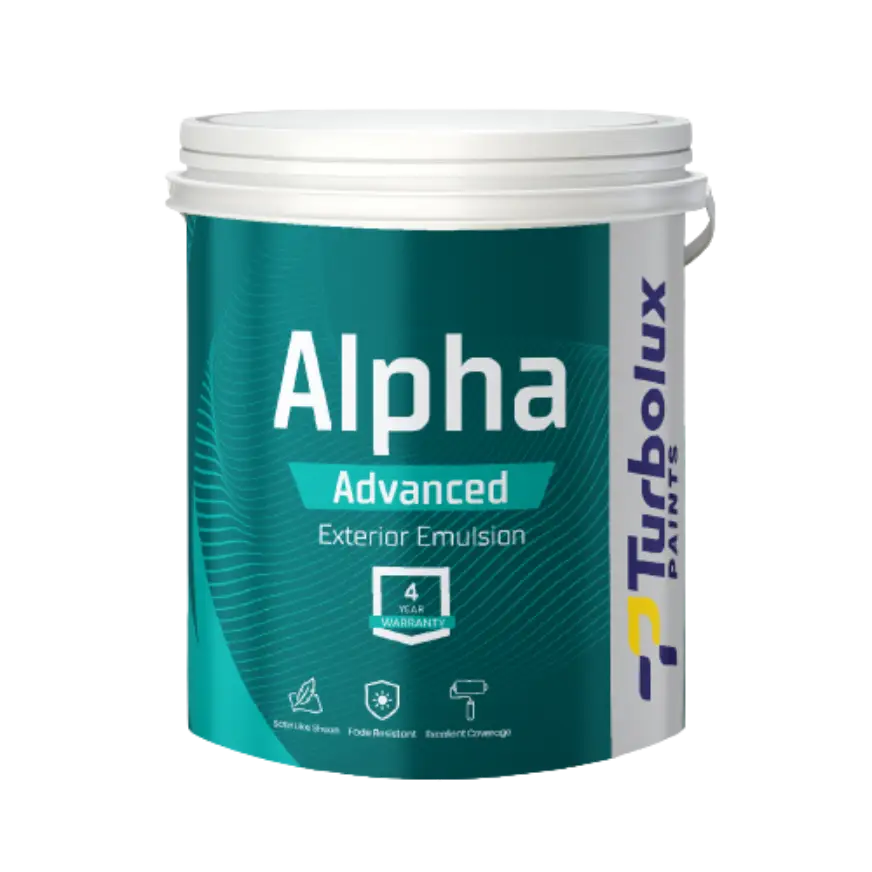
Satin-sheen weather protection with over 1200 shades and a washable, water-resistant film.
4+ Year WarrantyView Alpha Advanced →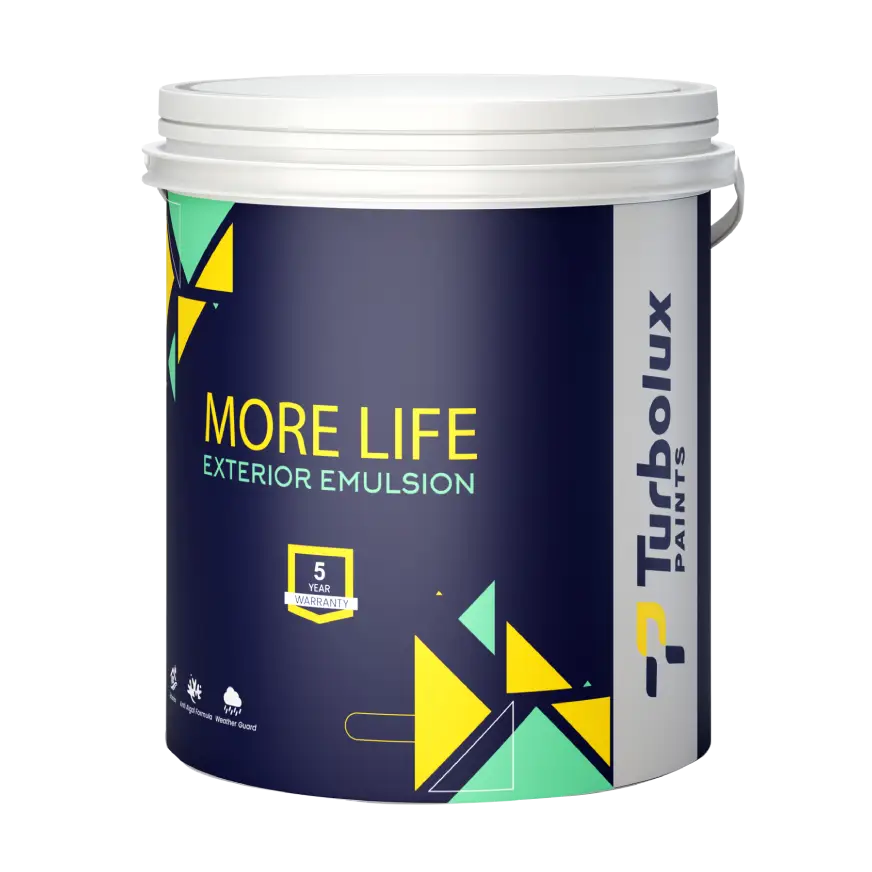
Dirt-proof, scrub-resistant and antimicrobial, made for high rainfall and heat.
5 Year WarrantyView More Life →Does distemper ever make sense?
There are a few narrow cases. If you are painting a rented space you will leave soon, dressing up a wall for a short event, or working to a very tight one-time budget on a dry interior wall, distemper can do a quick cosmetic job. But for anything you want to last, and for every exterior or damp-prone wall in Kerala, it is a false economy. The money you save on the tin, you spend again on repainting and on fixing the damp and mould it masks.
How do you switch from distemper to emulsion?
You cannot simply roll emulsion over old distemper, because the powdery layer underneath will let the new paint peel. Scrape and sand off the old distemper until the wall stops chalking, then wipe away all dust. Repair cracks with wall putty and sand smooth. Apply a suitable primer to seal and bind the surface, then finish with two coats of emulsion. Done properly, the wall is transformed and stays that way for years.
For more on getting walls ready, see our guides on interior wall painting in Kerala homes and why paint peels and flakes.
Frequently asked questions
Can I apply emulsion directly over old distemper?
No. The chalky distemper layer stops the new paint from bonding, so it will peel. Remove the distemper, prime the wall, then apply emulsion.
Is distemper really that much cheaper?
It is cheaper per tin, but it needs repainting every year or two in Kerala. Over a few years emulsion usually costs less because it lasts far longer.
Why does my distemper wall rub off white on my hand?
That is chalking. Distemper has little binder, so as it ages and absorbs moisture the surface powders and comes off on contact. Emulsion does not do this.
Which is better for exterior walls?
Emulsion, without question. Distemper has no real water resistance and will not survive Kerala’s monsoon on an exterior wall. Use a weatherproof exterior emulsion outside.
Does emulsion help with mould?
Yes. A good emulsion, especially an anti-fungal or antimicrobial grade, resists the damp-fed mould that thrives on porous distemper. Fix the damp source too for best results.
Upgrade from distemper
Give your walls a washable, weatherproof finish that lasts through the monsoon.
Find your Turbolux paint →Made in Kerala for Kerala’s climate.