Paint fails on new plaster for one reason: the wall was not ready. Here is the full curing, cleaning and priming sequence that makes paint last.
Short answer: Let new cement plaster cure for 4 to 6 weeks, confirm it is dry and dust-free, sand lightly, repair defects, then apply one coat of cement primer, two coats of wall putty, sand smooth, one more coat of primer, and finally two coats of emulsion. Rushing the curing stage is the number one cause of peeling, efflorescence and patchy colour on new Kerala homes.
Why does new plaster need special preparation?
Fresh plaster is full of water and lime. As the cement hydrates, the wall stays alkaline and keeps pushing moisture to the surface for weeks. Paint applied too early traps that moisture, and the result is blistering, peeling, and the white salt patches called efflorescence. New plaster is also highly porous and slightly dusty, so paint applied without a primer loses its binder into the wall and never forms a proper film. One month of patience and a few hundred rupees of primer protect a paint job worth lakhs.
What will you need?
- Sanding block or 80 to 120 grit paper, and a stiff brush for dust
- Wall putty and a steel putty blade
- Cement primer (interior, exterior, or a multi-purpose primer like Add-On)
- Rollers, brushes, and clean water for dilution
- A simple moisture check: a 1 metre square of plastic sheet and tape
How do you prepare new plaster step by step?
Step 1: Let the plaster cure for 4 to 6 weeks
Cement plaster needs about a month to cure and dry in fair weather, longer during the monsoon. Painting at two weeks because the schedule is tight is how new houses end up peeling in year one.
Step 2: Check the wall is actually dry
Tape a square of plastic sheet tightly to the wall and leave it overnight. Condensation under the plastic in the morning means the wall is still releasing moisture: wait another week and test again. Dark damp patches near the roofline or plumbing lines need their source fixed first; see our guide on stopping wall dampness and seepage.
Step 3: Sand lightly and remove all dust
Knock down trowel marks and loose grit with a light sanding, then brush the whole surface clean. Dust is a bond-breaker; primer must touch plaster, not a powder layer.
Step 4: Repair cracks and dents
Fill hairline cracks, nail holes and hollows with wall putty and let them dry fully. Rake out and refill anything wider than a hairline.
Step 5: Apply the first coat of primer
One full coat of cement primer seals the pores, tames the alkalinity at the surface and gives the putty something to grip. On exteriors use a fast-drying exterior primer so the coat beats the evening humidity.
Step 6: Putty, sand, and prime again
Apply two thin coats of wall putty, sand to a smooth even surface, dust off, and apply a second coat of primer over the putty. This primer-putty-primer sandwich is what gives premium emulsions their flawless finish.
Step 7: Paint
Two coats of your chosen emulsion, with 4 to 6 hours between coats. For the full whole-house sequence including ceilings and woodwork, follow the New Home Painting Checklist.
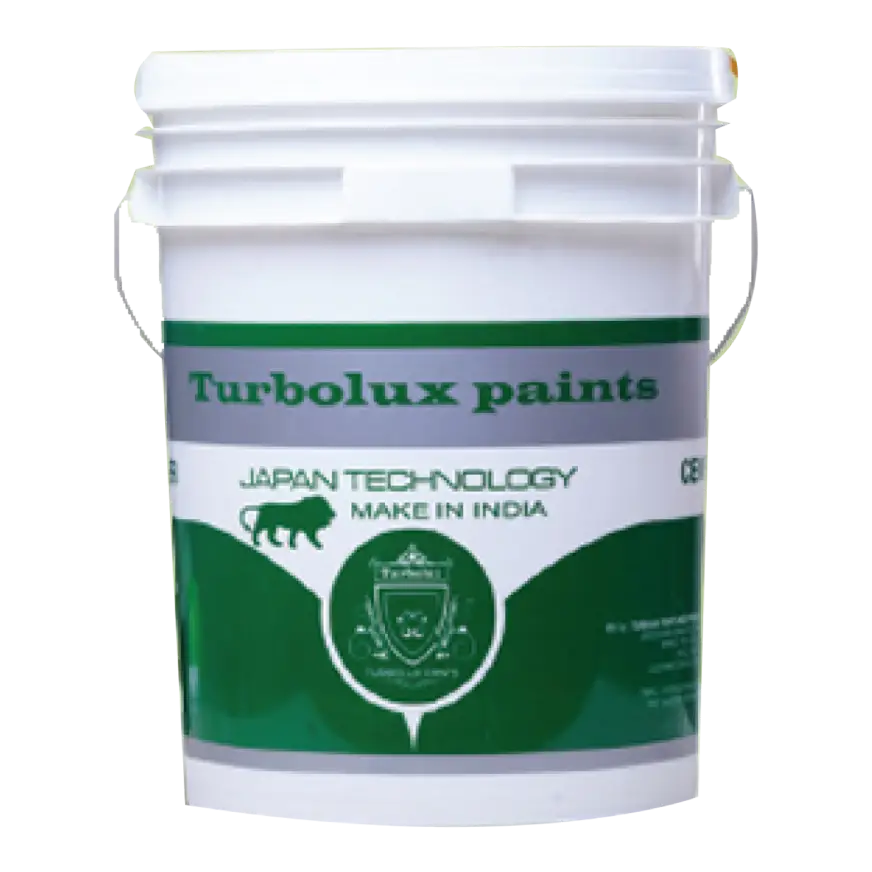
A water-based fast-drying primer for exterior walls.
Fast-Drying UndercoatView Exterior Primer →Fills cracks and dents for a smooth base before painting.
Smooth BaseView Wall Putty →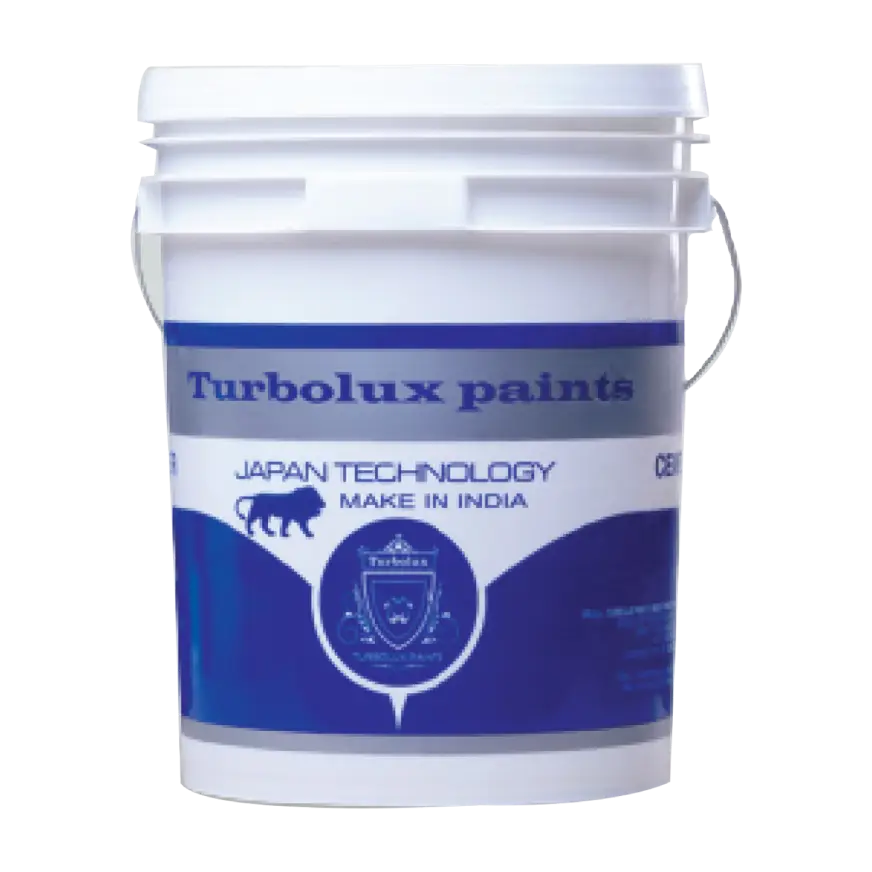
A water-based undercoat that improves adhesion and coverage.
Water-Based UndercoatView Interior Primer →How long should each surface cure before painting?
| Surface | Minimum curing time | Notes for Kerala weather |
|---|---|---|
| Internal cement plaster | 4 weeks | Add 1 to 2 weeks in monsoon humidity |
| External cement render | 4 to 6 weeks | Wait for a dry spell before priming |
| Concrete ceiling slab | 6 weeks | Slabs hold moisture longest; test before painting |
| Small patch repairs | 1 to 2 weeks | Thin patches dry faster but still need priming |
| Putty coats | 1 to 2 days | Sand only when fully hard and chalk-free |
What are the most common mistakes?
- Painting damp plaster. The single biggest cause of first-year failures; always do the overnight plastic sheet test.
- Skipping primer to save a day. The emulsion loses binder into the wall and later peels; see why paint peels and flakes.
- Applying putty directly on unprimed, dusty plaster. Putty needs a sealed surface to bond to.
- Thick single coats instead of thin double coats. Thick coats skin over, dry slowly and crack.
- Ignoring efflorescence. Brush salts off dry and wait; painting over active salt patches guarantees a comeback.
Frequently asked questions
How soon can I paint new plaster?
After 4 to 6 weeks of curing in fair weather. Confirm dryness with an overnight plastic sheet test before priming. Painting earlier traps moisture and causes peeling and salt patches.
Can I paint directly on new plaster without primer?
No. New plaster is porous and alkaline, and it will pull the binder out of the emulsion. One coat of cement primer costs little and roughly doubles the life of the paint system.
Is a mist coat the same as a primer?
A mist coat is diluted emulsion used in some countries to seal fresh plaster. In India’s climate, a proper cement primer performs better because it also resists alkali and evens out absorption for the putty stage.
Do I need putty on every wall?
Putty is for smoothness, not strength. Two coats give premium interior finishes a flawless base. On rough-textured exteriors you can go primer straight to emulsion if you like the texture.
What happens if I paint over damp plaster?
Moisture pushes outward as the wall dries, causing blisters, peeling and white efflorescence patches within months. Fix the moisture first; no paint can hold back a wet wall.
Building or finishing a new home?
Get the full Turbolux system for new plaster, from primer to final coat.
Find your Turbolux paint →Made in Kerala for Kerala’s climate.