
Diyas, candles, incense and celebrations leave their mark on walls and ceilings. Here is how to clean soot, oil, wax and colour stains safely after Diwali, and when it is better to touch up or repaint.
Short answer: To remove soot from walls, start dry: dust the wall, then wipe the black marks with a dry soot sponge or clean microfibre cloth, without water. Then wash gently with warm water and a mild liquid soap, always testing on a hidden spot first. Lift wax by hardening it with ice and scraping gently, and treat oil marks with a little dishwashing liquid. Sheen emulsions clean more easily than matt paint or distemper. If a stain will not shift, or cleaning leaves a shiny or patchy spot, a touch-up or a fresh coat on the whole wall is the better fix.
What stains do festivals leave on walls?
| Stain | Where you find it | Main cause |
|---|---|---|
| Black soot | Above diyas, lamps and candles; ceilings | Smoke from oil lamps and candles |
| Oil marks | Near lamp shelves, kitchens, door frames | Oil splashes and oily hands |
| Wax drips | Window sills, walls near candles | Melted candle wax |
| Grey haze | Ceilings and upper walls | Incense and firecracker smoke |
| Colour stains | Lower walls, near rangoli and doorways | Rangoli powder, kumkum, turmeric |
| Tape and sticker marks | Where lights and decorations were hung | Adhesive residue |
How do you remove soot from walls and ceilings?
- Do not start with water. Wetting soot smears it into the paint and makes the mark bigger.
- Dust first. Use a soft brush or vacuum brush to lift loose soot.
- Use a dry soot sponge or microfibre cloth. Wipe in one direction with light pressure, turning the sponge to a clean side often.
- Then wash gently. Use warm water with a few drops of mild liquid soap and a soft sponge. Work from the bottom up to avoid streaks, then rinse with clean water.
- Dry with a soft cloth and let the wall air dry before judging the result.
- For ceilings, work in small sections from a stable ladder and protect the floor and furniture.
How do you remove oil, wax and colour stains?
- Oil marks: dab with warm water and a little dishwashing liquid, then rinse. Repeat gently rather than scrubbing hard.
- Wax: harden it with an ice cube in a plastic bag, then lift it off with a plastic card. Remove the remaining film with a warm, damp cloth and mild soap.
- Rangoli powder and kumkum: brush off dry powder first, then wipe with a damp cloth. Turmeric can leave a yellow tint that may need a touch-up.
- Tape and sticker residue: warm it slightly with a hair dryer, peel slowly, then wipe the residue with mild soapy water.
- Always test first in a hidden spot, such as behind furniture, to check the paint does not lift or change sheen.
Will cleaning damage the paint?
It depends on the paint finish and how you clean:
| Finish | How it cleans | Care tip |
|---|---|---|
| Sheen or semi-gloss emulsion | Best: wipes clean more easily | Mild soap and soft sponge |
| Matt emulsion | Fair: can mark or polish if rubbed hard | Gentle dabbing, not scrubbing |
| Distemper | Poor: can wash off | Dry cleaning only; repaint if badly stained |
Never use abrasive powders, steel wool or strong solvents on painted walls. They wear down the top layer and leave a dull or shiny patch. See why paint loses its shine.
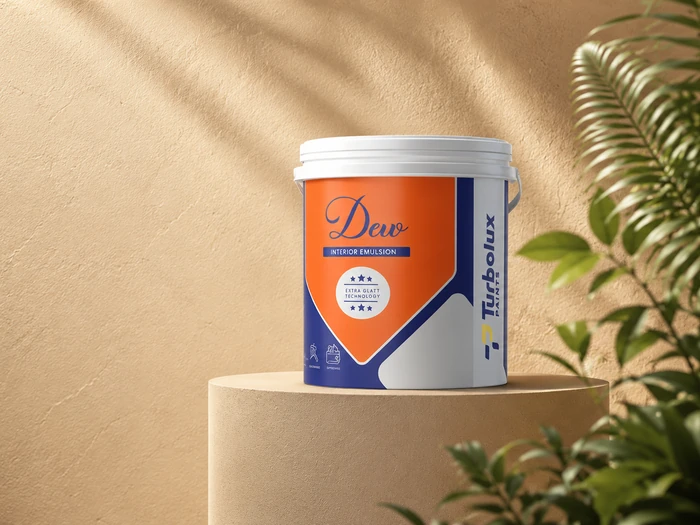
An interior emulsion with excellent whiteness and a soft sheen. GLATT Technology makes it more durable and glossy, for homes and commercial spaces.
Interior sheen · Tinted at your dealerView Dew →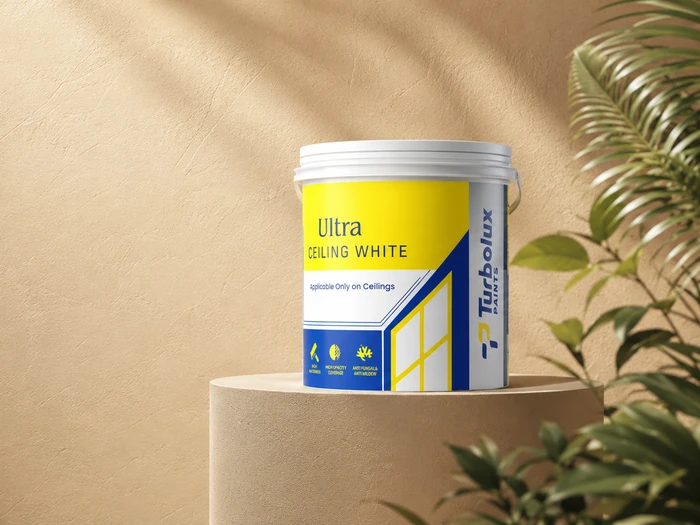
A dedicated ceiling white using Eightling Technology to hide imperfections in the surface while giving a clean contrast to coloured walls.
Ceilings · InteriorView Ultra Ceiling White →When should you repaint instead of cleaning?
- The stain is still visible after two gentle cleaning attempts.
- Cleaning has left a patch that looks shinier, duller or lighter than the rest of the wall.
- The paint is powdery or comes off on the cloth.
- The ceiling above the lamp area is grey all over. A fresh coat of ceiling white is quicker than cleaning the whole ceiling.
For best results, repaint the whole wall from corner to corner rather than a small patch, since touch-ups often show. Clean and dry the surface first, prime any repaired areas, and apply two coats. Planning the next festival? Our pooja room colours guide has tips on finishes that stay cleaner.
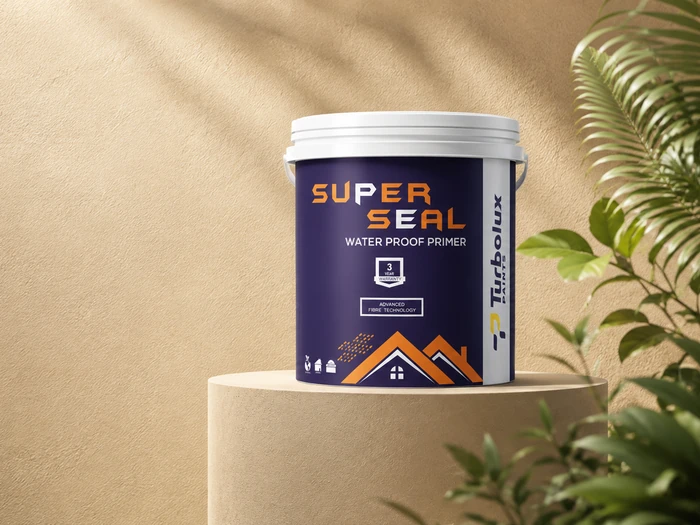
Premium acrylic primer with fibre technology that resists alkali, damp and efflorescence. Its high-opacity film lifts topcoat coverage by 15 to 20%.
Primer · Interior & exteriorView Super Seal →Frequently asked questions
How do you remove black soot from walls?
Start dry: dust the wall and wipe the soot with a dry soot sponge or microfibre cloth. Then wash gently with warm water and mild soap. Wetting soot first spreads the stain.
How do I clean a ceiling stained by diya smoke?
Brush off loose soot, use a dry soot sponge, then wipe with mild soapy water in small sections. If the whole ceiling is grey, a fresh coat of ceiling white is often faster.
Can I wash walls painted with emulsion?
Yes. Sheen emulsions can be wiped with mild soap and a soft sponge. Matt finishes need gentler dabbing, and distemper should not be washed.
How do I remove candle wax from a wall?
Harden the wax with ice, lift it with a plastic card, then wipe the remaining film with a warm, damp cloth and mild soap.
Why does a touch-up look different from the rest of the wall?
Fresh paint can dry with a slightly different sheen or shade from older paint. Repainting the whole wall corner to corner gives an even finish.
Walls need more than a clean?
Visit your nearest Turbolux dealer for the right primer and finish to refresh your walls after the festival.
Find a Turbolux dealer →90728 26662 · [email protected] · Happy walls in just a stroke.