Near the sea, steel gates, grilles and railings can rust in a single season. Salt in the air is the reason, and a thicker, well-prepared epoxy primer system is the answer.
Short answer: Steel rusts much faster near the coast because salt carried in the sea air settles on the metal, attracts moisture and speeds up corrosion. To protect gates, grilles, railings and steel structures in coastal areas, remove every trace of rust and salt, rinse with fresh water and let the steel dry, then build three coats of an anti-corrosive epoxy primer such as Turbolux Prestige, with an extra brushed coat on edges, welds and joints, before the finish coat. Rinse the metal with fresh water every few months and touch up chips straight away.
Why does steel rust faster near the sea?
Rust needs water and oxygen. Salt makes both work harder:
- Salt attracts moisture. Sea spray and onshore winds deposit fine salt crystals on everything nearby. Salt draws water out of humid air, so the metal stays damp for longer, even when it is not raining.
- Salt water conducts better. Dissolved salts help the electrochemical reaction behind corrosion run faster than it does with plain rainwater.
- Salt gets under damaged paint. Once salt reaches bare steel through a chip or a thin edge, rust spreads sideways underneath the paint and lifts it.
Corrosion is usually worst within the first few hundred metres of the shore and on the side of a building facing the sea, but salt air can travel several kilometres inland on strong sea breezes, especially during the monsoon.
Which metal items suffer most in coastal homes?
| Item | Where rust starts |
|---|---|
| Compound and main gates | Bottom rail, hinges, welds, horizontal bars that hold water |
| Window grilles | Welded joints and the bottom bar resting on the sill |
| Balcony and terrace railings | Base plates, post bottoms and top rails facing the sea |
| Staircases and external steel steps | Treads where sand and water collect |
| Roof trusses, sheds and car porches | Purlins and bolts under roofing sheets where salty condensation forms |
| Water tank stands and pipe supports | Bases and bolts that stay wet |
For the walls of a coastal home, see our separate guide to the best exterior paint for coastal homes. This article is about the metal.
How do you prepare steel in a coastal area?
Preparation matters even more near the sea, because salt left on the surface keeps corroding under new paint.
- Remove all rust and loose paint. Scrape, wire brush and sand back to bright metal or firmly bonded old paint. Power tools save time on gates and railings; blasting gives the best result on structures.
- Rinse with fresh water. Wash the steel thoroughly with clean water to dissolve salt from pits, joints and corners. This step is what most coastal paint jobs skip.
- Dry completely. Let the steel dry in the sun, and wipe joints and corners with a clean cloth.
- Degrease. Remove oil and grease with a suitable solvent or degreaser.
- Prime the same day. Bare steel near the sea starts to flash-rust within hours. Never leave cleaned steel unprimed overnight.
What paint system protects steel near the coast?
Near the sea, build the film thicker than you would inland.
- Primer: an anti-corrosive epoxy primer. Prestige is the right choice for the harshest exposure: it bonds directly to prepared steel, has superior abrasion and impact resistance, and its low-permeability film keeps water and moisture away from the metal once cured.
- Coats: three coats of primer on coastal steel, a minimum of 6 hours apart for Prestige, rather than the two used inland.
- Stripe coats: before each full coat, brush an extra coat onto edges, welds, bolt heads and corners, where film thickness is lost and salt attacks first.
- Finish coat: once the primer is ready to overcoat, apply a finishing coat suitable for exterior metal to shield the primer from sun and weather.
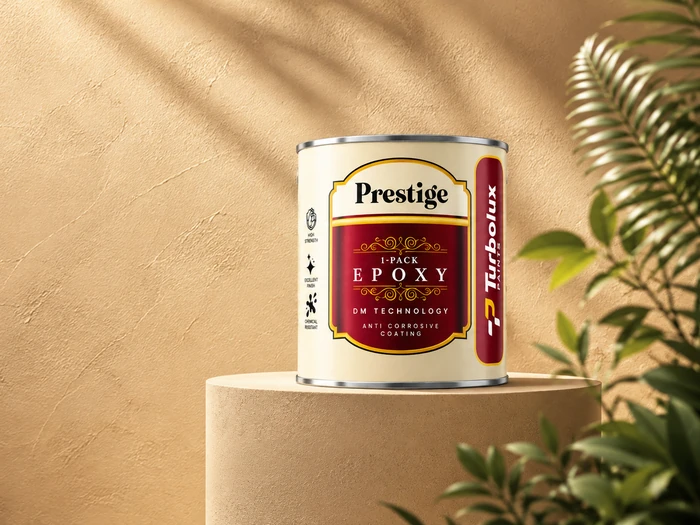
Direct to Metal bonding with a corrosion guard built for monsoon humidity and salt in coastal air. Surface dry in 4 minutes, full cure in 24 hours.
Grey & Black · 500 ml to 20 LView Prestige →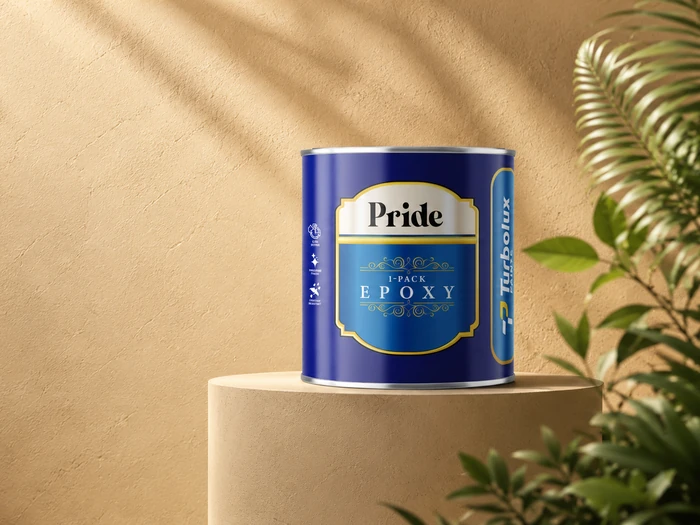
Budget-friendly epoxy protection for sheltered metalwork set back from the sea, such as indoor grilles and covered frames. Use a third coat on exposed steel.
Grey & Black · Budget-friendlyView Pride →Choosing a colour? Grey under light finishes, black under dark ones. See grey or black epoxy primer.
How do you maintain coastal metalwork?
| How often | What to do |
|---|---|
| Every 2 to 3 months | Rinse gates, grilles and railings with fresh water to wash off salt and sand |
| Every year, after the monsoon | Inspect welds, hinges, bottom rails and base plates for rust spots |
| As soon as you see a chip or rust spot | Sand to bright metal, rinse, dry, spot-prime with epoxy primer and touch up the finish |
| Whenever needed | Clear sand, leaves and soil from the bottom of gates and railings, and keep drainage open |
Small, early touch-ups are what keep coastal steel going for years. Left alone, a single rust spot near the sea can spread under the paint within one monsoon. For the full step-by-step on painting gates, see our metal paint guide, and for rainy-season work, painting steel in the monsoon.
Frequently asked questions
Why do gates rust so fast near the beach?
Salt in the sea air settles on the steel, holds moisture against it and speeds up corrosion. Thin paint at edges and welds lets the salt reach the metal first.
How many coats of primer does coastal steel need?
Three coats of epoxy primer, plus a brushed stripe coat on edges, welds and joints, followed by a finish coat.
Should I wash steel before painting near the sea?
Yes. After removing rust, rinse the steel with fresh water to dissolve salt from pits and joints, then let it dry completely before priming.
Which Turbolux primer is best for coastal steel?
Prestige, for exposed gates, railings and structures. Pride suits sheltered metalwork set back from direct sea air, with a third coat where exposure is higher.
How often should I check metalwork in a coastal home?
Rinse it every few months and inspect it at least once a year after the monsoon, touching up any rust spots immediately.
Living near the sea?
Ask your nearest Turbolux dealer for Prestige Epoxy Primer for your gates, grilles and steel.
Find a Turbolux dealer →90728 26662 · [email protected] · Happy walls in just a stroke.