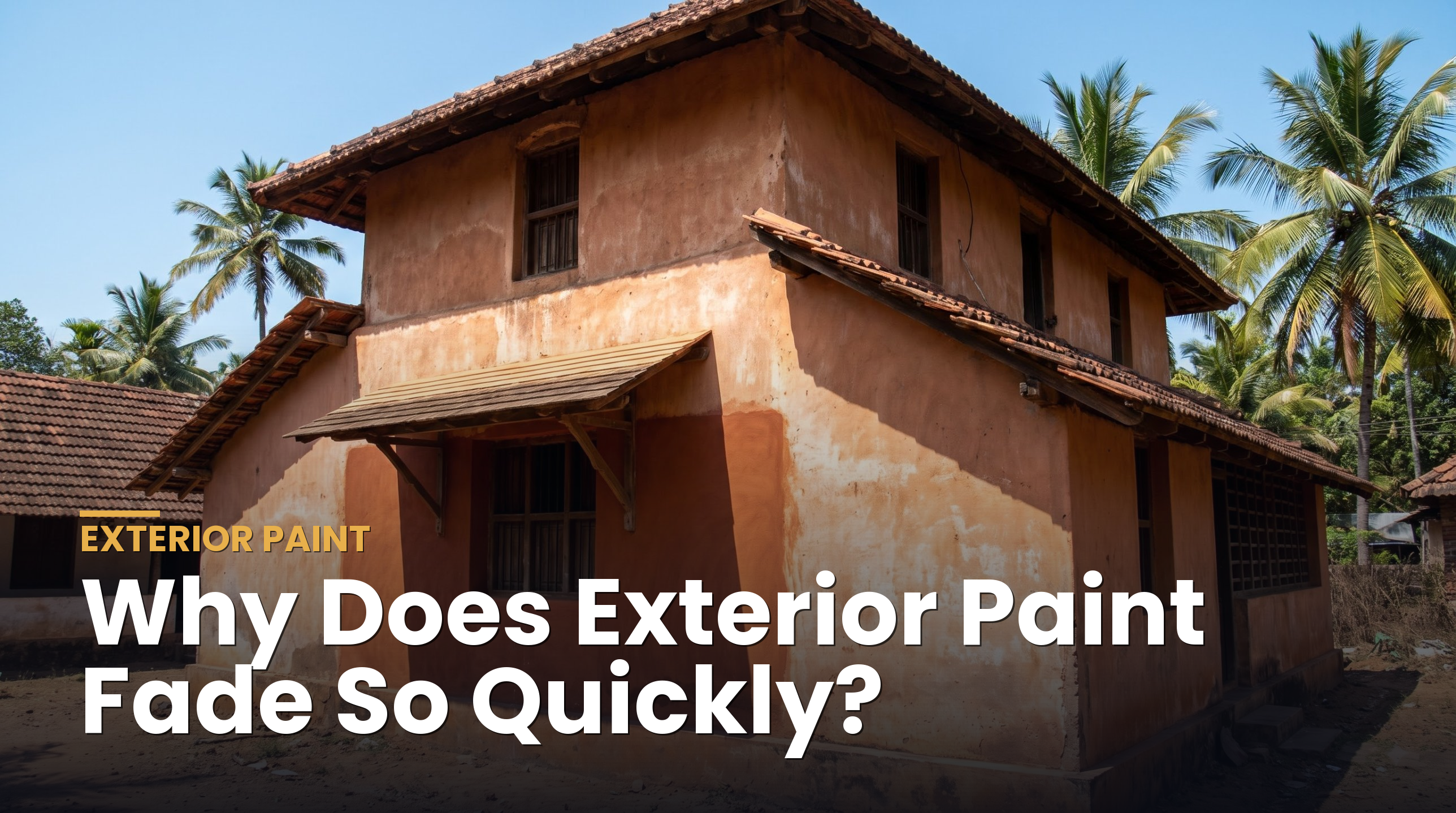
The base of your house takes more punishment than any other wall: rain splash, mud, damp and fungus. Here is why the plinth needs its own coating, which colours work best, and how to paint it so it stays clean and protected.
Short answer: Plinth paint is a coating for the base of your house, the band from ground level up to the floor level. This area gets rain splash, mud, rising damp and fungus, so ordinary wall paint stains and fails there first. The best plinth paint is a dedicated foundation coating in a dark colour such as black or grey, which hides mud splash and resists fungus. Turbolux Turbo Black and Velvet Grey are foundation coatings made for exactly this job. Fix any damp first, clean and prepare the surface, then apply two coats.
What is a plinth, and why does it need special paint?
The plinth is the raised base of the building that sits between the ground and the floor of the house. In Kerala homes it is often a visible band of plastered masonry or laterite running all around the house. It is the hardest-working wall you have:
- Rain splash-back. Water falling from the roof hits the ground and splashes mud and dirt up onto the base.
- Rising damp. Moisture from the soil climbs into the masonry, carrying salts that push off paint.
- Fungus and algae. The base stays damp and shaded for long periods, which is ideal for green and black growth.
- Knocks and wear. Garden tools, footwear, vehicles, pets and cleaning all wear the surface.
This is why the bottom of a light-coloured wall is usually the first part of a house to look dirty and patchy.
What colour should you paint the base of a house?
| Plinth colour | Looks | Pairs well with | Hides mud splash? |
|---|---|---|---|
| Black | Bold, smart, grounded | White, cream, beige, light grey walls | Very well |
| Grey | Modern, softer contrast | White, blue, cream and pastel walls | Well |
| Terracotta or brown | Earthy, traditional | Cream, ochre and beige walls | Well |
| Same as the wall | Seamless | Any | Poorly on light colours |
A dark band at the base also makes a house look more solid and finished, like a well-framed picture. For the wall colour above it, see our guides to cream and blue wall paint.
What is the best paint for the plinth?
Use a dedicated foundation coating rather than leftover wall paint. Turbolux makes two, both rated for exterior walls and sold in 1L and 4L packs:
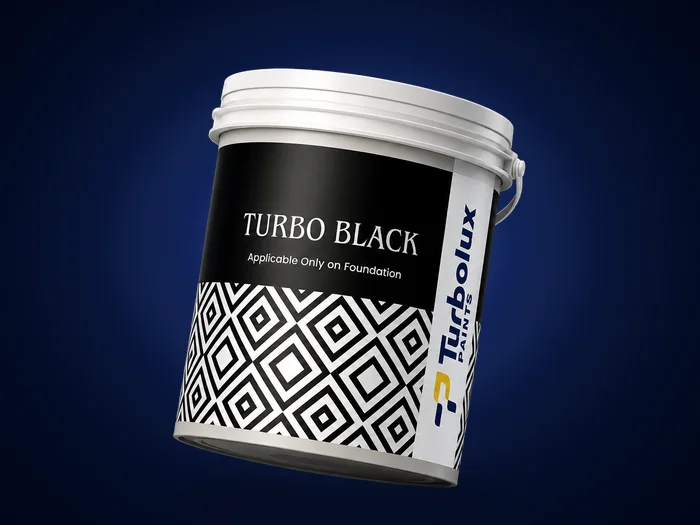
A foundation coating engineered for the base of your paint system. Microban technology gives extra black brightness and protects walls from unwanted fungus.
Black · 1L & 4LView Turbo Black →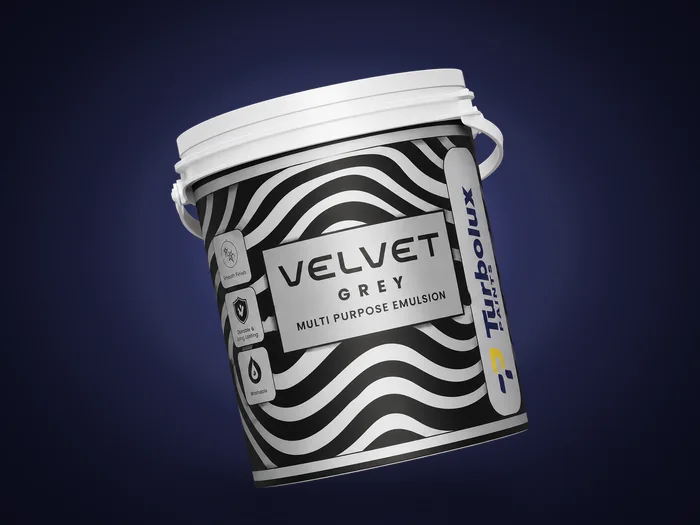
A grey foundation coating from the Turbolux foundation line, built as the base layer of a durable paint system.
Grey · 1L & 4LView Velvet Grey →Both are single-colour products, so they are not tinted to other shades. Choose Turbo Black for the deepest contrast plus Microban anti-fungus protection, or Velvet Grey for a softer, modern look. Your dealer can confirm coverage and quantities for your plinth area.
How do you paint a plinth step by step?
- Fix damp first. If the base shows damp patches, white salt deposits or peeling, solve the cause before painting: improve drainage, clear soil and plants away from the wall, and treat with a damp-proof coating where needed.
- Clear the base. Pull back soil, mulch and plants so the full plinth is exposed, and allow a small gap at the bottom.
- Clean thoroughly. Scrub off mud, algae and fungus with water and a stiff brush. Treat green growth and rinse.
- Scrape and repair. Remove flaking paint and loose plaster, and fill cracks and holes.
- Let it dry. Paint only when the surface is dry, ideally after a few days of dry weather.
- Prime bare or new surfaces. On new plaster or bare patches, use a cement primer so the coating bonds well.
- Mask a clean line. Run masking tape along the top edge of the plinth for a sharp line against the wall colour.
- Apply two coats. Brush or roller on the first coat, let it dry, then apply the second.
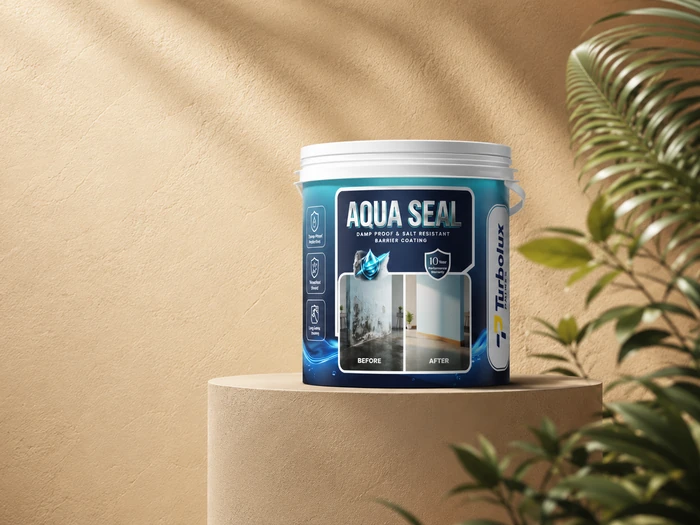
A damp-proof, salt-resistant barrier coating on Nano-Polymer Technology. Stops dampness and efflorescence at the source on damp-prone walls.
Damp-proof · Salt-resistantView Aqua Seal →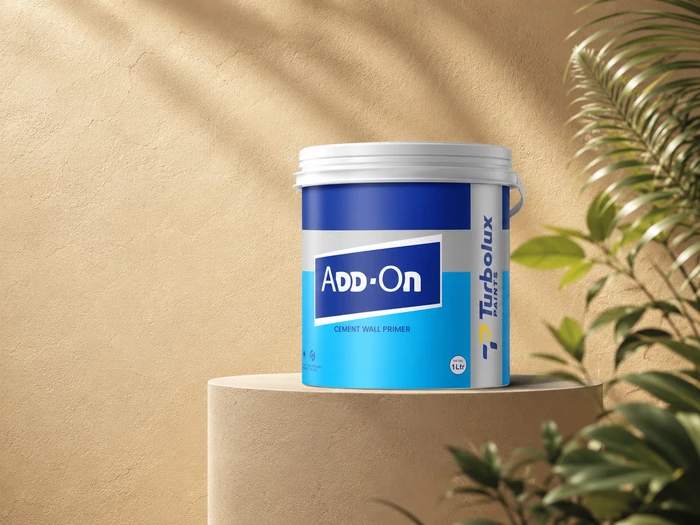
A cement wall primer with excellent adhesion and high durability. Its pigment technology adds brightness and long life to the paint system.
Primer · Walls & roofView Add-On →What are the common plinth painting mistakes?
- Painting over damp. Moisture and salts will push the new paint off within months.
- Using the wall colour all the way down. Light colours show every mud splash at the base.
- Leaving soil against the wall. Soil holds water against the plinth and feeds fungus.
- Skipping the cleaning. Paint over algae or mud does not bond and fails quickly.
- Painting before monsoon showers. Fresh paint needs dry weather to set; check the forecast.
- A wavy top line. An uneven edge spoils the look. Mask it, or snap a chalk line first.
Plan a quick check every year after the monsoon. Wash the plinth, look for damp or flaking, and touch up early. For more on post-rain checks, see what to check on your walls after monsoon.
Frequently asked questions
What is plinth paint?
Plinth paint is a coating for the base of a building, from ground level up to the floor level. It needs to resist mud splash, damp and fungus better than ordinary wall paint.
Why is the base of a house painted black?
Black hides mud splash and dirt, makes the house look grounded and finished, and a foundation coating like Turbo Black adds anti-fungus protection where the wall stays damp.
Can I use normal exterior paint on the plinth?
You can, but light wall colours stain quickly at the base. A dedicated dark foundation coating stays cleaner for longer and is made for the conditions there.
How high should the plinth paint go?
Usually from ground level up to the floor level of the house, following the plinth band. Keep the top line level and continuous all around the house.
Should I fix damp before painting the plinth?
Yes. Paint applied over damp or salt deposits will peel. Improve drainage and treat damp first, then clean, dry and paint.
Give your house a strong foundation
Ask your nearest Turbolux dealer about Turbo Black and Velvet Grey for your plinth.
Find a Turbolux dealer →90728 26662 · [email protected] · Happy walls in just a stroke.