Red oxide is the primer most painters reach for out of habit. Epoxy primer costs more per litre, but on steel that faces rain, salt air or chemicals, it protects for far longer.
Short answer: Epoxy primer is better than red oxide primer for steel that is exposed to moisture, humidity, salt air, oil or chemicals. Epoxy forms a harder, denser, less permeable film that grips the metal more strongly and resists water and chemicals far better. Red oxide primer is cheaper and perfectly adequate for dry, sheltered, indoor metalwork that will be repainted regularly. For gates, grilles, roof trusses and any steel in a humid or coastal climate, epoxy primer is the better long-term choice.
What is red oxide primer?
Red oxide primer is the familiar reddish-brown undercoat seen on new gates, grilles and steel frames across India. Its colour comes from iron oxide pigment, and it is usually made with a conventional alkyd (oil-type) binder. It is cheap, easy to brush, widely available and familiar to every painter, which is why it has been the default for decades.
The weakness is the binder. Conventional alkyd films are relatively soft and more permeable, so over time moisture and oxygen work their way through to the steel. In a dry, sheltered spot that takes years. In monsoon humidity or salty coastal air, it happens much faster, and rust starts to bleed through the topcoat.
What is epoxy primer?
Epoxy primer uses an epoxy resin binder, the same family of resins used in industrial coatings and adhesives. Epoxy films cure hard and dense, grip metal very strongly, and resist water, oil, grease and many chemicals. That is why epoxy primers are the standard for structural steel, tanks, pipelines and factory equipment.
Modern single-pack (1K) epoxy primers have removed the old drawback of epoxies: there is no hardener to mix and no pot life, so they are as easy to use on a house gate as red oxide. Our guide to 1-pack epoxy primer for metal explains how they work.
How do epoxy and red oxide compare?
| What matters | Red oxide primer (conventional) | Epoxy primer |
|---|---|---|
| Adhesion to steel | Good on well-prepared metal | Excellent; bonds strongly to prepared steel and iron |
| Moisture resistance | Moderate; film is more permeable | High; dense, low-permeability film |
| Salt air and humidity | Breaks down faster near the coast | Holds up far better in coastal and humid climates |
| Oil, grease and solvents | Poor to moderate | Good to high |
| Hardness and abrasion | Softer; marks during handling | Hard; resists knocks, stacking and transport |
| Drying | Usually several hours, often recoated next day | Varies by product; Prestige is surface dry in 4 minutes |
| Price per litre | Lower | Higher |
| Cost over the life of the steel | Higher, because of more frequent repainting | Lower, because repainting is needed less often |
| Best for | Dry, sheltered, indoor metalwork | Exterior, coastal, industrial and hard-working steel |
The real comparison is not the price of a litre of primer. It is the cost of scraping, re-priming and repainting a rusted gate or truss every couple of years, including the labour.
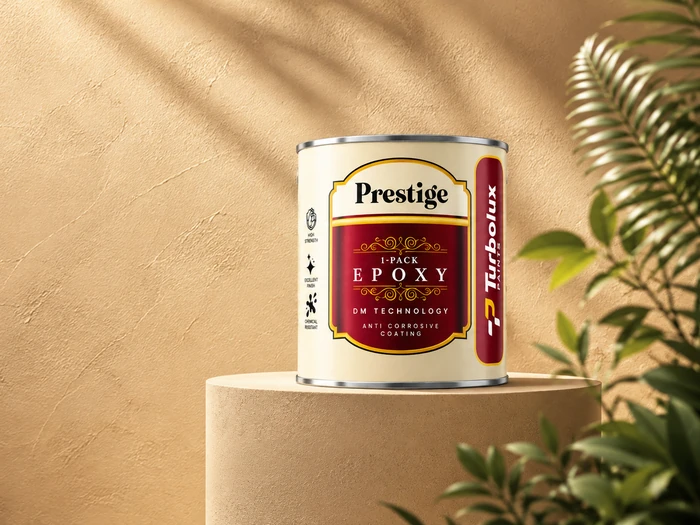
Direct to Metal epoxy primer with superior abrasion and impact resistance. Surface dry in 4 minutes, full cure in 24 hours, holds out water, oil and solvents.
Grey & Black · Interior & exteriorView Prestige →When is red oxide good enough?
Red oxide still has its place. It is a reasonable choice when:
- The metal is indoors and dry, such as internal door frames, shelving or furniture.
- The item is temporary or will be replaced in a few years.
- The steel is well sheltered from rain and humidity, and you are happy to repaint regularly.
Even then, preparation matters more than the primer. Red oxide over loose rust fails just as quickly as epoxy over loose rust.
When should you use epoxy primer instead?
- Gates, grilles and railings outdoors, which take rain on every horizontal edge and joint.
- Roof trusses and sheds, where condensation forms under metal sheets.
- Homes and buildings near the coast, where salt in the air speeds up corrosion. See our guide to painting coastal homes.
- Workshops, factories and machinery, where oil, grease and solvents are present.
- Water tank stands, pipelines and structural steel, where failure is expensive to fix.
- Fabricated steel that will be transported, where a hard primer survives handling.
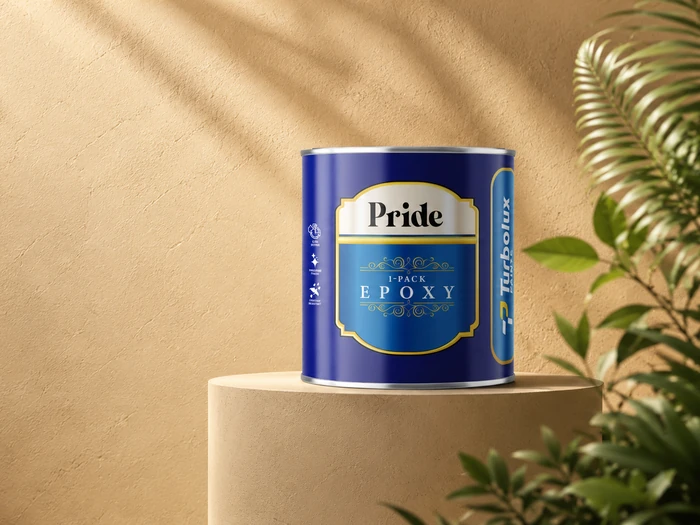
A budget-friendly epoxy primer for gates, grilles and fabricated steel. Covers 6 to 8 m² per litre on the first coat and dries to a hard, smooth gloss.
Grey & Black · Budget-friendlyView Pride →Not sure which of the two Turbolux epoxy primers fits your job? Our Prestige vs Pride comparison sets them side by side.
Can you switch from red oxide to epoxy on old steel?
Yes, but do not simply paint epoxy over old red oxide that is flaking or rusting underneath. Follow these steps:
- Strip loose paint and rust. Scrape, wire brush or sand until you reach bright, sound metal or firmly bonded old coating.
- Treat rust spots properly. Any rust left under the new primer will keep spreading.
- Degrease and dry. Wipe off oil and dirt, and let the steel dry completely.
- Test a small area first if you are coating over old paint you want to keep, to check the old film does not lift or wrinkle.
- Apply two to three thin coats of epoxy primer, respecting the recoat interval on the pack.
- Finish with your chosen topcoat once the primer is ready to overcoat.
Frequently asked questions
Is epoxy primer better than red oxide?
For exterior, coastal, humid or industrial steel, yes. Epoxy primer adheres more strongly and resists moisture, salt and chemicals far better. Red oxide is adequate for dry, sheltered, indoor metal.
Why does red oxide primer rust through so quickly?
Usually because of poor surface preparation, too few coats, or a permeable film that lets moisture reach the steel. In humid and coastal areas this happens faster.
Is epoxy primer difficult to apply?
Not with a single-pack epoxy primer. There is no hardener to mix; you stir, thin if needed, and apply by brush or roller just like a conventional primer.
Can I apply epoxy primer over red oxide?
Only over red oxide that is sound and firmly bonded. Remove any flaking paint and rust first, degrease, and test a small area before coating the whole item.
Does epoxy primer need a topcoat?
Yes. An epoxy primer is the protective base. Apply your finishing coat over it once the recoat interval has passed.
Stop repainting rusty steel every year
Ask your nearest Turbolux dealer for Prestige or Pride epoxy primer.
Find a Turbolux dealer →90728 26662 · [email protected] · Happy walls in just a stroke.