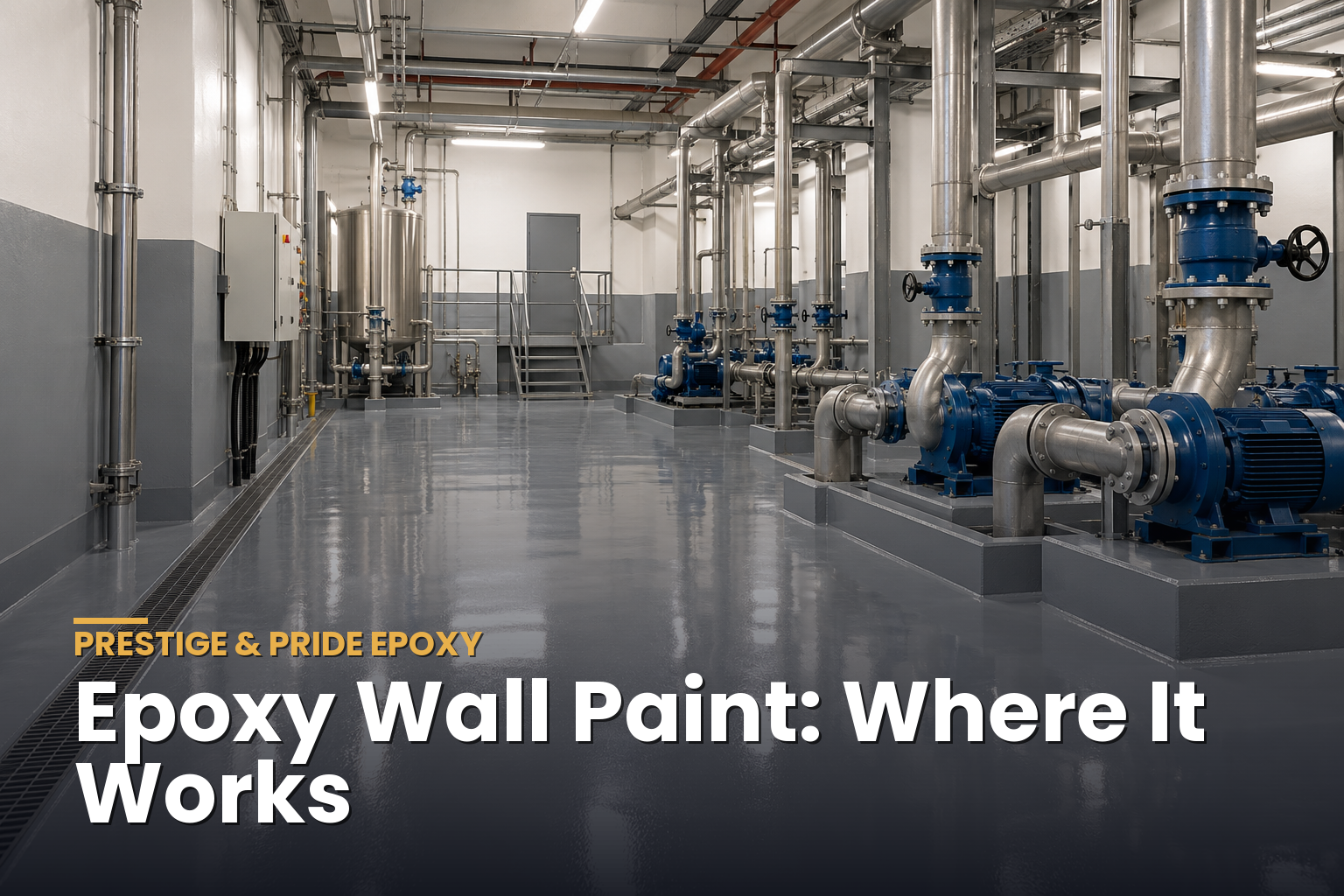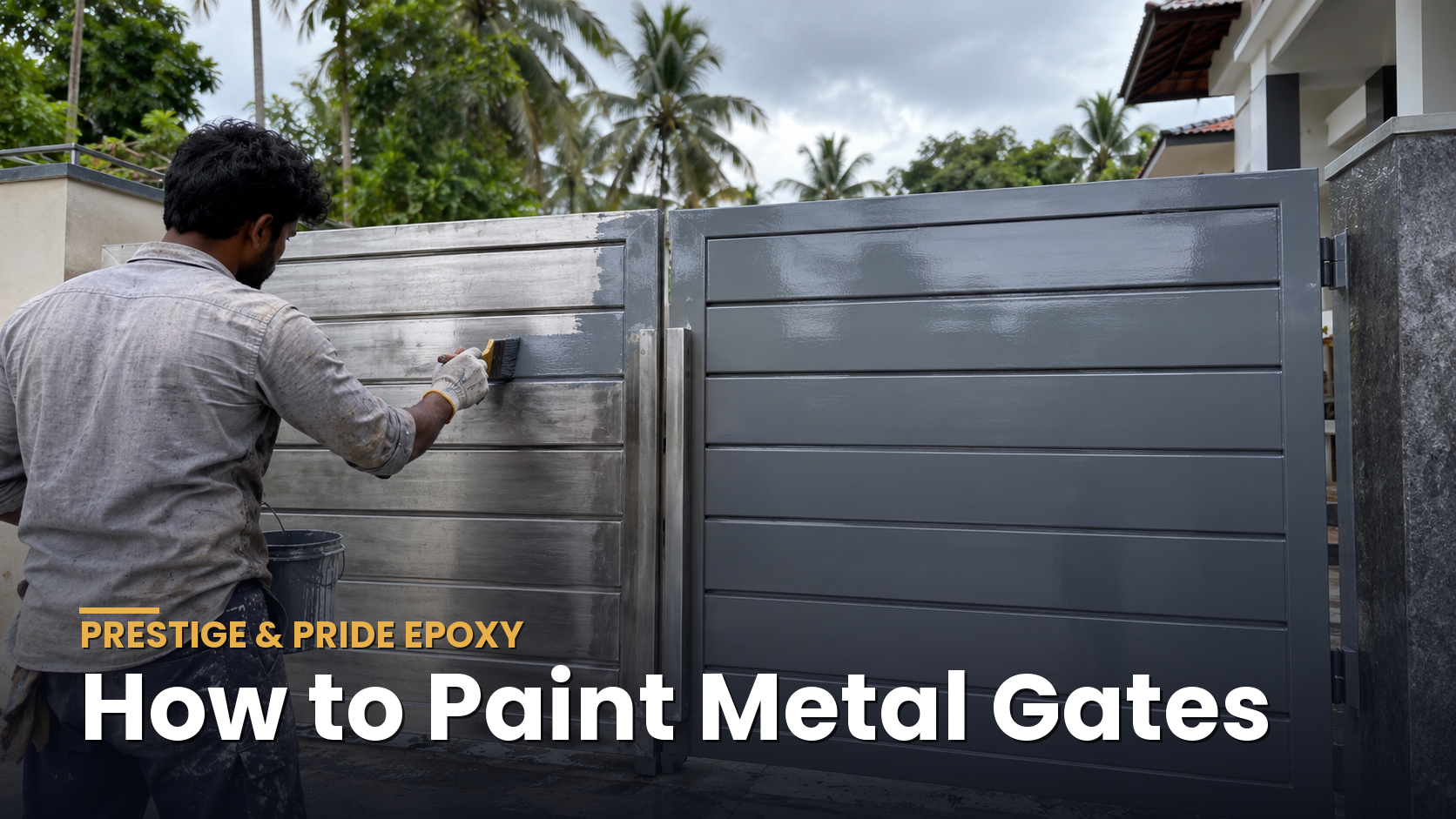
Roof trusses, sheds, mezzanines, tanks and columns are expensive to replace and disruptive to repaint. The right steel paint system, applied properly once, protects them for years.
Short answer: The best steel paint for structures is an epoxy primer system matched to the exposure. Prepare the steel by removing rust, mill scale and grease, then build two to three coats of an anti-corrosive epoxy primer, with an extra brushed coat on edges, welds and bolts, before the finish coat. For heavy-duty, coastal or chemical environments use Turbolux Prestige (surface dry in 4 minutes, full cure in 24 hours, resistant to oils and solvents); for general fabrication and light structures, Turbolux Pride gives epoxy protection on a tighter budget.
Why does structural steel corrode?
Steel corrodes when moisture and oxygen reach its surface, and salts, industrial fumes and chemicals speed the reaction up. On structures, the damage concentrates in predictable places:
- Edges, welds and bolt heads, where paint pulls thin as it dries
- Connections and gaps between members, which trap water and dirt
- Purlins and trusses under metal roofing, where condensation forms on cool nights
- Column bases, which take splash-back, cleaning water and standing moisture
- Steel damaged in transport or erection, where primer was scraped off and never touched up
Paint protects steel by creating a barrier. Every one of these weak points is somewhere that barrier is thin, broken or constantly wet.
How many coats does steel need for each environment?
| Environment | Examples | Primer | Primer coats |
|---|---|---|---|
| Dry interior | Office mezzanines, indoor racking, internal frames | Pride | 2 |
| Humid interior | Sheds and godowns with metal roofing, condensation | Pride or Prestige | 2 to 3 |
| Exterior, inland | External staircases, canopies, boundary frames | Prestige or Pride | 2 to 3 |
| Exterior, coastal | Any steel within reach of salt air | Prestige | 3 |
| Industrial and chemical | Plants, tanks, pipelines, machinery, wash-down areas | Prestige | 3 |
Protection comes from total film thickness, built up in thin coats, never from one heavy pass. Finish with a topcoat suited to the exposure once the primer is ready to overcoat.
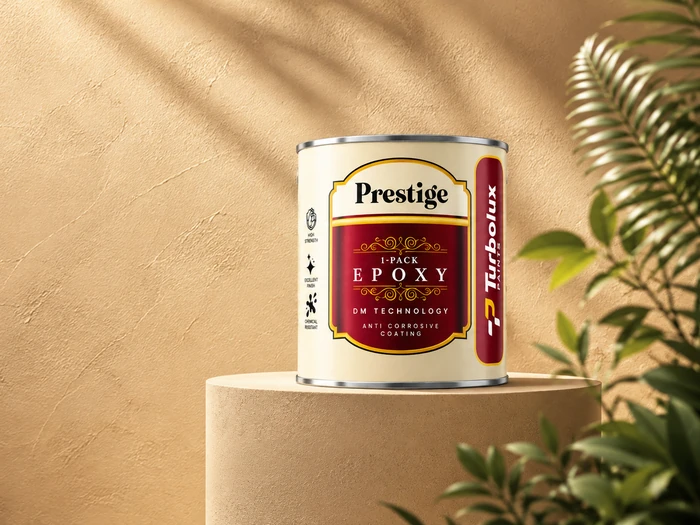
Built for structural steel, tanks, pipelines and machinery. Direct to Metal bonding, superior abrasion and impact resistance, and a film that holds out oils, greases and solvents.
Surface dry 4 min · Full cure 24 hrsView Prestige →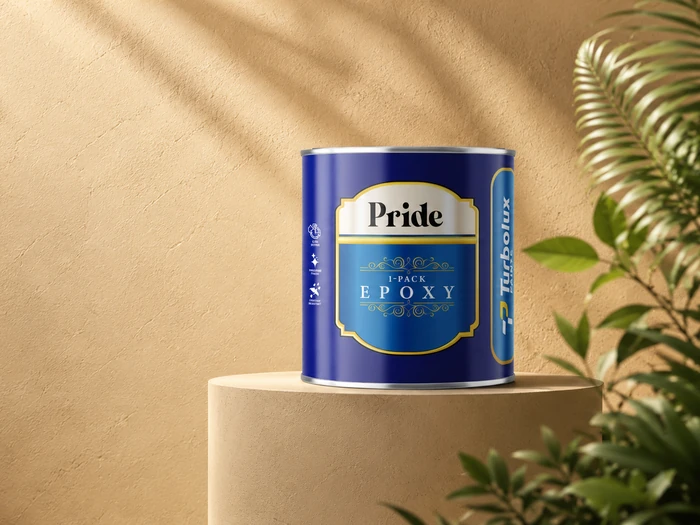
Epoxy resin and NC binder primer for fabricated and light structural steel. Good corrosion and abrasion resistance at a price that suits whole fabrication shops.
6 to 8 m²/L first coatView Pride →How should steel be prepared before painting?
Preparation decides the result. Mill scale and loose rust left under a primer will lift the whole system later, and no coating recovers from a poorly prepared surface.
- Remove oil and grease first with a suitable solvent or degreaser, so you do not spread contamination when you abrade.
- Remove rust, mill scale and loose paint. Abrasive blasting gives the best surface for demanding environments. For smaller jobs and maintenance, use power wire brushes, grinders and sanding discs, then hand tools for corners.
- Clean off the dust with a dry brush or clean compressed air.
- Prime the same day. Freshly cleaned steel starts to flash-rust quickly in humid air.
How do you apply primer to steel structures properly?
- Stripe coat the weak points. Before each full coat, brush an extra coat onto edges, welds, bolt heads and corners. This is where film thickness is lost and where rust starts.
- Apply thin, even full coats. Brush or roller are the primary methods for Prestige; spray at about 5% dilution. Pride is thinned with xylene.
- Respect the recoat interval. Minimum 6 hours for Prestige, 6 to 8 hours for Pride, longer in cold or very humid conditions.
- Build the film. Two coats as standard, three in coastal and industrial exposure.
- Do not paint damp steel. Avoid early mornings when condensation sits on the surface, and stop work before evening dew.
- Ventilate and stay safe. Epoxy primers are flammable. Keep heat, sparks and open flames away from the work area, and use thinned material within 24 hours.
Should steel be primed in the workshop or on site?
Where possible, prime in the workshop. Conditions are drier and easier to control, every face of the member can be reached, and the primer is already protecting the steel before it travels. On site, you then only need to touch up damage and paint the connections.
The catch is handling. Steel gets slung, stacked, bolted and dragged before it is ever in service. A primer with high abrasion and impact resistance, like Prestige, arrives on site looking like it left the shop, and its 4-minute surface dry means members can be handled and turned sooner. After erection, always inspect and touch up every scratch, bolt connection and weld made on site.
How do you maintain painted steel structures?
| When | What to check | What to do |
|---|---|---|
| Every year, after the monsoon | Rust spots at welds, bolts, column bases and gutters | Clean to sound metal, spot-prime, touch up topcoat |
| Every year | Blocked gutters, leaking roof sheets, standing water | Fix drainage and leaks that keep steel wet |
| Every few months (coastal) | Salt and dust deposits | Rinse with fresh water |
| When more than a small share of the surface shows rust | Widespread breakdown of the coating | Plan a full re-preparation and repaint |
Early touch-ups are far cheaper than a full blast-and-repaint. For the basics of how rust forms, see our guide to rust protection with Prestige Epoxy Primer, and for choosing between our two primers, read Prestige vs Pride.
Frequently asked questions
What is the best paint for steel structures?
An epoxy primer system matched to the environment: two to three coats of an anti-corrosive epoxy primer such as Prestige or Pride over properly prepared steel, followed by a suitable topcoat.
How many coats of primer does structural steel need?
Two coats for dry interiors and three for coastal, industrial or chemical exposure, plus a brushed stripe coat on edges, welds and bolts.
Can I paint over mill scale?
No. Mill scale can crack and flake off, taking the paint with it. Remove it by blasting or power tool cleaning before priming.
How soon can primed steel be handled?
Prestige is surface dry in about 4 minutes and fully cured in 24 hours at normal conditions, so members can be moved carefully much sooner than with slow-drying primers. Pride is touch dry in 6 to 7 hours.
How do I stop roof trusses rusting in a shed?
Prime with two to three coats of epoxy primer, stripe coat the joints, and reduce condensation with ventilation and roof insulation where possible. Inspect after every monsoon and touch up early.
Specifying paint for a steel project?
Talk to your nearest Turbolux dealer about Prestige and Pride for your structure.
Find a Turbolux dealer →90728 26662 · [email protected] · Happy walls in just a stroke.