
After months of rain, walls hold a surprising amount of water, even when the surface feels dry. Painting too soon is one of the most common reasons new paint bubbles and peels. Here is how long to wait, and four simple ways to check.
Short answer: After the monsoon, exterior walls usually need several consecutive dry, sunny days before painting, and walls that were soaked for weeks, shaded walls and thick masonry can need two weeks or more. There is no fixed number of days, so test the wall: a plastic sheet taped to the wall overnight should show no condensation, the surface should feel dry and cool rather than damp and cold, there should be no dark patches or white salt deposits, and a moisture meter, if your painter has one, should read low. Paint only when the wall passes.
Why do walls stay wet after the monsoon?
- Masonry soaks up water. Plaster, brick and laterite absorb rain deep into the wall.
- Water dries from the surface first. A wall can feel dry while the inside is still wet.
- Shade slows drying. North-facing walls and walls under trees dry slowly.
- Leaks keep feeding water from roofs, parapets, gutters and broken pipes.
How long does a wall take to dry?
| Situation | Rough guide |
|---|---|
| Sunny wall, light rain, thin plaster | A few dry, sunny days |
| Wall soaked through a long monsoon | One to two weeks or more of dry weather |
| Shaded or north-facing wall | Longer than sun-facing walls |
| Wall with a leak or rising damp | Will not dry until the cause is fixed |
| New plaster | Needs to cure and dry fully, usually several weeks |
These are rough guides only. Always test the wall before painting.
Remember that the inside face of an exterior wall dries too. If interior walls on the same side of the house show damp patches or a musty smell, the wall is still wet through its thickness. In that case, give it more time even if the outside surface looks dry. Painting the outside too soon can trap moisture inside the wall, which then pushes the paint off from behind. Rooms with damp walls also benefit from open windows on dry days, so the wall can dry from both sides.
What are 4 tests to check if a wall is dry?
- The plastic sheet test. Tape a square of clear plastic, about 45 cm across, tightly to the wall on all four sides. Leave it overnight. If droplets or a damp patch appear underneath, the wall is still releasing moisture.
- The touch test. Press your palm on the wall. A dry wall feels like room temperature; a damp wall feels cold and slightly clammy.
- The look test. Dark patches, tide marks or white powdery salts mean moisture is still moving through the wall.
- The moisture meter. Many painters carry a meter. Ask them to check several spots, especially the base and corners.
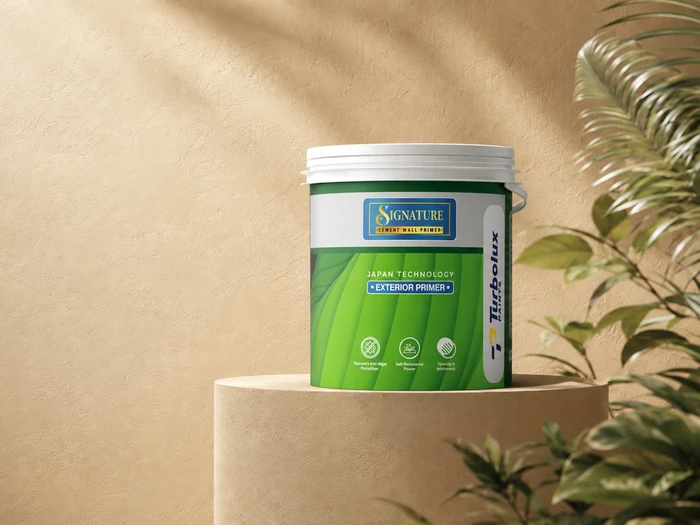
A fast-drying, water-based ceramic-technology primer for exterior walls. Anti-algal and weatherproof, with 35% salt resistance.
Primer · ExteriorView Signature →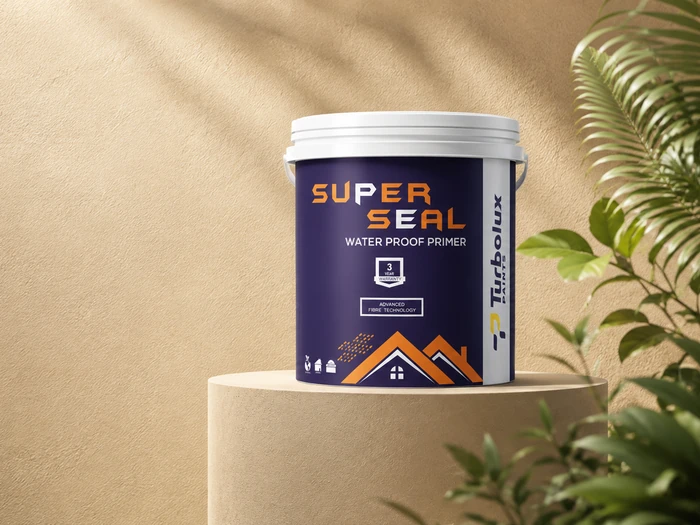
Premium acrylic primer with fibre technology that resists alkali, damp and efflorescence. Its high-opacity film lifts topcoat coverage by 15 to 20%.
Primer · Interior & exteriorView Super Seal →What happens if you paint a damp wall?
| Problem | Why it happens |
|---|---|
| Bubbles and blisters | Trapped moisture pushes the paint film outwards |
| Peeling | Paint cannot bond to a wet surface |
| White salt patches | Water carries salts to the surface. See efflorescence |
| Patchy colour | Uneven drying of the paint |
| Algae and mould | Damp walls stay green |
For more, see why paint bubbles.
How can you help walls dry faster?
- Fix leaks first: roof, gutters, parapets and pipes.
- Clear plants and soil away from the wall base.
- Open windows on dry days so interior walls dry from both sides.
- Scrape off loose, damp paint so the wall can breathe.
- Be patient. A few extra dry days cost far less than repainting a peeled wall.
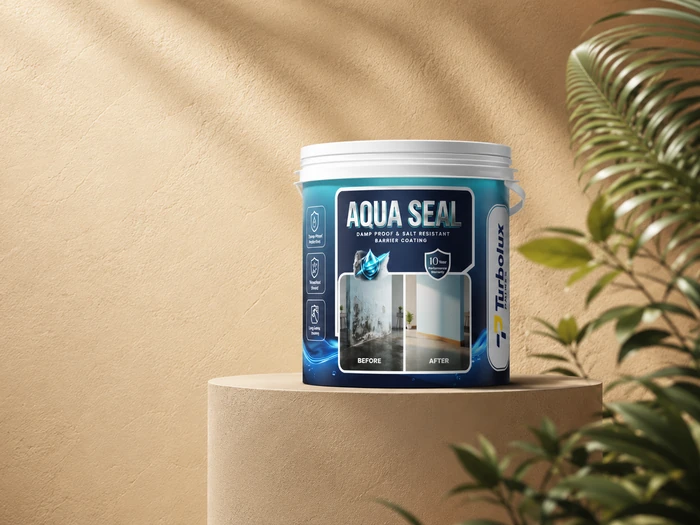
A damp-proof, salt-resistant barrier coating on Nano-Polymer Technology. Stops dampness and efflorescence at the source on damp-prone walls.
Damp-proof · Salt-resistantView Aqua Seal →Frequently asked questions
How long should I wait to paint after rain?
After light rain, wait at least a full dry, sunny day or two. After a long monsoon, walls often need one to two weeks or more of dry weather. Test before painting.
How do I know if my wall is dry enough to paint?
Tape a plastic sheet to the wall overnight. If no moisture appears underneath, the wall feels dry and there are no damp patches or salts, it is ready.
Can I paint a slightly damp wall?
No. Paint applied to a damp wall can bubble, peel and develop salt patches. Wait until it is fully dry.
Why does my wall stay damp even in sunny weather?
There may be a leak, rising damp or poor drainage feeding water into the wall. Fix the source first.
Should I prime a wall after the monsoon?
Yes, especially on repaired, chalky or salt-affected areas. A good primer helps the topcoat bond and resists alkali and salts.
Ready to paint after the rains?
Visit your nearest Turbolux dealer for the right primer and exterior paint for your walls.
Find a Turbolux dealer →90728 26662 · [email protected] · Happy walls in just a stroke.