
After the monsoon, many walls develop white, powdery or crusty patches, often near the floor or below windows. This is efflorescence, and painting over it does not work. Here is what causes it and how to fix it properly.
Short answer: White salt patches on walls are efflorescence: salts carried out of the masonry by water, which are left behind as a white powder or crust when the water evaporates. They are a sign that moisture is moving through the wall. To fix them, find and stop the source of moisture, let the wall dry fully, brush off the salts dry, clean the surface, and then use a damp-proof, salt-resistant coating or an alkali and efflorescence-resistant primer before repainting. Painting straight over the salts will cause bubbling and peeling.
What is efflorescence?
Cement, plaster, bricks and soil all contain natural salts. When water soaks into the wall, it dissolves these salts. As the water moves to the surface and evaporates, it leaves the salts behind as a white, powdery or crystal deposit.
| What you see | Where |
|---|---|
| Fine white powder | Lower walls, plinth, near floors |
| Crusty white crystals | Around cracks, below windows, parapets |
| Bubbling or peeling paint | Over salt-affected areas |
| Tide marks | Where damp rises from the ground |
Why does it appear after the monsoon?
- Months of rain soak water deep into the walls.
- Rising damp from wet soil carries ground salts into the wall base.
- Leaks from roofs, parapets, gutters or pipes feed water into one area.
- As the weather dries, the water evaporates and the salts appear on the surface.
- Coastal salt air adds more salts to walls near the sea. See coastal exterior paint.
Efflorescence is common on new buildings too. Fresh cement and plaster contain a lot of water and salts, and as a new house dries out over its first year or two, white deposits often appear. This usually reduces over time once the walls have dried and the source of water is controlled. On new homes, let plaster cure and dry fully before painting, and brush off any salts that appear before the first coat.
How do you remove white salt patches?
- Wait for dry weather so the salts come fully to the surface.
- Brush them off dry with a stiff brush. Do not wet the wall first, as water can dissolve the salts and push them back in.
- Scrape off any bubbling or loose paint over the area.
- Wipe with a lightly damp cloth to remove remaining dust, then let it dry.
- Watch for a few days. If salts reappear, moisture is still coming through.
How do you stop efflorescence coming back?
- Fix the water source: repair roof and parapet leaks, gutters, pipes and cracks.
- Improve drainage around the base of the house, and keep soil and plants away from the wall.
- Let the wall dry fully. See how long walls should dry.
- Use a damp-proof, salt-resistant coating on walls prone to damp and salts.
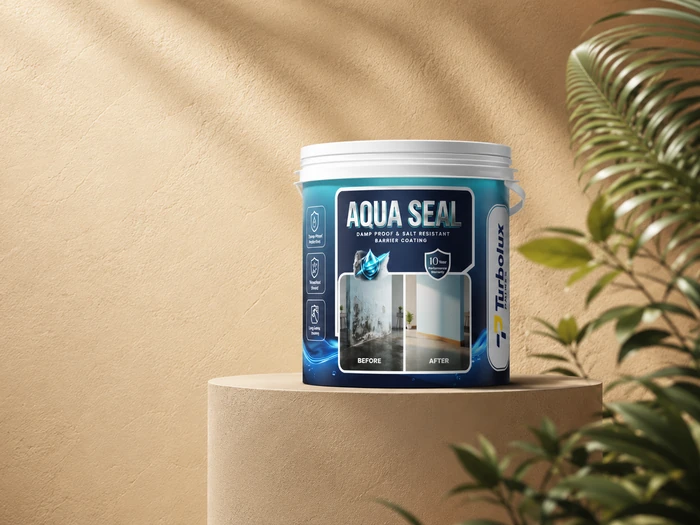
A damp-proof, salt-resistant barrier coating on Nano-Polymer Technology. Stops dampness and efflorescence at the source on damp-prone walls.
Damp-proof · Salt-resistantView Aqua Seal →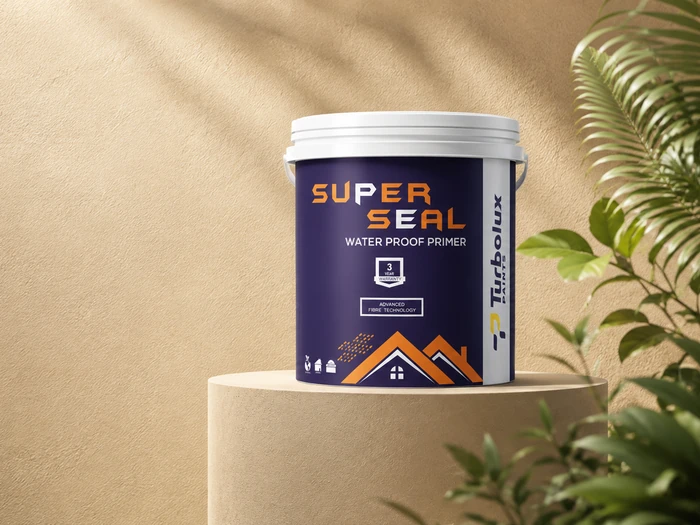
Premium acrylic primer with fibre technology that resists alkali, damp and efflorescence. Its high-opacity film lifts topcoat coverage by 15 to 20%.
Primer · Interior & exteriorView Super Seal →Aqua Seal is a damp-proof, salt-resistant barrier coating built on Nano-Polymer Technology, designed to stop dampness and efflorescence at the source. Super Seal is an acrylic primer with fibre technology that resists alkali, damp and efflorescence.
How do you repaint a wall after efflorescence?
- Fix the moisture source and let the wall dry completely.
- Brush off all salts and loose paint.
- Apply a damp-proof coating or efflorescence-resistant primer as advised by your dealer.
- Apply two coats of topcoat, interior or exterior as needed.
- Check the wall after the next rains and treat any new spots early.
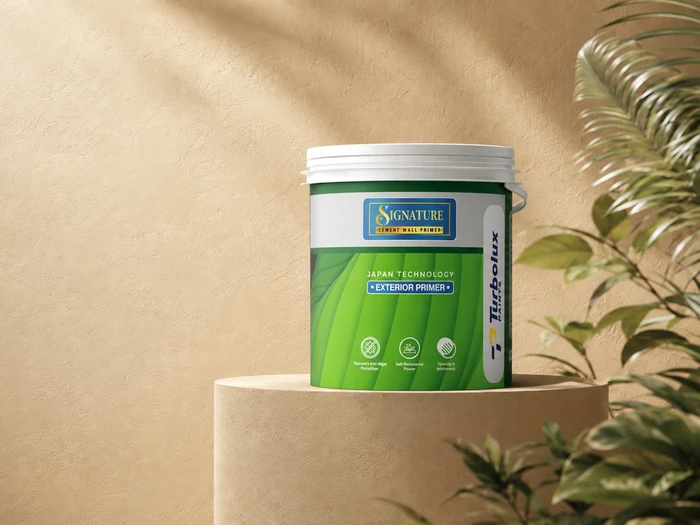
A fast-drying, water-based ceramic-technology primer for exterior walls. Anti-algal and weatherproof, with 35% salt resistance.
Primer · ExteriorView Signature →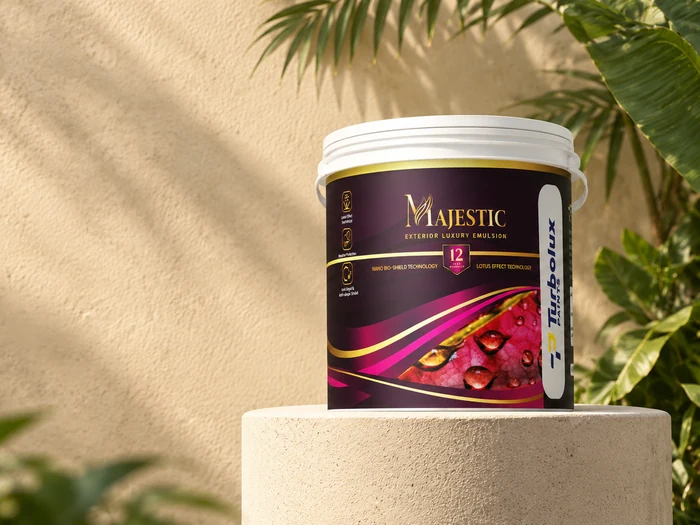
Ultra-premium weatherproof exterior emulsion with silicon additives and Lotus Effect Technology. Water beads off and dirt does not settle on the wall.
High-sheen · 12-year durability warrantyView Majestic →Related reading: stopping dampness and seepage and painting over old paint.
Frequently asked questions
What are the white patches on my walls?
They are usually efflorescence: natural salts carried out of the masonry by water and left on the surface when the water evaporates.
Is efflorescence harmful?
The salts themselves are not dangerous, but they show that moisture is moving through the wall, which can damage paint and plaster over time.
Can I paint over efflorescence?
No. Painting over salts leads to bubbling and peeling. Fix the moisture source, brush off the salts, prime with a suitable product and then paint.
How do I remove white salt from walls?
Brush it off dry with a stiff brush, scrape any loose paint, wipe with a lightly damp cloth and let the wall dry.
How do I stop salt patches coming back?
Stop the water getting in, improve drainage, let the wall dry and use a damp-proof, salt-resistant coating such as Aqua Seal.
White patches on your walls?
Visit your nearest Turbolux dealer for Aqua Seal, Super Seal and the right primer for your walls.
Find a Turbolux dealer →90728 26662 · [email protected] · Happy walls in just a stroke.